

Long before books, newspapers, and digital archives existed, African societies relied on a special group of people to preserve their history. They were known as griots—storytellers, historians, musicians, poets, and guardians of collective memory. In few places is this tradition more deeply respected than in Burkina Faso, a country where oral history remains an important bridge between the past and the present.
Located in the heart of West Africa, Burkina Faso is often overlooked by international travelers. Yet behind its modest profile lies a nation rich in cultural heritage, artistic expression, and community values. From vibrant festivals and traditional music to ancient customs and remarkable resilience, Burkina Faso offers a compelling story about the power of culture to unite and inspire.
Why Burkina Faso Is Considered a Cultural Powerhouse of West Africa
Despite facing economic and security challenges, Burkina Faso has earned a reputation as one of Africa’s most culturally vibrant nations.
The country’s name itself means “Land of Honest People,” reflecting values of integrity, community, and mutual respect that remain deeply embedded in society.
Culture occupies a central place in national life. Music, dance, storytelling, crafts, and festivals are not merely forms of entertainment; they are essential ways of preserving identity and strengthening social bonds.
Across villages and cities alike, cultural traditions continue to shape how communities celebrate, learn, and remember.
The Griots: Guardians of History Without Books
Among Burkina Faso’s most treasured cultural figures are the griots.
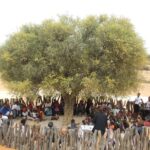
For centuries, griots have served as living libraries. Through songs, poetry, and storytelling, they preserve the histories of families, kingdoms, and entire communities.
In societies where written records were once rare, griots ensured that important events, ancestral lineages, and cultural values would never be forgotten.
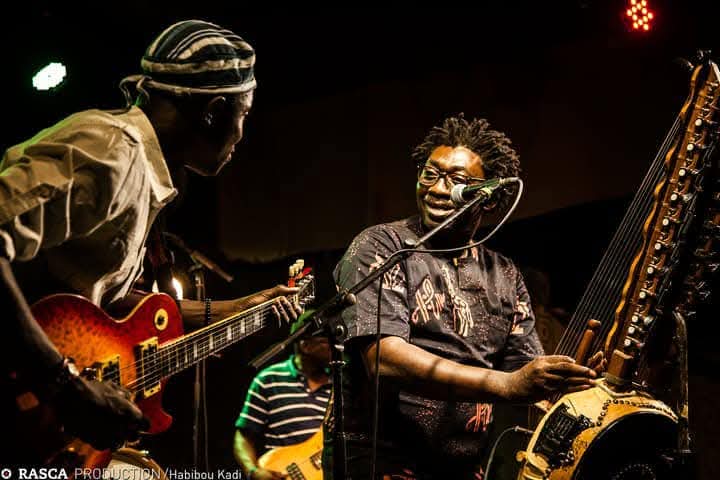
Their performances often combine music, wisdom, humor, and historical knowledge. A skilled griot can recount generations of family history while entertaining audiences with powerful narratives and traditional songs.
Even today, many communities continue to consult griots during ceremonies, celebrations, and important family events.
Ouagadougou: The Cultural Capital of Burkina Faso
The capital city, Ouagadougou, is widely regarded as one of Africa’s most important cultural centers.
Known simply as “Ouaga” by locals, the city hosts major festivals that attract artists, filmmakers, musicians, and performers from across the continent.
Perhaps the most famous is FESPACO, Africa’s largest film festival, which has helped establish Burkina Faso as a leading force in African cinema.
The city is also home to museums, cultural institutions, music venues, and artisan markets that showcase the country’s creative spirit.
Visitors quickly discover that culture is not confined to special events—it is woven into the daily rhythm of life.
The Traditional Festivals That Bring Communities Together
Throughout Burkina Faso, festivals serve as important expressions of identity and belonging.
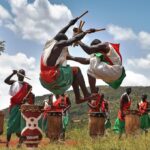
These celebrations often feature colorful costumes, traditional masks, energetic dances, and powerful drum performances. Many festivals honor ancestors, celebrate harvests, or mark important moments in community life.
Mask traditions are particularly significant among several ethnic groups. During ceremonies, masks symbolize spiritual forces, ancestral connections, and cultural teachings passed down through generations.
For participants, these events are not merely performances. They are living traditions that reinforce shared values and strengthen community ties.
The Diverse Peoples Who Shape Burkina Faso
Burkina Faso is home to more than sixty ethnic groups, each contributing unique traditions, languages, and customs.
The Mossi people form the largest ethnic community and have historically played a central role in the country’s political and cultural development. Their traditional kingdoms continue to hold cultural significance today.
Other communities, including the Bobo, Fulani, Gurunsi, and Lobi peoples, contribute to the nation’s remarkable diversity.
This cultural richness is reflected in everything from architecture and clothing to music and spiritual practices.
What Traditional Food Reveals About Burkinabé Life
Food provides valuable insight into the country’s culture and way of life.
Staples such as millet, sorghum, maize, and rice form the basis of many meals. One of the most popular dishes is tô, a thick porridge typically served with flavorful sauces made from vegetables, meat, or fish.
Meals are often shared among family members and neighbors, reflecting the importance of community and hospitality.
Markets bustle with activity as vendors sell fresh produce, spices, and locally prepared foods that connect people to both tradition and daily life.
Artisans Keeping Ancient Skills Alive
Burkina Faso has long been known for its talented artisans.
Across the country, craftspeople create intricate textiles, leather goods, bronze sculptures, pottery, and wood carvings using techniques passed down through generations.
These traditional crafts are more than economic activities. They represent cultural knowledge, artistic expression, and a connection to ancestral heritage.
Many visitors leave Burkina Faso with handcrafted items that tell stories of local identity and craftsmanship.
How Modern Burkina Faso Balances Heritage and Change
Like many African nations, Burkina Faso is navigating the challenges and opportunities of the twenty-first century.
Urbanization, technology, and globalization are transforming how people live and work. Young entrepreneurs, artists, and innovators are helping shape the country’s future while remaining connected to their cultural roots.
Social media and digital platforms have even provided new ways for storytellers, musicians, and cultural leaders to share traditions with younger generations.
Rather than replacing tradition, modern tools are often helping preserve and promote it.
Why Burkina Faso’s Cultural Legacy Matters
In a rapidly changing world, Burkina Faso offers an important reminder of the value of memory, identity, and community.
Its griots continue to preserve stories that might otherwise disappear. Its festivals keep ancient traditions alive. Its artists transform heritage into creative expression. And its people demonstrate how culture can remain a source of strength even during difficult times.
For travelers seeking to understand the soul of West Africa, Burkina Faso provides a journey into one of the continent’s richest cultural landscapes.
It is a country where history is sung rather than written, where traditions remain alive in everyday life, and where the voices of the past continue to guide the future.
Email Us on editorial@nnafrica.com