

In a world where many countries continue to struggle with political division and social fragmentation, Botswana stands out as one of Africa’s greatest success stories. Known for its vast wilderness, thriving wildlife, and economic stability, the country has earned international respect for achievements that extend far beyond tourism.
Yet the secret behind Botswana’s remarkable journey may not be found in its diamond mines or national parks. Instead, it lies in an ancient tradition known as the kgotla—a community gathering system that has shaped the country’s culture, governance, and identity for generations.
From bustling cities to remote villages, Botswana remains a nation where dialogue, respect, and community participation continue to play an important role in everyday life.
Why Botswana Is Often Called Africa’s Quiet Success Story
Unlike many nations that frequently dominate international headlines, Botswana has achieved much of its success quietly.
Since gaining independence in 1966, the country has transformed itself from one of the world’s poorest nations into one of Africa’s most stable economies. Strong institutions, responsible governance, and a commitment to education have helped Botswana become a model for development across the continent.
But behind these modern achievements lies a cultural foundation built on cooperation and consensus—values that have deep roots in Botswana’s traditional way of life.
The Kgotla: Where Every Voice Matters
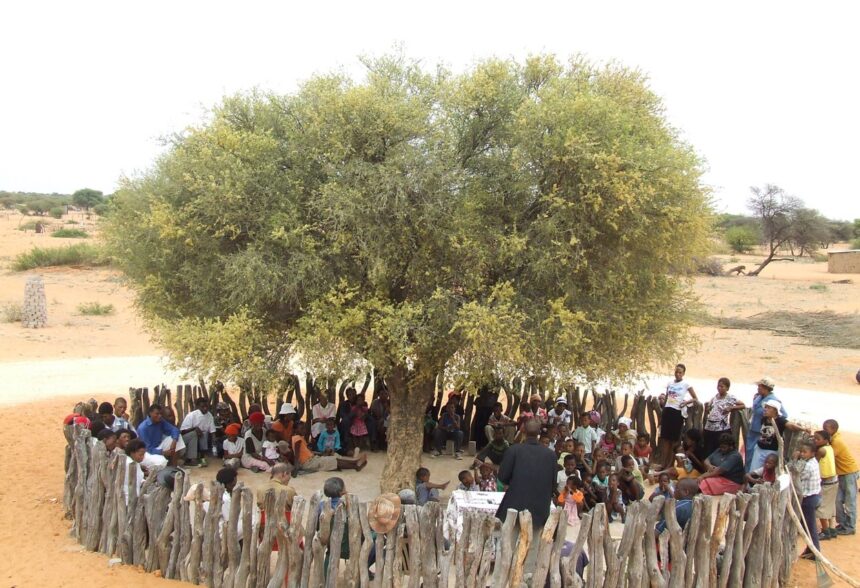
At the heart of Botswana’s cultural identity is the kgotla, a traditional public forum where community members gather to discuss issues, resolve disputes, and make collective decisions.
For centuries, the kgotla has served as a place where leaders and citizens meet face-to-face. The principle is simple: every adult has the right to speak and be heard.
This tradition encourages open dialogue, accountability, and community involvement. While modern government institutions now play a major role in national administration, the spirit of the kgotla remains visible throughout Botswana.
Many observers believe that this culture of consultation has contributed significantly to the country’s political stability and social cohesion.
The Okavango Delta: Nature’s Masterpiece in the Desert
While Botswana’s traditions are fascinating, its natural beauty is equally extraordinary.
The Okavango Delta is one of the world’s largest inland deltas and one of Africa’s most spectacular ecosystems. Unlike most rivers that flow into the sea, the Okavango spreads across the Kalahari Desert, creating a vast oasis teeming with wildlife.
Elephants, lions, leopards, hippos, and countless bird species thrive in this unique environment.
For travelers, exploring the delta by traditional mokoro canoe offers an unforgettable experience. Gliding silently through narrow waterways provides a rare opportunity to connect with nature in one of the planet’s most pristine wilderness areas.
The Culture of the Batswana People
The majority of Botswana’s population belongs to the Tswana ethnic groups, collectively known as the Batswana.
Their traditions emphasize respect, family, community responsibility, and mutual support. Elders are highly respected, and social harmony remains an important value in many communities.
Traditional ceremonies continue to mark important milestones such as births, marriages, and harvests. These events often feature music, dance, storytelling, and communal celebrations that strengthen social bonds.
Despite rapid modernization, many cultural customs remain an important part of daily life across the country.
What Traditional Botswana Cuisine Reveals About Local Life
Food in Botswana reflects both the country’s environment and its cultural values.
One of the most popular traditional dishes is seswaa, a slow-cooked meat dish often served during celebrations and special gatherings. Sorghum and maize are staple ingredients, while local vegetables and dairy products feature prominently in many meals.
Sharing food is considered an important expression of hospitality. Visitors frequently discover that meals provide an opportunity to learn about local customs, family life, and community relationships.
In Botswana, food is not simply nourishment—it is a way of bringing people together.
The Role of Cattle in Botswana’s Identity
For generations, cattle have held a special place in Botswana’s economy and culture.
Historically, livestock represented wealth, social status, and security. Even today, cattle ownership remains an important source of pride in many communities.
Traditional ceremonies often involve cattle, and many cultural practices are connected to livestock farming. While Botswana has diversified its economy significantly, the relationship between people and cattle continues to influence national identity.
Understanding this connection helps explain many aspects of Botswana’s history and social structure.
How Modern Botswana Balances Heritage and Innovation
Botswana’s cities reflect a nation that is embracing the future while honoring its past.
The capital, Gaborone, has become a growing center for business, education, and technology. Young entrepreneurs are creating new opportunities in industries ranging from finance to digital innovation.
At the same time, traditional values remain visible in community life, leadership structures, and cultural celebrations.
This balance between modern progress and cultural preservation has helped Botswana maintain a strong sense of identity in a rapidly changing world.
Why Botswana Offers More Than Wildlife Safaris
International visitors often associate Botswana with luxury safaris and spectacular wildlife encounters. While these attractions are undoubtedly impressive, they tell only part of the story.
Botswana is also a nation shaped by centuries of tradition, community cooperation, and cultural resilience. Its success demonstrates how indigenous values can remain relevant in the modern era.
Whether attending a local gathering, exploring the Okavango Delta, learning about Tswana customs, or sharing a meal with local families, visitors quickly discover a country whose greatest strength lies in its people.
Botswana’s story is not simply about economic growth or natural beauty. It is about a culture that has turned dialogue, respect, and community participation into the foundation of national success.
In many ways, Botswana offers an important lesson for the world: progress is strongest when it is built upon the wisdom of tradition.
Email Us on editorial@nnafrica.com