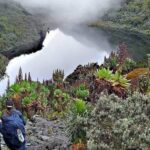


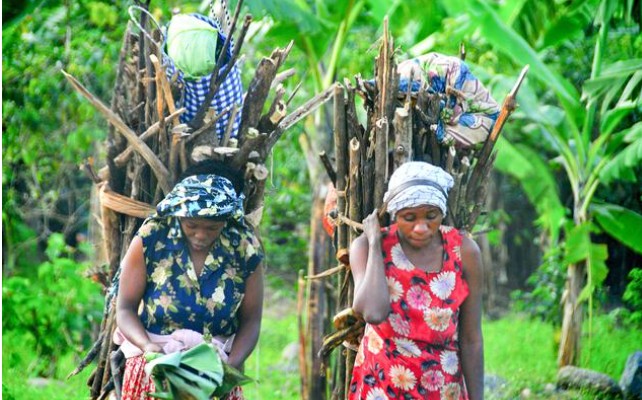
Towering above western Uganda, the Rwenzori Mountains—often called the “Mountains of the Moon”—have shaped the lives of the Bakonzo for centuries. Living among mist-covered peaks, rushing rivers, and fertile valleys, the Bakonzo have developed a culture defined by resilience, hard work, and a deep respect for nature.
Known for their mountain farming, vibrant dances, and strong sense of community, the Bakonzo have preserved a unique identity while embracing education, tourism, and modern development.
Their story is one of determination, cultural pride, and an enduring connection to one of Africa’s most spectacular landscapes.
Who Are the Bakonzo?
The Bakonzo are a Bantu-speaking people indigenous to the Rwenzori region of western Uganda.
They are primarily found in Kasese and Bundibugyo districts, with smaller communities in Ntoroko and neighboring areas. Closely related communities also live across the border in the Democratic Republic of the Congo.
The Bakonzo are one of Uganda’s recognized indigenous communities and are celebrated for their rich traditions and strong attachment to the Rwenzori Mountains.
Origins and History
The Bakonzo have lived in the Rwenzori region for centuries, developing a way of life adapted to the rugged mountain environment.
Historically, they organized themselves through clans led by respected elders rather than centralized kingdoms. During the twentieth century, demands for greater cultural recognition led to the Rwenzururu movement, which eventually resulted in official recognition of their cultural institution.
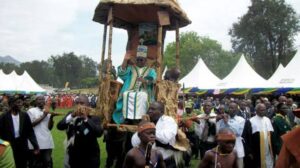
Today, the Obusinga Bwa Rwenzururu serves as the recognized cultural kingdom of the Bakonzo and the closely related Bamba people.
The Obusinga Bwa Rwenzururu
The cultural leader of the Bakonzo is known as the Omusinga.
The Obusinga Bwa Rwenzururu promotes:
- Cultural preservation
- Education
- Youth empowerment
- Peacebuilding
- Community development
The kingdom plays an important role in preserving Bakonzo traditions, language, and history while encouraging unity among communities in the Rwenzori region.
Clans and Family Life
Clan identity remains central to Bakonzo society.
Clans help guide:
- Marriage customs
- Family relationships
- Cultural ceremonies
- Conflict resolution
- Preservation of oral history
Respect for elders is a defining cultural value, with older generations entrusted to pass on knowledge, customs, and community traditions.
Language
The Bakonzo speak Lukonzo, a Bantu language spoken widely throughout the Rwenzori region.
Lukonzo contains a rich heritage of folktales, songs, riddles, and proverbs that teach moral values and preserve the community’s history.
The language continues to flourish through schools, local media, churches, and cultural programs.
Living with the Mountains
Life in the Rwenzori Mountains has shaped Bakonzo culture for generations.
Families have traditionally farmed steep mountain slopes using terracing techniques that reduce soil erosion and maximize the fertile volcanic soils.
The mountains provide:
- Fresh water
- Fertile farmland
- Medicinal plants
- Timber
- Tourism opportunities
For many Bakonzo, the Rwenzori Mountains are more than a landscape—they are part of their identity.
Food and Cuisine
The cool mountain climate supports a wide variety of crops.
Traditional foods include:
- Matooke
- Cassava
- Sweet potatoes
- Millet
- Beans
- Maize
- Yams
- Groundnut sauce
- Beef
- Goat meat
Bananas and coffee are important cash crops, while family gardens provide fresh vegetables throughout the year.
Traditional Dress
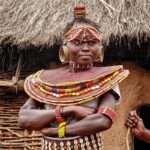
Modern clothing is common among the Bakonzo today.
However, traditional attire and cultural ornaments continue to be worn during:
- Weddings
- Cultural festivals
- Kingdom ceremonies
- Community celebrations
Colorful garments, beadwork, and traditional accessories symbolize pride in Bakonzo heritage.
Music and Dance
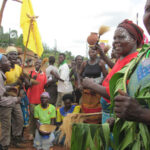
Music is one of the most vibrant expressions of Bakonzo culture.
Traditional dances feature:
- Energetic footwork
- Rhythmic drumming
- Singing
- Community participation
Music accompanies:
- Weddings
- Harvest festivals
- Kingdom celebrations
- Birth ceremonies
- Cultural gatherings
Songs preserve history and celebrate bravery, family, and life in the mountains.
Marriage Customs
Marriage is regarded as an important union between families.
Traditional ceremonies include:
- Family introductions
- Bridewealth negotiations
- Blessings from elders
- Community feasts
- Traditional music and dance
Marriage strengthens relationships between clans and reinforces community unity.
Spiritual Beliefs
Historically, the Bakonzo believed in a supreme creator and respected sacred places within the Rwenzori Mountains.
Today, Christianity is the dominant religion, although many traditional cultural practices continue to be observed during ceremonies and family events.
Economic Activities
The Bakonzo economy has diversified significantly in recent decades.
Major activities include:
- Coffee farming
- Banana cultivation
- Cocoa farming
- Livestock keeping
- Tourism
- Trade
- Education
- Public service
- Small businesses
Tourism associated with Rwenzori Mountains National Park provides employment opportunities for guides, porters, hotel operators, and local artisans.
Preserving Bakonzo Heritage
The Obusinga Bwa Rwenzururu, together with community organizations, promotes the preservation of Lukonzo, traditional dances, oral literature, and cultural ceremonies.
Festivals, museums, and educational programs encourage younger generations to value their heritage while embracing new opportunities.
Did You Know?
- The Bakonzo are among the principal communities living on the slopes of the Rwenzori Mountains.
- The Obusinga Bwa Rwenzururu is recognized as one of Uganda’s traditional cultural institutions.
- The Rwenzori Mountains are a UNESCO World Heritage Site renowned for their glaciers, unique vegetation, and biodiversity.
- Coffee and cocoa are among the region’s most important cash crops.
- The Bakonzo are known for their resilience in adapting to life in one of Uganda’s most mountainous regions.
Quick Facts
| Feature | Information |
|---|---|
| Region | Rwenzori Region, Western Uganda |
| Cultural Institution | Obusinga Bwa Rwenzururu |
| Traditional Leader | Omusinga |
| Language | Lukonzo |
| Main Economic Activities | Farming, tourism, trade |
| Famous Landmark | Rwenzori Mountains |
Conclusion
The Bakonzo have built a remarkable culture in one of Africa’s most dramatic landscapes. Their traditions, language, music, and mountain farming practices reflect centuries of resilience and adaptation to life beneath the majestic Rwenzori Mountains.
As Uganda continues to celebrate its cultural diversity, the Bakonzo remain proud guardians of a heritage rooted in community, perseverance, and respect for nature. Their enduring legacy enriches the nation’s identity and ensures that the spirit of the Rwenzori Mountains will continue to inspire generations to come.
Email Us on editorial@nnafrica.com