

Morocco’s Amazigh communities welcomed Yennayer 2976 on 12 January 2026, marking the Amazigh New Year with feasts, music, and rituals that connect ancient Berber heritage to modern city life.
In Rabat and Casablanca, cultural centers hosted public concerts featuring ahidous dance troupes and guembri players. Marrakech’s Jemaa el-Fnaa square saw Amazigh artisans selling traditional pottery, silver jewelry, and handwoven carpets dyed with natural pigments.
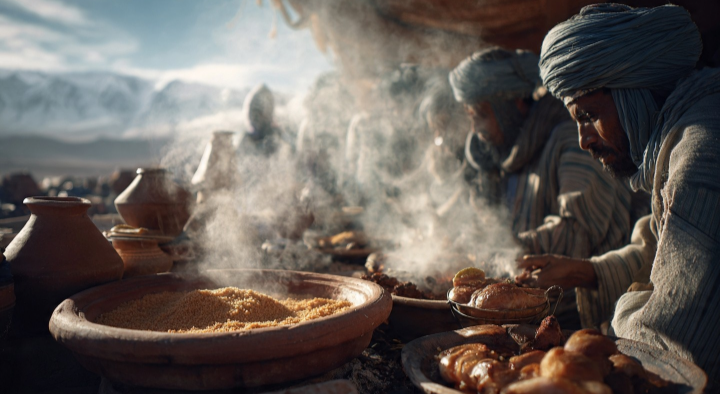
The heart of Yennayer remains in rural Atlas villages. Families gathered at sunrise to prepare couscous with seven vegetables and lamb — a dish symbolizing abundance for the coming year. Elders recited oral poetry in Tamazight, passing stories to children while sharing dates, nuts, and olive oil pressed from last season’s harvest.
“Yennayer is not just a date on the calendar,” said Fatima Ait Hammou, a cultural activist in Agadir. “It’s how we remind the younger generation who we are. Speaking Tamazight at the table, wearing dirac dress, telling our grandparents’ stories.”
Since 2011, when Morocco recognized Tamazight as an official language, Yennayer has grown from village celebrations into a national cultural event. Schools in Souss-Massa and Drâa-Tafilalet regions now teach students about Amazigh symbols like yaz and agricultural cycles tied to the Julian calendar.
Tourism boards reported increased interest from European and North American travelers seeking authentic cultural experiences. Several eco-lodges in the High Atlas offered Yennayer packages: overnight stays in traditional homes, cooking classes, and guided hikes to pre-Islamic rock art sites.
But for many Amazigh families, the day stayed intimate. In Tiznit province, households sacrificed a chicken or goat and shared the meal with neighbors regardless of ethnicity. The tradition of burying a pot of couscous in the field for good soil fertility continued in farming communities.
Social media buzzed with #Yennayer2976 posts showing modern takes on traditional dress — dirac robes with contemporary cuts, jewelry mixing silver and acrylic. Young creators used TikTok to explain Amazigh calendar differences: 2976 marks years since King Shoshenq’s ascension in ancient Egypt, according to Amazigh historians.
As night fell, drumming circles formed in mountain villages and urban cultural spaces alike. The message was consistent: Yennayer celebrates survival, identity, and renewal.
For Morocco, 2976 is a reminder that ancient traditions still shape modern identity, from parliament debates in Tamazight to pop songs sampling traditional melodies. [590 words]
Email Us on editorial@nnafrica.com