


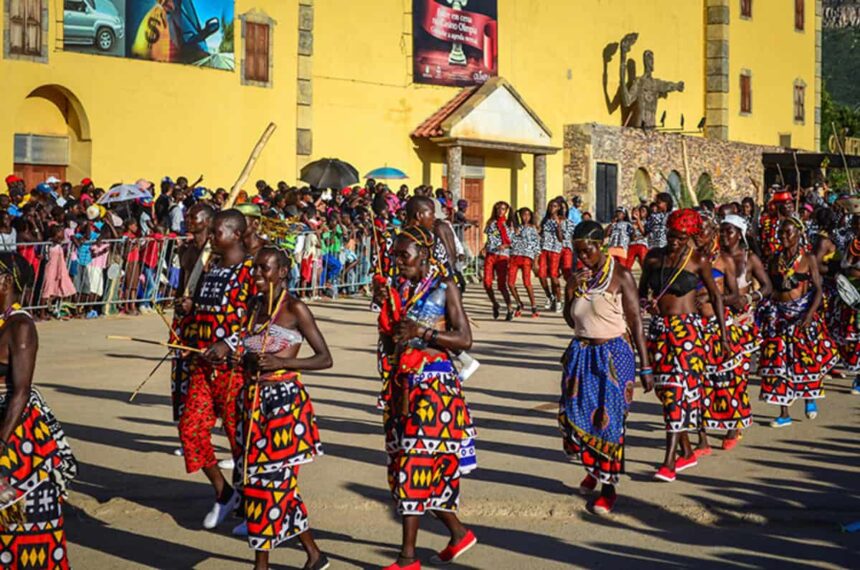
For decades, Angola remained one of Africa’s least-explored countries. Today, however, the nation is quietly emerging as one of the continent’s most intriguing destinations. Blessed with a stunning Atlantic coastline, dramatic waterfalls, vibrant cities, and rich cultural traditions, Angola offers travelers a side of Africa that few have experienced.
From the bustling streets of Luanda to the spectacular landscapes of the interior, Angola is a country of resilience, beauty, and transformation. It is a place where ancient traditions coexist with modern ambitions, creating a fascinating destination for visitors seeking authenticity and adventure.
Why Angola Is One of Africa’s Most Underrated Travel Destinations
When people think about African tourism, countries such as Kenya, South Africa, or Morocco often come to mind first. Yet Angola possesses many of the same qualities that attract millions of visitors elsewhere.
The country boasts over 1,600 kilometers of Atlantic coastline, diverse wildlife, dramatic mountains, and some of Africa’s most impressive natural wonders. What makes Angola unique is that much of its beauty remains relatively untouched by mass tourism.
For travelers looking to discover a destination before it becomes mainstream, Angola offers a rare opportunity.
Luanda: The Vibrant Capital Rewriting Its Future
Every journey through Angola begins in Luanda, one of Africa’s largest and most dynamic cities.
Located along the Atlantic Ocean, Luanda is a city of contrasts. Modern skyscrapers rise beside colonial-era buildings, while luxury developments share space with lively markets and historic neighborhoods.
The city’s waterfront promenade, known as the Marginal, offers spectacular ocean views and serves as a gathering place for residents and visitors alike. As the sun sets over the Atlantic, the city reveals its energetic spirit through music, restaurants, and nightlife.
Luanda is also the cultural heartbeat of Angola, showcasing the creativity and determination of a nation looking confidently toward the future.
The Hidden Natural Wonders Most Tourists Never See
Beyond the capital lies a landscape filled with surprises.
One of Angola’s most breathtaking attractions is Kalandula Falls, among the largest waterfalls in Africa. During the rainy season, enormous volumes of water plunge over wide cliffs, creating a spectacle that rivals many of the world’s famous falls.
Further south, the Tundavala Gap offers dramatic views across vast valleys and escarpments. Standing at the edge of the cliffs, visitors can witness some of the most spectacular panoramas on the continent.
Angola’s varied geography also includes mountains, forests, rivers, deserts, and coastal ecosystems, making it one of Africa’s most geographically diverse countries.
The Rich Cultural Heritage That Defines Angola
Angola’s culture reflects centuries of history, migration, and adaptation.
The country is home to numerous ethnic communities, each contributing unique languages, traditions, music, and artistic expressions. These diverse influences have shaped a national identity that remains deeply rooted in community and family values.
Traditional ceremonies continue to play an important role in many regions. Storytelling, dance, and oral history remain powerful ways of preserving cultural knowledge and passing it between generations.
Visitors often discover that Angola’s greatest attraction is not a landmark or landscape but the warmth and hospitality of its people.
How Music Became Angola’s Global Cultural Ambassador
Music occupies a special place in Angolan society.
The country is the birthplace of several influential African musical styles, including semba, a rhythm that many historians consider one of the cultural ancestors of Brazilian samba.
Across Angola, music serves as both entertainment and cultural expression. Whether heard in city neighborhoods, village celebrations, or major festivals, it reflects the country’s resilience and creativity.
Today, Angolan musicians continue to gain international recognition, helping introduce global audiences to the country’s rich artistic heritage.
What Traditional Angolan Food Tells Us About Daily Life
Food in Angola reflects the country’s diverse landscapes and cultural influences.
Staples such as funge, made from cassava or maize flour, form the foundation of many meals. Fish and seafood are popular along the coast, while inland communities often enjoy dishes featuring meat, vegetables, and local spices.
Meals are frequently shared among family members and guests, highlighting the importance of togetherness in Angolan culture.
For visitors, dining becomes more than a culinary experience—it offers insight into the values and traditions that shape everyday life.
Angola’s Tourism Potential Is Finally Being Recognized
As infrastructure improves and international interest grows, Angola is attracting increasing attention from travelers, investors, and tourism experts.
The country’s combination of natural beauty, cultural richness, and relative exclusivity gives it significant potential as a future tourism destination.
Unlike heavily visited locations, Angola still offers a sense of discovery. Travelers can explore remarkable landscapes and authentic communities without the crowds often found elsewhere.
Why Angola Could Be Africa’s Next Great Travel Story
Angola’s story is one of renewal and possibility.
Its dramatic scenery, fascinating history, vibrant culture, and welcoming people create an experience that is both memorable and deeply rewarding. Whether exploring waterfalls, enjoying coastal sunsets, discovering traditional music, or meeting local communities, visitors quickly realize that Angola offers something increasingly rare in modern travel: authenticity.
As more people seek meaningful travel experiences, Angola stands ready to emerge from the shadows and claim its place among Africa’s most compelling destinations.
For those willing to look beyond the usual travel guides, Angola may prove to be one of the continent’s greatest discoveries.
Email Us on editorial@nnafrica.com