

Nestled beneath the snow-capped peaks of the Rwenzori Mountains lies the historic homeland of the Batoro, a people renowned for their rich royal heritage, warm hospitality, and enduring cultural traditions. For centuries, the Tooro Kingdom has stood as a symbol of unity and pride, preserving customs that continue to inspire generations.
The Batoro have built a society where respect for family, education, leadership, and community remains at the heart of everyday life. Their fertile homeland, blessed with rivers, forests, and rich farmland, has supported thriving communities whose influence extends far beyond western Uganda.
Today, the Batoro continue to celebrate a heritage that combines ancient traditions with the opportunities of the modern world.
Who Are the Batoro?
The Batoro are a Bantu-speaking people indigenous to the Tooro sub-region of western Uganda.
Their homeland includes the districts of Kabarole, Kyenjojo, Kyegegwa, Kamwenge, Bunyangabu, Kitagwenda, and parts of Ntoroko and Kasese.
Although many Batoro now live throughout Uganda and abroad, the Tooro Kingdom remains the cultural heart of the community.
The Origins of the Tooro Kingdom
The Tooro Kingdom traces its origins to the early nineteenth century.
It was founded when Prince Kaboyo Kasunsunkwanzi, a son of the Omukama of Bunyoro, established an independent kingdom after breaking away from Bunyoro.
Over time, Tooro developed into one of Uganda’s most respected traditional kingdoms, known for its stable leadership, vibrant culture, and close relationship with neighboring communities.
Today, the kingdom continues to serve as an important cultural institution.
The Omukama: A Symbol of Unity
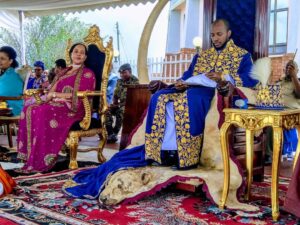
The cultural leader of the Batoro is known as the Omukama.
The Omukama represents the unity, traditions, and heritage of the Tooro Kingdom. While the kingdom no longer exercises political authority, it continues to promote cultural preservation, education, health initiatives, environmental conservation, and youth development.
The royal family remains highly respected by the people of Tooro.
Clans and Family Life
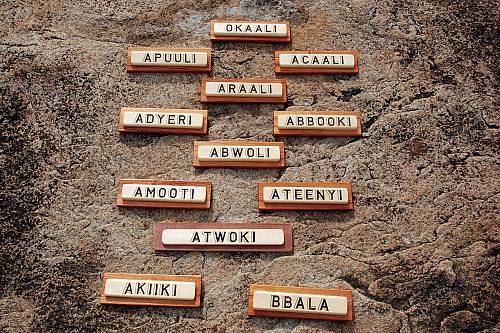
Like many Bantu communities, the Batoro are organized into clans.
Each clan has its own history, customs, and responsibilities.
Clans help preserve:
- Family identity
- Marriage traditions
- Cultural ceremonies
- Conflict resolution
- Oral history
Respect for elders is deeply valued, with grandparents often playing a central role in teaching children about customs and traditions.
Language
The Batoro speak Rutooro, a Bantu language closely related to Runyoro.
Rutooro is known for its rich collection of proverbs, songs, folktales, and poetry that preserve the history and wisdom of the community.
The language is widely spoken throughout the Tooro region and continues to thrive through education, literature, and local media.
Traditional Homes
Historically, Batoro homes were constructed using poles, mud, reeds, and grass thatch.
Family compounds often included separate structures for cooking, storage, and livestock.
Although modern housing has become widespread, many rural communities continue to preserve aspects of traditional architecture.
Food and Cuisine
The fertile lands of Tooro produce a wide variety of crops.
Popular traditional foods include:
- Matooke
- Millet bread
- Sweet potatoes
- Cassava
- Beans
- Groundnut sauce
- Beef
- Goat meat
- Fresh milk
- Green vegetables
Meals are often shared with family and visitors, reflecting the Batoro tradition of generosity and hospitality.
Traditional Dress
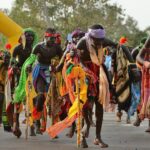
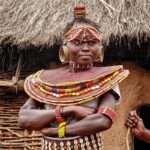
Traditional attire remains an important part of weddings, royal ceremonies, and cultural festivals.
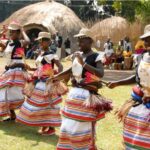
Women wear elegant dresses, often complemented with colorful headscarves and jewelry, while men traditionally wear the kanzu during formal occasions.
Royal ceremonies also feature distinctive cultural regalia that symbolize the history and dignity of the Tooro Kingdom.
Music and Dance
Music is an important expression of Batoro culture.
Traditional performances celebrate:
- Royal ceremonies
- Weddings
- Harvest festivals
- Community gatherings
- Birth celebrations
Drums, flutes, lyres, and traditional string instruments accompany songs that praise heroes, celebrate family life, and preserve history.
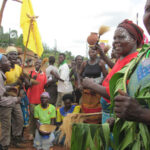
Dance performances are graceful, energetic, and often involve the participation of the entire community.
Marriage Customs
Marriage is regarded as a sacred union between two families.
Traditional ceremonies include:
- Family introductions
- Bridewealth discussions
- Blessings from elders
- Community feasts
- Music and dance
Marriage customs emphasize mutual respect, cooperation, and the strengthening of family bonds.
Spiritual Beliefs
Historically, the Batoro believed in Ruhanga, the supreme creator, and respected ancestral spirits.
Today, Christianity is the dominant religion, while some traditional customs continue to influence cultural ceremonies and community life.
Economic Activities
The Batoro participate in a wide range of economic activities, including:
- Crop farming
- Dairy farming
- Tea cultivation
- Coffee growing
- Tourism
- Trade
- Education
- Public service
- Small businesses
Tourism plays an increasingly important role, with visitors drawn to the Rwenzori Mountains, crater lakes, national parks, and the rich history of the Tooro Kingdom.
Preserving Batoro Heritage
The Tooro Kingdom continues to work with community leaders, educators, and cultural organizations to preserve the Rutooro language, traditional music, dances, royal history, and cultural values.
Festivals, museums, and educational programs help ensure that younger generations remain connected to their heritage while embracing modern opportunities.
Did You Know?
- The Tooro Kingdom was founded in the 19th century after separating from Bunyoro.
- Rutooro and Runyoro are so closely related that speakers often understand each other with ease.
- The Rwenzori Mountains, often called the “Mountains of the Moon,” form part of the Batoro homeland.
- Tooro is famous for its beautiful crater lakes and lush landscapes.
- The Tooro Kingdom remains one of Uganda’s most respected cultural institutions.
Quick Facts
| Feature | Information |
|---|---|
| Region | Western Uganda |
| Kingdom | Tooro Kingdom |
| Traditional Leader | Omukama |
| Language | Rutooro |
| Main Economic Activities | Farming, tourism, trade |
| Famous Landmark | Rwenzori Mountains |
Conclusion
The Batoro are a people whose identity is deeply rooted in royal tradition, family values, and a profound connection to the fertile lands beneath the Rwenzori Mountains. Their kingdom, language, music, and customs continue to enrich Uganda’s cultural heritage and inspire pride among generations.
As the Tooro Kingdom preserves its traditions while embracing progress, the Batoro demonstrate that cultural heritage is not simply a memory of the past—it is a living legacy that continues to shape the future of western Uganda.
Email Us on editorial@nnafrica.com