

Across the fertile plains of eastern Uganda lies Teso, a region known for its hardworking people, rich cultural traditions, and remarkable resilience. Home to the Iteso—one of Uganda’s largest ethnic communities—this region has long been celebrated for its agricultural abundance, vibrant music, and strong sense of community.
For generations, the Iteso have preserved a culture rooted in family, respect for elders, and collective responsibility. While embracing education, technology, and economic development, they continue to cherish the customs that define their identity.
Their story is one of perseverance, innovation, and pride, making the Iteso an essential part of Uganda’s cultural landscape.
Who Are the Iteso?
The Iteso are a Nilotic-speaking people indigenous to the Teso sub-region of eastern Uganda. They are among the country’s largest ethnic groups and are also found across the border in western Kenya, where they are known as the Teso of Kenya.
In Uganda, the Iteso primarily inhabit:
- Soroti
- Kumi
- Ngora
- Katakwi
- Amuria
- Kaberamaido
- Bukedea
- Serere
- Kalaki
Today, many Iteso also live in Kampala and other urban centers, contributing to Uganda’s economy, education, politics, and business.
Origins and History
The Iteso are believed to have migrated southwards from areas north of present-day Uganda several centuries ago as part of the wider Eastern Nilotic migrations.
After settling in the fertile plains of Teso, they developed a society centered on crop cultivation, livestock keeping, and trade. Their location made them active participants in regional trade networks with neighboring communities, including the Bagisu, Basoga, Kumam, and Karamojong.
Unlike centralized kingdoms, traditional Iteso society was organized around clans led by respected elders, whose leadership emphasized consultation, consensus, and community responsibility.
Clans and Social Organization
The Iteso have a strong clan system that remains central to their identity.
Clans help regulate:
- Family relationships
- Marriage customs
- Inheritance
- Conflict resolution
- Cultural ceremonies
Respect for elders is a cornerstone of Iteso culture, with older community members serving as custodians of oral history, customs, and traditional wisdom.
Language
The Iteso speak Ateso, an Eastern Nilotic language closely related to Turkana and Karimojong.
Ateso is widely spoken throughout the Teso region and is used in schools, churches, radio broadcasts, literature, and cultural events.
The language is rich in proverbs, riddles, songs, and folktales that preserve the values and history of the Iteso people.
Traditional Homes
Traditionally, Iteso families lived in circular huts built from mud, wooden poles, and grass thatch.
Homesteads were often surrounded by granaries for storing grain and enclosed areas for livestock.
Although modern housing has become common, traditional compounds remain part of rural life in many communities.
Food and Cuisine
Agriculture has always been the foundation of Iteso life.
Popular traditional foods include:
- Millet bread (atap)
- Millet porridge
- Cassava
- Sweet potatoes
- Sorghum
- Groundnut sauce
- Cowpeas
- Beans
- Simsim (sesame)
- Beef and goat meat
- Fresh milk
Millet remains one of the most culturally significant crops and is featured in many traditional ceremonies.
Traditional Dress
Today, most Iteso wear modern clothing in their daily lives.
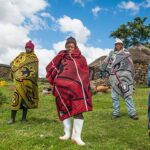
During weddings, cultural festivals, and traditional ceremonies, people wear colorful attire complemented by beads, bracelets, necklaces, and other handcrafted ornaments that reflect their cultural heritage.
Music and Dance
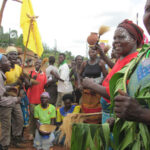
Music and dance are among the most vibrant aspects of Iteso culture.
Traditional performances feature energetic drumming, singing, and dancing during:
- Weddings
- Harvest celebrations
- Naming ceremonies
- Community festivals
- Cultural gatherings
Songs celebrate bravery, love, unity, farming, and important historical events.
Traditional instruments include drums, rattles, and stringed instruments that accompany lively dances.
Marriage and Family Life
Marriage among the Iteso is regarded as the union of two families rather than simply two individuals.
Traditional marriage ceremonies involve:
- Family introductions
- Bridewealth negotiations
- Blessings from elders
- Music and dancing
- Community feasts
Bridewealth is traditionally paid in cattle or other agreed gifts, symbolizing appreciation and commitment between families.
Spiritual Beliefs
Historically, the Iteso believed in a supreme creator and respected ancestral traditions.
Today, Christianity is the dominant religion throughout Teso, with Catholic, Anglican, Pentecostal, and other Christian denominations playing significant roles in community life. Islam is also practiced by a minority of the population.
Traditional values of respect, honesty, and community responsibility continue to influence everyday life.
Economic Activities
The Iteso are among Uganda’s most productive farming communities.
Major economic activities include:
- Millet cultivation
- Cassava farming
- Sorghum production
- Cotton growing
- Sunflower farming
- Livestock keeping
- Fishing (especially around Lake Kyoga)
- Trade
- Education
- Public service
- Small businesses
Agriculture remains the backbone of the regional economy, with increasing investment in commercial farming and agribusiness.
Famous Sons and Daughters
The Iteso have produced many distinguished Ugandans in politics, public service, academia, sports, and business.
Some notable figures include:
- John Aberi – respected educator and former Minister of Education.
- Prof. Patrick Okedit – renowned academic and public administrator.
- Moses Ali – veteran politician and long-serving government minister with roots in the Teso region.
- Numerous educators, medical professionals, military officers, entrepreneurs, and religious leaders have also contributed to Uganda’s national development.
Preserving Iteso Heritage
The Iteso Cultural Union plays an important role in promoting Ateso language, traditional music, dance, folklore, and cultural education.
Annual cultural festivals, school programs, and community initiatives encourage younger generations to value their heritage while embracing modern opportunities.
These efforts help preserve one of Uganda’s richest cultural traditions.
Did You Know?
- The Iteso are among Uganda’s five largest ethnic communities.
- Ateso is spoken in both Uganda and Kenya.
- Millet is one of the most culturally significant crops in Teso.
- Teso is one of Uganda’s leading regions for sunflower production.
- The Iteso are widely known for their hospitality, resilience, and strong commitment to education.
Quick Facts
| Feature | Information |
|---|---|
| Region | Teso, Eastern Uganda |
| Language | Ateso |
| Ethnic Group | Eastern Nilotic |
| Traditional Leadership | Clan elders |
| Main Economic Activities | Agriculture, livestock keeping, fishing, trade |
| Famous Crop | Millet and sunflower |
Conclusion
The Iteso are a proud and resilient people whose heritage reflects centuries of hard work, cooperation, and cultural continuity. From the fertile plains of Teso to thriving communities across Uganda and Kenya, they have made lasting contributions to agriculture, education, public service, and national development.
Their language, music, traditions, and enduring spirit continue to enrich Uganda’s cultural landscape. As new generations embrace innovation while preserving their roots, the Iteso remain a shining example of how tradition and progress can thrive together.
Email Us on editorial@nnafrica.com