

Meta Description:
Discover the Langi people of northern Uganda. Learn about their history, language, traditions, clans, marriage customs, cuisine, music, and the enduring cultural heritage of one of Uganda’s largest Nilotic communities.
The Langi: The Resilient People of the Lango Plains and Keepers of a Proud Nilotic Heritage
In the heart of northern Uganda lies Lango, a vast region of fertile plains, rolling grasslands, and vibrant communities. It is here that the Langi have lived for centuries, building a society founded on agriculture, family unity, and respect for tradition. As one of Uganda’s largest ethnic communities, the Langi have made significant contributions to the country’s political, educational, cultural, and economic development.
Known for their hospitality, rich oral traditions, and hardworking spirit, the Langi have preserved a distinctive cultural identity while embracing modernization. Their heritage reflects resilience, cooperation, and an enduring commitment to community values.
Today, the Langi remain an important pillar of Uganda’s cultural diversity and national identity.
Who Are the Langi?
The Langi are a Western Nilotic-speaking people indigenous to the Lango sub-region of northern Uganda.
Their homeland includes:
- Lira District
- Dokolo District
- Oyam District
- Kole District
- Alebtong District
- Amolatar District
- Kwania District
- Otuke District
- Apac District
Although closely related to neighboring Acholi and Alur communities through their Luo heritage, the Langi have developed their own language, customs, and cultural traditions.
Many Langi also live in Kampala and other towns across Uganda.
Origins and History
The Langi trace their ancestry to Luo-speaking peoples who migrated into northern Uganda centuries ago.
After settling in the fertile plains of Lango, they established communities centered on farming, livestock keeping, hunting, and trade. Their society developed around autonomous clans led by respected elders rather than a centralized kingdom.
Over time, the Langi maintained peaceful relations with neighboring communities while preserving their own language and cultural identity.
Their history reflects both adaptation and resilience, particularly during periods of political and social change in Uganda.
Traditional Leadership
Unlike kingdoms with hereditary monarchs, the Langi traditionally governed themselves through clan elders and local chiefs.
Leadership emphasized:
- Consensus-building
- Justice
- Conflict resolution
- Community welfare
- Protection of customary land
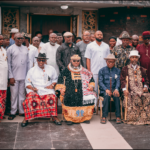
Today, the Lango Cultural Foundation plays an important role in preserving Lango culture, promoting the Leb Lango language, and supporting cultural education.
Clans and Social Organization
The Langi are organized into numerous clans that remain central to community life.
The clan system guides:
- Marriage
- Family identity
- Inheritance
- Land ownership
- Cultural ceremonies
- Conflict resolution
Respect for elders remains one of the defining values of Langi society, with senior members serving as custodians of history and tradition.
Language
The Langi speak Leb Lango (also called Lango), a Western Nilotic language closely related to Acholi and Alur.
Leb Lango is widely spoken in homes, schools, churches, local media, and cultural events.
Its rich oral literature includes:
- Proverbs
- Folktales
- Praise poetry
- Riddles
- Traditional songs
These traditions continue to pass knowledge and moral values from one generation to the next.
Traditional Homes
Traditionally, Langi families lived in circular huts constructed from mud, wooden poles, and grass thatch.
A typical homestead consisted of:
- Family houses
- Granaries
- Livestock enclosures
- Outdoor cooking areas
- Meeting spaces
Although modern housing is increasingly common, traditional homesteads remain part of rural life.
Food and Cuisine
Agriculture has always been central to Langi society.
Popular traditional foods include:
- Millet bread
- Cassava
- Sweet potatoes
- Sorghum
- Maize
- Beans
- Simsim (sesame)
- Groundnut sauce
- Beef
- Goat meat
- Chicken
Meals are traditionally shared with family and guests, reflecting the Langi values of hospitality and generosity.
Traditional Dress
Modern clothing is worn in everyday life.
Traditional attire is still displayed during:
- Weddings
- Cultural festivals
- Community celebrations
- Clan ceremonies
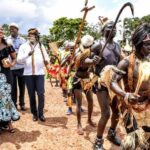
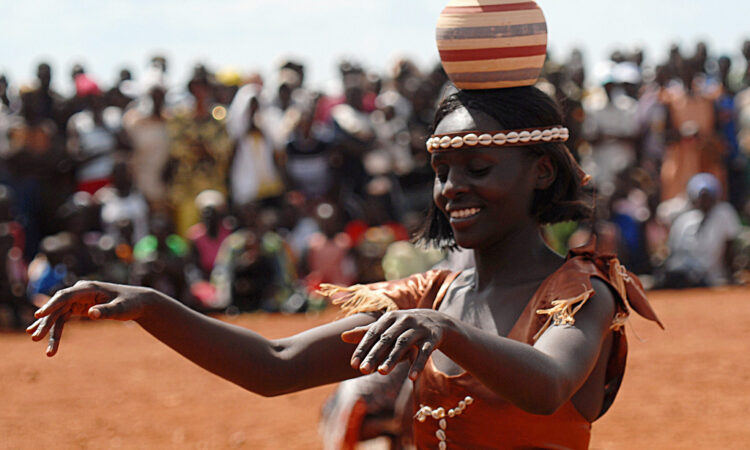
Colorful garments, beadwork, necklaces, bracelets, and ceremonial ornaments remain symbols of cultural pride.
Music and Dance
Music is one of the most celebrated aspects of Langi culture.
Traditional performances include:
- Drumming
- Singing
- Call-and-response songs
- Energetic dances
Music accompanies:
- Weddings
- Harvest festivals
- Naming ceremonies
- Community gatherings
- Cultural celebrations
Songs preserve history, celebrate bravery, honor elders, and strengthen community bonds.
Marriage and Family Life
Marriage is regarded as a union between two families and their respective clans.
Traditional ceremonies involve:
- Family introductions
- Bridewealth negotiations
- Blessings from elders
- Music and dancing
- Community feasts
Bridewealth traditionally includes cattle or other agreed gifts that symbolize appreciation and strengthen family relationships.
The extended family remains central to raising children and maintaining cultural traditions.
Spiritual Beliefs
Historically, the Langi believed in a supreme creator and respected ancestral spirits.
Today, Christianity is the dominant religion, with Catholic, Anglican, Pentecostal, and other churches playing important roles in community life. Islam is also practiced by some families.
Traditional values continue to shape social relationships, ceremonies, and community leadership.
Economic Activities
The Langi are primarily an agricultural community.
Major economic activities include:
- Maize farming
- Cassava cultivation
- Millet production
- Cotton growing
- Sunflower farming
- Livestock keeping
- Fishing along Lake Kyoga
- Trade
- Education
- Public service
Agriculture remains the backbone of the regional economy, supported by fertile soils and improving market access.
Famous Sons and Daughters
The Langi have made significant contributions to Uganda through distinguished leaders in politics, literature, education, business, sports, and public service.
Notable figures include:
- Dr. Apollo Milton Obote – Uganda’s first executive Prime Minister and later President.
- Prof. George Kanyeihamba – retired Supreme Court Justice, constitutional scholar, and author.
- Numerous educators, medical professionals, entrepreneurs, athletes, and civil servants have also contributed to Uganda’s development.
Preserving Langi Heritage
The Lango Cultural Foundation, together with local leaders, schools, and cultural organizations, promotes the Leb Lango language, traditional music, folklore, dances, and oral history.
Annual cultural festivals and educational programs help younger generations appreciate their heritage while embracing modern opportunities.
Did You Know?
- The Langi are among Uganda’s largest ethnic communities.
- Leb Lango belongs to the Western Nilotic branch of languages.
- The Lango region is one of Uganda’s important agricultural areas.
- Storytelling and proverbs remain central to preserving Langi history.
- The Langi share linguistic roots with the Acholi and Alur but have developed a distinct cultural identity.
Quick Facts
| Feature | Information |
|---|---|
| Region | Lango, Northern Uganda |
| Language | Leb Lango |
| Ethnic Group | Western Nilotic |
| Traditional Leadership | Clan elders |
| Cultural Institution | Lango Cultural Foundation |
| Main Economic Activities | Agriculture, livestock keeping, trade |
Conclusion
The Langi are a resilient and culturally rich people whose traditions have flourished across the fertile plains of northern Uganda for centuries. Their language, music, oral literature, and strong family values continue to shape one of Uganda’s most vibrant communities.
As they preserve their heritage while embracing education, innovation, and national development, the Langi remain an enduring symbol of resilience, unity, and cultural pride. Their story is an essential chapter in Uganda’s diverse and fascinating cultural history.
Email Us on editorial@nnafrica.com