

In the southeastern corner of Uganda, where the plains meet the iconic Tororo Rock and the border with Kenya, lives the Japadhola community. Though surrounded by predominantly Bantu-speaking peoples, the Japadhola have preserved their Nilotic language, traditions, and identity for centuries, making them one of Uganda’s most distinctive ethnic groups.
Known for their agricultural expertise, strong clan system, and rich oral traditions, the Japadhola have long served as a cultural bridge between Uganda and Kenya. Their history reflects resilience, peaceful coexistence, and adaptation while maintaining a proud heritage.
Today, the Japadhola continue to contribute significantly to Uganda’s education, public service, business, and cultural diversity.
Who Are the Japadhola?
The Japadhola, also known as the Adhola, are a Luo-speaking Nilotic community indigenous to Tororo District in eastern Uganda.
Their homeland is centered around:
- Tororo District
- Parts of Butaleja District
- Border communities adjacent to western Kenya
Despite living among neighboring communities such as the Bagisu, Basoga, Bagwere, and Iteso, the Japadhola have maintained a distinct cultural identity for hundreds of years.
Origins and History
The Japadhola trace their ancestry to the wider Luo migrations that spread across East Africa centuries ago.
According to oral traditions, their ancestors migrated from the north, eventually settling around present-day Tororo. Unlike many Luo groups that continued south into Kenya and Tanzania, the Japadhola established permanent settlements in eastern Uganda.
Over time, they developed peaceful relationships with neighboring communities through trade, inter-community cooperation, and shared economic activities while preserving their own language and customs.
Unlike centralized kingdoms, Japadhola society developed around independent clans governed by respected elders.
Clans and Social Organization
Clan identity remains one of the strongest pillars of Japadhola culture.
Clans help regulate:
- Marriage
- Family identity
- Inheritance
- Conflict resolution
- Cultural ceremonies
Each clan has its own traditions, history, and respected elders who guide important community decisions.
Respect for elders continues to be one of the defining values of Japadhola society.
Language
The Japadhola speak Adhola (also called Dhopadhola), a Western Nilotic language belonging to the Luo language family.
Although related to languages such as Acholi, Alur, and Luo spoken in Kenya, Adhola has developed its own distinctive vocabulary and pronunciation over centuries.
The language remains widely spoken in homes, schools, churches, local radio stations, and cultural gatherings.
Traditional Homes
Historically, Japadhola families lived in circular huts constructed from mud, wooden poles, and grass thatch.
Homesteads often included:
- Family houses
- Granaries
- Livestock enclosures
- Communal gathering spaces
Modern brick and concrete houses are increasingly common, although traditional compounds remain part of rural life.
Food and Cuisine
The fertile soils of Tororo support a wide variety of crops.
Popular traditional foods include:
- Millet bread
- Cassava
- Sweet potatoes
- Sorghum
- Maize
- Beans
- Groundnut sauce
- Cowpeas
- Chicken
- Beef
- Fish from nearby lakes and rivers
Meals are often shared communally, reflecting the Japadhola tradition of hospitality and family unity.
Traditional Dress
While modern clothing is worn daily, traditional attire remains important during:
- Weddings
- Cultural festivals
- Initiation ceremonies
- Community celebrations
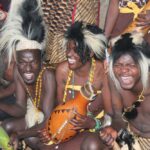
Colorful fabrics, beads, necklaces, bracelets, and traditional ornaments are commonly worn during special occasions.
Music and Dance
Music is an essential expression of Japadhola identity.
Traditional performances include:
- Drumming
- Singing
- Call-and-response songs
- Energetic dances
These performances accompany:
- Weddings
- Harvest celebrations
- Birth ceremonies
- Cultural festivals
- Community gatherings
Songs preserve history, celebrate heroes, teach moral lessons, and strengthen community bonds.
Marriage and Family Life
Marriage is regarded as the union of two families.
Traditional ceremonies involve:
- Family introductions
- Bridewealth negotiations
- Blessings from elders
- Music and dancing
- Community feasting
Bridewealth traditionally includes cattle or other agreed gifts that symbolize appreciation and strengthen relationships between families.
Spiritual Beliefs
Historically, the Japadhola believed in a supreme creator and respected ancestral traditions.
Today, Christianity is the dominant religion, with Anglican, Catholic, Pentecostal, and other denominations playing important roles in community life. Islam is also practiced by a minority of the population.
Traditional values continue to influence family relationships and cultural ceremonies.
Economic Activities
The Japadhola have traditionally relied on agriculture and trade.
Major economic activities include:
- Maize farming
- Cassava cultivation
- Millet production
- Cotton growing
- Livestock keeping
- Cross-border trade
- Fishing
- Education
- Public service
- Small businesses
Their location along the Uganda–Kenya border has made commerce an important part of the local economy for generations.
Famous Sons and Daughters
The Japadhola have produced many distinguished Ugandans in politics, education, religion, medicine, business, and public administration.
Notable figures include:
- Prof. Livingstone Luboobi – renowned mathematician and academic leader.
- John Ken Lukyamuzi – lawyer and politician.
- Many respected educators, clergy, civil servants, entrepreneurs, and community leaders have also contributed to Uganda’s national development.
Preserving Japadhola Heritage
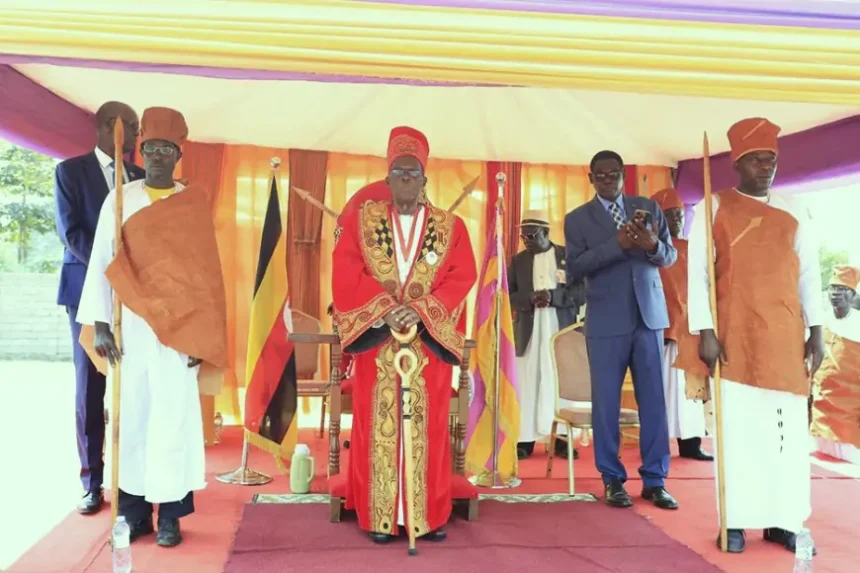
The Won Ateker Cultural Institution, together with local cultural associations and community leaders, promotes the Adhola language, traditional music, oral history, dances, and cultural education.
Schools, annual cultural events, and heritage programs encourage younger generations to preserve their traditions while embracing modern opportunities.
Did You Know?
- The Japadhola are the only Luo-speaking ethnic community native to eastern Uganda.
- Tororo Rock is one of Uganda’s most recognizable natural landmarks and a symbol of Japadhola heritage.
- Adhola belongs to the Luo branch of Western Nilotic languages.
- The Japadhola have maintained their language despite centuries of living among predominantly Bantu-speaking neighbors.
- Cross-border trade has been an important part of Japadhola life for generations.
Quick Facts
| Feature | Information |
|---|---|
| Region | Tororo, Eastern Uganda |
| Language | Adhola (Dhopadhola) |
| Ethnic Group | Luo (Western Nilotic) |
| Traditional Leadership | Clan elders |
| Main Economic Activities | Farming, trade, livestock keeping |
| Famous Landmark | Tororo Rock |
Conclusion
The Japadhola are a remarkable example of cultural resilience and continuity. For centuries, they have preserved their Luo heritage while building strong relationships with neighboring communities across eastern Uganda and western Kenya.
Their language, traditions, music, and agricultural way of life continue to enrich Uganda’s cultural diversity. As they balance heritage with modern development, the Japadhola remain proud custodians of a unique identity that has endured through generations.
Email Us on editorial@nnafrica.com