

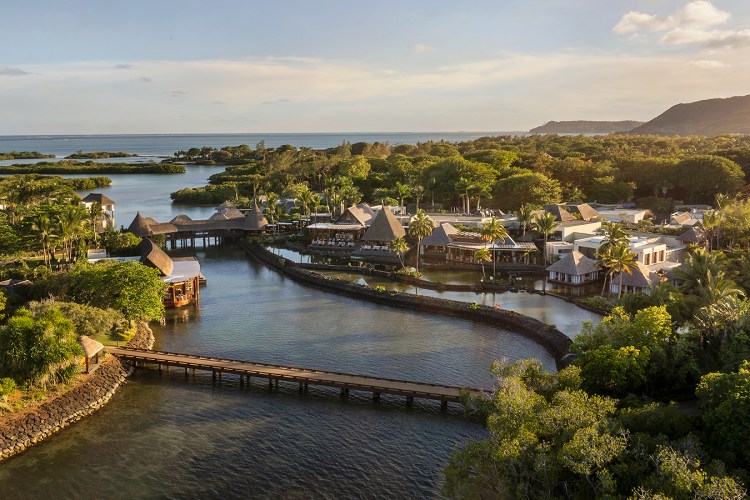
Floating in the turquoise waters of the Indian Ocean, Mauritius is often celebrated for its white-sand beaches and luxury resorts. Yet beyond its postcard-perfect scenery lies one of Africa’s most remarkable cultural stories—a nation where people from different continents have built a society defined by diversity, harmony, and mutual respect.
Unlike many countries whose identity is shaped by a single dominant culture, Mauritius is a vibrant mosaic of African, Indian, Chinese, European, and Creole influences. These traditions have blended over centuries to create a nation where different languages, religions, cuisines, and festivals coexist in remarkable harmony.
For students, researchers, teachers, tourists, and members of the African diaspora, Mauritius offers an inspiring example of how cultural diversity can become a nation’s greatest strength.
Why Mauritius Is One of Africa’s Most Multicultural Countries
Mauritius has long been a crossroads of the Indian Ocean.
Over the centuries, settlers, traders, and workers from Africa, Asia, and Europe brought their customs, beliefs, languages, and traditions to the island.
Rather than replacing one another, these cultures gradually blended while preserving their unique identities.
Today, this multicultural heritage is reflected in everyday life—from neighbourhoods and schools to food, music, festivals, and national celebrations.
Mauritius demonstrates that diversity can unite rather than divide a nation.
An Island Where Many Faiths Flourish Together
One of Mauritius’ most remarkable characteristics is its religious diversity.
Hindu temples, churches, mosques, and Chinese pagodas often stand within short distances of one another, symbolizing centuries of peaceful coexistence.
Religious festivals are celebrated with enthusiasm across communities, allowing people to appreciate traditions beyond their own backgrounds.
This atmosphere of mutual respect has become one of the country’s defining features and contributes to its strong sense of national unity.
The Creole Spirit That Shapes Island Life
Creole culture forms an important part of Mauritian identity.
Rooted in African heritage while embracing influences from Europe and Asia, Creole traditions are expressed through language, music, cuisine, storytelling, and family life.
Hospitality, community gatherings, and joyful celebrations remain central to Creole culture, enriching the island’s broader multicultural society.
The Mauritian Creole language also serves as an important bridge connecting people from different backgrounds in everyday conversation.
Festivals That Reflect a Nation’s Diversity
Throughout the year, Mauritius comes alive with colourful celebrations.
Festivals such as Diwali, Chinese New Year, Eid, Christmas, Cavadee, and Ganesh Chaturthi are observed across the island, showcasing the country’s rich cultural diversity.
These occasions feature traditional clothing, music, dance, food, and religious ceremonies that strengthen community bonds.
For visitors, Mauritius offers a rare opportunity to experience multiple world cultures within a single island nation.
Cuisine: A Delicious Blend of Continents
Mauritian cuisine is one of the clearest expressions of the island’s multicultural heritage.
Indian curries, Creole seafood dishes, Chinese noodles, African-inspired recipes, and European culinary traditions combine to create one of Africa’s most diverse food cultures.
Fresh tropical fruits, spices, seafood, rice, lentils, and locally grown vegetables form the basis of many traditional meals.
Street food, family recipes, and festive banquets all reflect the island’s remarkable cultural fusion.
Music and Dance That Bring Communities Together
Music is woven into Mauritian life.
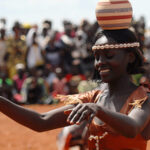
The island’s best-known musical style, Sega, originated among enslaved African communities and has grown into a national symbol of resilience, celebration, and cultural pride.
Performed with rhythmic drums, lively dancing, and expressive singing, Sega continues to unite generations during festivals, weddings, and community events.
Modern Mauritian artists also blend Sega with reggae, jazz, pop, Indian music, and global influences, creating a vibrant contemporary music scene.
Nature Beyond the Beaches
Although Mauritius is famous for its beaches, its natural beauty extends far beyond the coastline.
Volcanic mountains, lush forests, waterfalls, botanical gardens, coral reefs, and marine parks offer remarkable opportunities for exploration.
Protected areas safeguard rare plants and animals while supporting sustainable tourism and environmental education.
These landscapes remind visitors that Mauritius is as rich in biodiversity as it is in culture.
Education and Innovation in a Modern Island Nation
Mauritius has invested heavily in education and human development, helping transform itself into one of Africa’s most diversified economies.
Young Mauritians are making important contributions in business, technology, finance, education, tourism, and environmental conservation.
Despite rapid modernization, cultural traditions remain central to family life and national identity.
This balance between innovation and heritage continues to shape the country’s success.
Hospitality as a Way of Life
Visitors often describe Mauritians as warm, welcoming, and respectful.
Whether sharing a traditional meal, offering directions, or inviting guests to local celebrations, hospitality is deeply embedded in everyday life.
This spirit of openness reflects the island’s long history of cultural exchange and reinforces Mauritius’ reputation as one of Africa’s friendliest destinations.
It is a place where diversity is experienced not only through history but also through daily interactions.
Why Mauritius Is One of Africa’s Most Inspiring Cultural Destinations
Mauritius proves that a nation can be strengthened by its diversity.
Its people have transformed centuries of migration into a vibrant cultural identity built on respect, cooperation, and shared values.
From the rhythms of Sega music to colourful religious festivals, from bustling markets to peaceful beaches, Mauritius offers experiences that are both educational and unforgettable.
For students, researchers, teachers, tourists, and members of the African diaspora, the island provides valuable lessons about multiculturalism, resilience, and national unity.
Mauritius is far more than a tropical paradise.
It is a living example of how cultures from different parts of the world can come together to create a society where heritage is celebrated, traditions endure, and diversity remains one of the nation’s greatest treasures.
Email Us on editorial@nnafrica.com