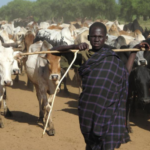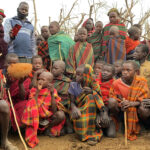


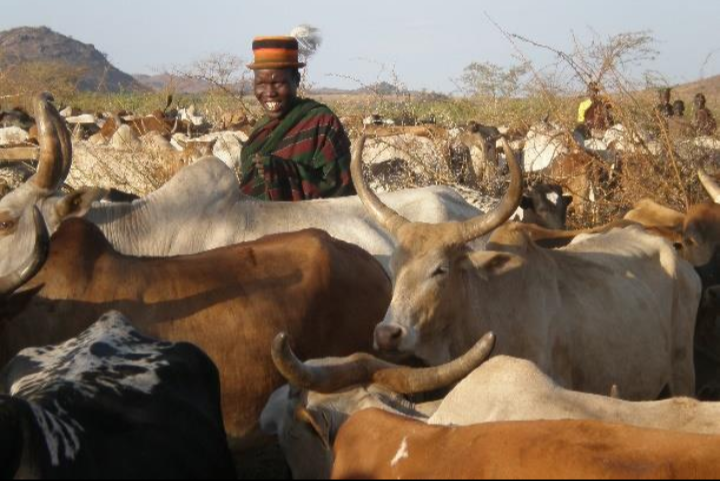
In the vast plains of northeastern Uganda, where golden grasslands stretch toward the horizon and cattle graze beneath endless skies, lives one of the country’s oldest pastoral communities—the Jie .
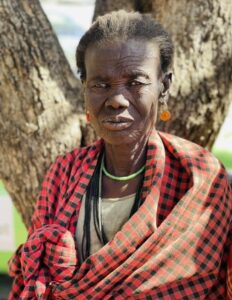
Often overshadowed by broader discussions about KaramojaKaramoja, the Jie have nurtured a rich cultural identity built on family, livestock, courage, and respect for tradition. Their history reflects centuries of adaptation to a challenging environment, while their customs continue to thrive alongside the opportunities and changes of modern Uganda.
For the Jie, culture is not a relic of the past—it is a living inheritance passed from one generation to the next.
Who Are the Jie?
The Jie are one of the major communities within Uganda’s Karamoja cultural cluster. They primarily live in Kotido District, with related communities extending across nearby border regions.
They share linguistic and historical ties with neighboring groups such as the Karamojong , Dodoth, Bokora, Matheniko, and Pian . Although these communities have many shared traditions, the Jie maintain their own identity, clan structures, and local customs.
Origins and History
The ancestors of the Jie are believed to have migrated into the Karamoja region centuries ago as part of the broader movement of Eastern Nilotic-speaking peoples.
Over generations, they developed a way of life suited to the semi-arid plains, relying on livestock, seasonal grazing, and close-knit clan networks. Elders became custodians of oral history, preserving the community’s stories, values, and traditions through storytelling, songs, and ceremonies.
Cattle: The Heart of Jie Life
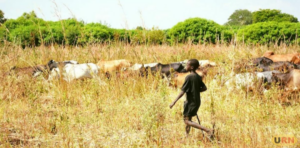
For the Jie, cattle are central to both daily life and cultural identity.
Livestock traditionally provide:
- Food, including milk and meat
- Bridewealth during marriage
- A measure of family prosperity
- Social prestige
- A link between generations
Many traditional songs celebrate prized animals, and caring for cattle is considered both a practical responsibility and a cultural duty.
Language
The Jie speak Ngajie, an Eastern Nilotic language closely related to Ngakarimojong and other languages spoken across the Karamoja cluster.
The language remains an important marker of identity, with oral traditions helping preserve history and cultural knowledge.
Traditional Homes
Jie families traditionally live in manyattas—circular homesteads enclosed with thorn fencing to protect people and livestock.
Within these compounds are huts constructed from wooden poles, mud, and thatch. The design reflects generations of knowledge about building in a hot, dry climate while fostering strong family and community bonds.
Food and Cuisine
The Jie diet reflects their pastoral heritage and local agriculture.
Common foods include:
- Sorghum porridge
- Millet
- Milk
- Ghee
- Beans
- Roasted goat and beef
- Wild fruits in season
- Honey
Meals are often shared among extended family members, reinforcing the importance of hospitality and community.
Traditional Dress and Beadwork
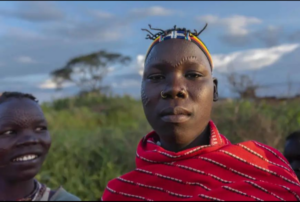
Traditional clothing is both practical and symbolic.
Men commonly wear colorful wraps suited to the warm climate, while women decorate themselves with intricate bead necklaces, bracelets, earrings, and belts. Different bead patterns and ornaments may signify age, social status, or life milestones.
Music, Dance, and Oral Tradition
Music accompanies many important moments in Jie life, including weddings, harvest celebrations, community gatherings, and rites of passage.
Songs preserve history, praise respected elders, celebrate courage, and express gratitude for family and livestock. Traditional dances feature energetic movements, rhythmic chanting, and communal participation.
Marriage and Family
Marriage is viewed as an alliance between families rather than simply a union between two individuals.
Bridewealth, traditionally given in cattle, plays an important role in recognizing the commitment between families. Elders guide discussions and ceremonies, helping strengthen community ties.
Spiritual Beliefs
Historically, the Jie believed in a supreme creator and practiced rituals connected to rain, livestock, ancestors, and community well-being.
Today, many Jie are Christians, while some traditional beliefs and cultural ceremonies continue to be observed as part of their heritage.
Life in the Modern Era
The Jie continue to adapt to changing times.
Education, improved infrastructure, healthcare, trade, and government programs have expanded opportunities for younger generations. Many families now combine livestock keeping with farming, business, public service, and skilled professions.
Community leaders also work to preserve the Jie language, oral traditions, and cultural practices for future generations.
Did You Know?
- The Jie are one of the principal communities of the Karamoja cultural region.
- Oral storytelling remains an important way of preserving history and values.
- Traditional beadwork often communicates aspects of identity and social status.
- Many Jie families continue to combine pastoral traditions with modern livelihoods.
Quick Facts
| Feature | Information |
|---|---|
| Region | Kotido District, Northeastern Uganda |
| Language | Ngajie |
| Cultural Group | Karamoja Cluster |
| Traditional Occupation | Pastoralism and farming |
| Main Livestock | Cattle, goats, sheep |
| Traditional Home | Manyatta |
Conclusion
The Jie are a testament to the resilience and richness of Uganda’s cultural diversity. Rooted in pastoral traditions yet embracing change, they continue to preserve a heritage shaped by family, livestock, oral history, and communal values.
As Uganda celebrates its many cultures, the Jie stand as proud custodians of a way of life that has endured for centuries, reminding us that cultural heritage remains a vital part of the nation’s identity.
Email Us on editorial@nnafrica.com