

In an age of rapid globalization, few places have preserved their spiritual heritage as deeply and authentically as Benin. Nestled along the Gulf of Guinea in West Africa, this vibrant nation is widely recognized as the birthplace of Vodun—often known internationally as Voodoo—a belief system that has influenced cultures across Africa, the Caribbean, and the Americas.
Yet Benin is far more than the origin of a misunderstood religion. It is a country of ancient kingdoms, colorful markets, rich artistic traditions, and resilient communities. From the historic palaces of Abomey to the stilt villages of Lake Nokoué, Benin offers visitors a fascinating journey into a culture where history, spirituality, and modern life remain closely intertwined.
Why Benin Is One of West Africa’s Most Fascinating Cultural Destinations
While many African countries attract attention for wildlife or beaches, Benin stands out for its extraordinary cultural heritage. The country’s history is deeply connected to powerful pre-colonial kingdoms that once dominated regional trade and politics.
Today, Benin’s cultural identity remains remarkably visible in daily life. Traditional ceremonies, music, storytelling, and community rituals continue to thrive alongside modern institutions and growing urban centers.
For travelers seeking authentic cultural experiences, Benin offers something increasingly rare: a chance to witness living traditions that have survived centuries of change.
The Kingdom of Dahomey: The Legacy That Shaped Modern Benin
Long before the modern nation emerged, the Kingdom of Dahomey was one of West Africa’s most powerful states.
Founded in the seventeenth century, Dahomey developed a sophisticated political system, a formidable military, and an influential cultural tradition. Its rulers built magnificent palaces and established institutions that shaped the region’s history for generations.
The city of Abomey remains the spiritual and historical heart of this legacy. Visitors can explore royal palaces, historical artifacts, and cultural sites that tell the story of one of Africa’s most remarkable kingdoms.
The history of Dahomey continues to influence Beninese identity, serving as a source of national pride and cultural continuity.
Understanding Vodun: The Spiritual Tradition Often Misunderstood by the World
Perhaps no aspect of Benin’s culture is more famous—or more misunderstood—than Vodun.
Contrary to popular stereotypes, Vodun is a complex spiritual system centered on respect for ancestors, harmony with nature, and the belief that spiritual forces influence everyday life.
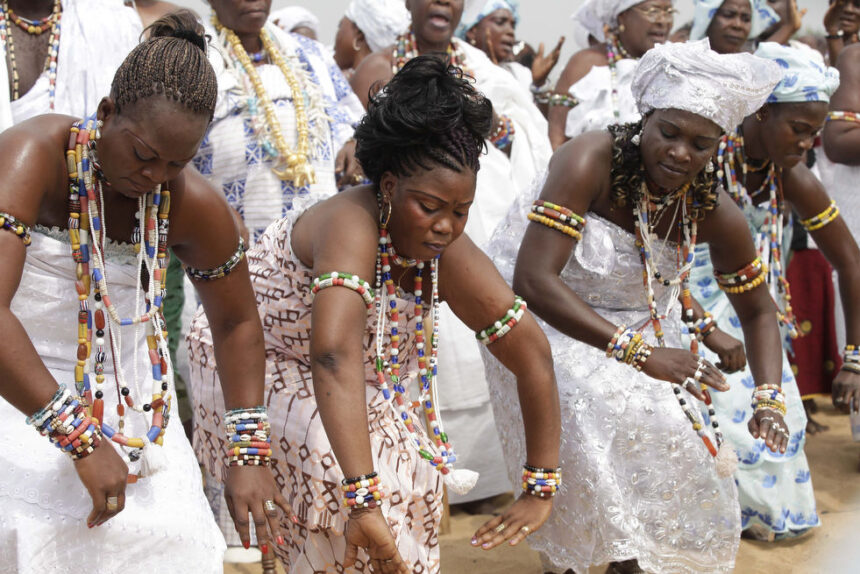
For many Beninese communities, Vodun is not merely a religion but a way of understanding the world. Ceremonies often involve music, dance, prayer, and symbolic rituals that strengthen community bonds and preserve cultural knowledge.
Every January, thousands gather for Vodun celebrations that showcase the country’s spiritual heritage. These events attract visitors from across Africa and the African diaspora, many seeking a deeper connection to their ancestral roots.
Ganvié: The Remarkable Village Built on Water
One of Benin’s most extraordinary attractions is Ganvié, often called the “Venice of Africa.”
Located on Lake Nokoué, this unique settlement is built entirely on stilts above the water. For centuries, residents have traveled by canoe, conducted trade from floating markets, and developed a way of life unlike any other in West Africa.
The village was originally established as a refuge from slave raiders, allowing communities to seek safety on the lake. Today, Ganvié stands as a symbol of resilience, ingenuity, and adaptation.
Visitors exploring its waterways gain insight into a culture that has successfully balanced tradition with the demands of modern life.
The Music, Dance, and Festivals That Bring Communities Together
Culture in Benin is not confined to museums or historical sites—it is alive in everyday celebrations.
Music and dance play a central role in community life, marking everything from weddings and harvests to religious ceremonies and national festivals.
Traditional drums, rhythmic performances, and colorful costumes transform public gatherings into vibrant expressions of identity. These artistic traditions are passed down through generations, ensuring that cultural knowledge remains deeply rooted in local communities.
Across the country, festivals provide opportunities for people to celebrate their heritage while welcoming visitors into their traditions.
What Beninese Cuisine Reveals About Local Life
Food offers another window into Benin’s rich cultural landscape.
Meals often feature maize, cassava, yams, beans, and fresh fish from rivers and coastal waters. Popular dishes combine local ingredients with flavors developed over centuries of regional exchange.
Street markets overflow with fresh produce, spices, and traditional snacks, creating lively social spaces where food and community intersect.
In many households, sharing a meal is considered an important act of hospitality, reflecting values of generosity and togetherness that remain central to Beninese culture.
How Modern Benin Balances Tradition and Progress
While Benin proudly preserves its cultural heritage, it is also embracing modernization.
Cities such as Cotonou are becoming important centers of commerce, entrepreneurship, education, and technology. Young people are increasingly shaping the country’s future through innovation, business, and creative industries.
Yet even as modern influences expand, traditional beliefs and cultural practices continue to play an important role in national life.
This balance between heritage and progress gives Benin a distinctive character that sets it apart from many other destinations.
Why Benin Deserves a Place on Every Cultural Traveler’s Bucket List
Benin’s greatest attraction is not a single monument or landscape. It is the country’s ability to connect the past and present in meaningful ways.
From the royal history of Dahomey and the spiritual traditions of Vodun to the floating village of Ganvié and the vibrant energy of modern cities, Benin offers an experience that is both educational and deeply human.
For travelers seeking to understand Africa beyond the headlines, Benin provides an unforgettable journey into the heart of culture, spirituality, and resilience.
It is a nation where ancient traditions continue to guide modern life—and where every story reveals another layer of one of West Africa’s most fascinating societies.
Email Us on editorial@nnafrica.com