

Few places in Africa combine ancient history, breathtaking desert landscapes, Mediterranean beauty, and rich cultural traditions quite like Algeria. Yet despite being Africa’s largest country, Algeria remains one of the continent’s least-visited destinations.
For travelers seeking authentic experiences away from overcrowded tourist hotspots, Algeria offers a rare opportunity to discover a country where Roman ruins, vibrant cities, mountain villages, and endless Sahara dunes coexist in remarkable harmony.
As global interest in North African tourism grows, Algeria is quietly emerging as one of Africa’s most fascinating destinations.
The Untold Story of Africa’s Largest Nation
Covering more than 2.3 million square kilometers, Algeria stretches from the Mediterranean Sea to the heart of the Sahara Desert. Its sheer size makes it larger than many countries combined, yet much of its beauty remains unknown to international audiences.
The country’s strategic location has made it a crossroads of civilizations for thousands of years. Berber kingdoms, Arab dynasties, Ottoman rulers, and French colonial influence have all contributed to the unique identity that defines modern Algeria.
Today, visitors encounter a nation proud of its history while confidently embracing the future.
Why Algiers Is One of the Mediterranean’s Most Underrated Cities
Most first-time visitors arrive in Algiers, the nation’s capital. Perched along the Mediterranean coast, the city offers stunning sea views, historic architecture, and a cultural atmosphere unlike anywhere else in Africa.
The iconic Casbah of Algiers remains one of the city’s greatest treasures. Its maze-like alleys, traditional homes, and centuries-old structures tell stories that span generations.
Beyond the old city, modern Algiers buzzes with energy. Cafés, universities, museums, and cultural centers reveal a youthful city that is increasingly connected to global trends while maintaining strong local traditions.
Inside the Algerian Sahara: A Desert Bigger Than Most Countries
When people think of Algeria, many immediately picture the Sahara Desert—and for good reason.
Nearly 80 percent of the country lies within the Sahara, creating some of the most spectacular desert scenery on Earth.
Unlike the common image of endless sand dunes, the Algerian Sahara features dramatic rock formations, hidden valleys, ancient caravan routes, and oasis settlements that have supported life for centuries.
The region of Tassili n’Ajjer is particularly famous for its prehistoric rock art and otherworldly landscapes. These natural wonders attract adventurers, photographers, and history enthusiasts from around the globe.
At night, the desert sky transforms into a dazzling display of stars, offering one of the most unforgettable experiences in Africa.
The Amazigh Heritage That Continues to Shape Algeria
Long before modern borders existed, Amazigh communities developed thriving cultures across North Africa.
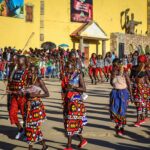
Today, Amazigh traditions remain an essential part of Algerian identity. Their influence can be seen in language, music, architecture, cuisine, and cultural celebrations throughout the country.
In mountainous regions and rural communities, traditional customs continue to thrive alongside modern lifestyles, creating a fascinating blend of old and new.
This cultural diversity is one of the reasons Algeria stands apart from many other destinations.
What Traditional Algerian Food Reveals About the Country’s History
Food offers a delicious introduction to Algeria’s multicultural heritage.
Couscous remains the country’s most famous dish, prepared in countless regional variations. Visitors can also enjoy flavorful soups, grilled meats, fresh seafood, and traditional pastries influenced by centuries of cultural exchange.
Meals often serve as important social occasions, bringing families and communities together.
Hospitality is deeply valued, and guests are frequently welcomed with tea, homemade bread, and generous portions of local specialties.
How Algeria’s Young Generation Is Transforming the Country
While Algeria proudly preserves its traditions, it is also undergoing significant change.
Young entrepreneurs, artists, musicians, and technology innovators are helping shape a new chapter in the nation’s development. Major cities are witnessing growth in digital industries, creative sectors, and modern infrastructure.
This dynamic energy is creating opportunities while ensuring that cultural heritage remains an important part of national identity.
The result is a country where tradition and progress coexist rather than compete.
Why Algeria Could Become North Africa’s Next Major Travel Destination
As travelers increasingly seek authentic experiences, Algeria possesses many of the qualities that modern tourism demands: rich history, diverse landscapes, unique culture, and relatively unexplored attractions.
From the Mediterranean coastline to the vast Sahara, Algeria offers experiences that few destinations can match.
For those willing to venture beyond conventional travel routes, the country provides an unforgettable journey through one of Africa’s most remarkable nations.
The world is slowly discovering what Algerians have known all along: Algeria is not merely Africa’s largest country—it may also be one of its most rewarding destinations.
Email Us on editorial@nnafrica.com