

Ask anyone who has visited Malawi what they remember most, and many will give the same answer—the people. Known around the world as the “Warm Heart of Africa,” Malawi has earned its reputation through genuine hospitality, strong community values, and a culture that welcomes strangers as friends.
But there is far more to Malawi than its famous friendliness. From the crystal-clear waters of Lake Malawi to the mist-covered highlands, ancient kingdoms, colorful markets, and vibrant cultural festivals, the country offers one of Southern Africa’s richest and most rewarding cultural experiences.
Home to diverse ethnic communities, centuries-old traditions, and one of Africa’s most beautiful freshwater lakes, Malawi is a nation where history, nature, and everyday life remain closely connected.
For students, researchers, teachers, tourists, and members of the African diaspora, Malawi provides an inspiring window into a country where cultural heritage continues to shape modern life.
Why Malawi Is Called the Warm Heart of Africa
Some national nicknames are created for tourism campaigns. Others are earned through generations of lived experience.
Malawi’s reputation as the Warm Heart of Africa reflects the kindness, respect, and generosity that visitors often encounter across the country.
Greeting strangers warmly, helping neighbours, respecting elders, and sharing meals are deeply rooted cultural values found in many Malawian communities.
These traditions of hospitality have become one of the country’s greatest strengths, making Malawi one of Africa’s most welcoming destinations.
Lake Malawi: The Lifeblood of a Nation
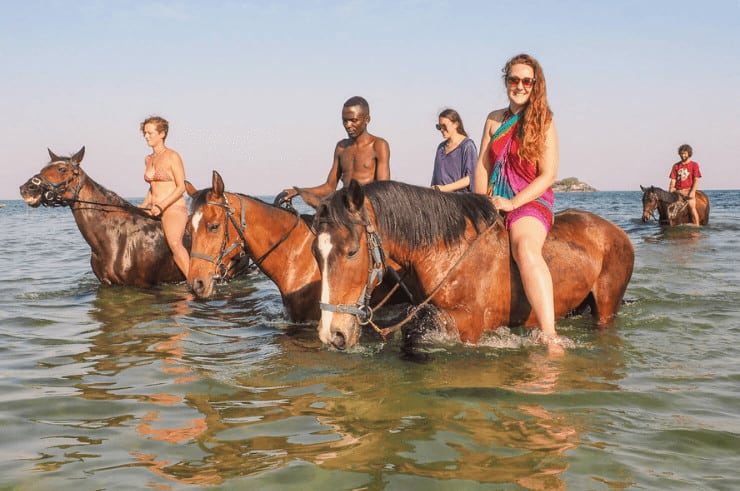
Stretching for nearly 600 kilometres, Lake Malawi dominates the country’s geography and identity.
Often described as the “Calendar Lake” because it is approximately 365 miles long and 52 miles wide, it is one of Africa’s Great Lakes and among the world’s richest freshwater ecosystems.
For centuries, the lake has sustained fishing communities, supported trade, and inspired folklore, music, and local traditions.
Its clear waters are home to hundreds of colourful cichlid fish species found nowhere else on Earth, making it a paradise for scientists, conservationists, and nature lovers.
The lake is not simply a landmark—it is central to Malawi’s economy, culture, and way of life.
A Nation United by Cultural Diversity
Malawi is home to several ethnic communities, including the Chewa, Yao, Tumbuka, Ngoni, Lomwe, Sena, Tonga, Lambya, and Nkhonde.
Each community contributes unique languages, dances, ceremonies, and artistic traditions while sharing a strong sense of national identity.
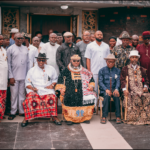
Traditional leaders continue to play respected roles in community life, helping preserve customs, resolve local disputes, and strengthen social cohesion.
This rich diversity gives Malawi a cultural landscape that is both vibrant and deeply rooted in history.
The Chewa and the Living Legacy of Gule Wamkulu
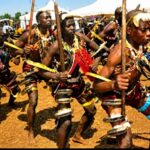
Among Malawi’s best-known cultural traditions is Gule Wamkulu, a ceremonial masked dance practiced mainly by the Chewa people.
Featuring elaborate masks, symbolic costumes, music, and dance, Gule Wamkulu communicates moral lessons, celebrates important occasions, and preserves ancestral knowledge.
The performances are both artistic and educational, reflecting centuries of cultural tradition passed from one generation to the next.
Today, this remarkable heritage remains an important symbol of Malawian identity.
Traditional Chiefs: Guardians of Community Values
Across Malawi, traditional chiefs remain highly respected.
They serve as custodians of local customs, mediators in community matters, and guardians of cultural heritage.
Working alongside modern institutions, chiefs continue to play important roles in promoting peace, preserving traditions, and encouraging community development.
Their leadership reflects the enduring importance of consensus, respect, and collective responsibility in Malawian society.
Music and Dance That Bring Communities Together
Music accompanies nearly every important event in Malawi.
Traditional drums, rattles, xylophones, and singing fill weddings, harvest celebrations, initiation ceremonies, and national festivals with energy and joy.
Each ethnic community preserves distinctive dance styles that celebrate bravery, courtship, harvests, and spiritual beliefs.
Modern Malawian musicians increasingly blend these traditional rhythms with gospel, Afro-pop, jazz, and contemporary African music, ensuring that cultural heritage continues to evolve.
Malawian Cuisine: Fresh, Simple, and Deeply Rooted in Tradition
Food reflects Malawi’s agricultural heritage and strong family values.
The country’s staple dish, nsima, is commonly served with vegetables, beans, fish, beef, or chicken.
Fresh fish from Lake Malawi, including the popular chambo, is widely enjoyed throughout the country.
Groundnuts, cassava, sweet potatoes, maize, bananas, and leafy vegetables also feature prominently in traditional meals.
Sharing food is considered an expression of friendship and hospitality, with visitors often welcomed to the table as honoured guests.
Markets That Tell the Story of Everyday Malawi
Malawi’s markets are lively centres of commerce and community life.
Farmers bring fresh produce, fishermen sell their daily catch, and artisans display handwoven baskets, pottery, wood carvings, and colourful fabrics.
Beyond buying and selling, these markets provide places where neighbours exchange news, celebrate local culture, and strengthen social ties.
For visitors, they offer an authentic glimpse into everyday Malawian life.
Protecting Nature and Cultural Heritage Together
Malawi’s spectacular landscapes include mountains, forests, wetlands, and wildlife reserves that support elephants, antelope, birds, and countless other species.
Many local communities have long understood the importance of living in harmony with nature.
Community-led conservation initiatives increasingly combine environmental protection with sustainable tourism, ensuring that future generations inherit both healthy ecosystems and thriving cultural traditions.
This partnership reflects Malawi’s enduring respect for both people and the environment.
Why Malawi Deserves a Place Among Africa’s Great Cultural Destinations
Malawi may not always dominate international headlines, but it offers something far more enduring: authenticity.
It is a country where hospitality is a way of life, where ancient traditions continue to thrive beside modern aspirations, and where one of Africa’s greatest lakes has shaped communities for centuries.
Its vibrant cultures, welcoming people, breathtaking landscapes, and rich heritage make Malawi one of the continent’s most rewarding destinations for anyone seeking a deeper understanding of Africa.
For students, researchers, teachers, tourists, and members of the African diaspora, Malawi offers lessons in resilience, generosity, and cultural pride.
In the Warm Heart of Africa, every greeting reflects kindness, every dance preserves history, and every journey reveals another chapter in one of Southern Africa’s most inspiring stories.
Email Us on editorial@nnafrica.com