

For many Africans, the word Ebola evokes memories of fear, loss, and uncertainty.
Entire communities once lived under lockdown. Borders closed. Schools shut down. Families were torn apart by a virus that spread quickly and claimed thousands of lives.
Now, those fears are returning.
The Democratic Republic of Congo (DRC) is once again battling an Ebola outbreak, prompting health authorities to intensify surveillance and response efforts. While experts stress that the situation is being closely monitored, the resurgence is a reminder that infectious diseases remain one of Africa’s greatest public health challenges.
What Is Happening?
Health officials have confirmed new Ebola cases in parts of eastern DR Congo, where healthcare systems are already under pressure from years of conflict, population displacement, and limited medical infrastructure.
Response teams have been deployed to identify infections, trace contacts, isolate patients, and educate communities on preventing transmission.
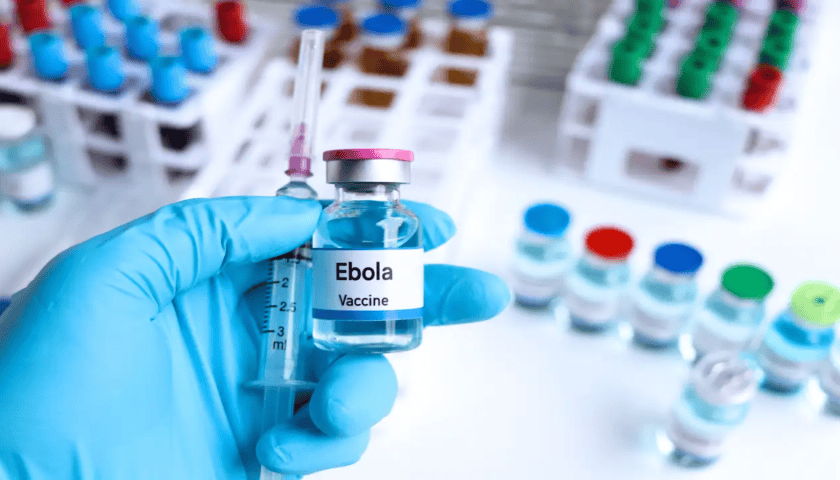
Vaccination campaigns and laboratory testing are also being expanded in affected areas to reduce the risk of further spread.
Why Ebola Is So Dangerous
Ebola is one of the world’s deadliest viral diseases.
It spreads through direct contact with the bodily fluids of an infected person or contaminated materials. Early symptoms include fever, headache, fatigue, muscle pain, vomiting, and diarrhoea, making it difficult to distinguish from other illnesses in the early stages.
Without rapid diagnosis and treatment, the disease can become life-threatening.
Although medical advances have significantly improved survival rates, Ebola remains a serious public health threat.
Why the DRC Faces Repeated Outbreaks
The Democratic Republic of Congo has experienced multiple Ebola outbreaks over the past several decades.
Scientists believe the virus naturally exists in certain wildlife populations and can occasionally spread to humans.
Containing outbreaks becomes especially difficult in regions affected by insecurity, where armed conflict, displacement, and poor transport networks make it harder for health workers to reach vulnerable communities.
Misinformation and distrust of health authorities can also discourage people from seeking treatment or cooperating with response teams.
Could It Spread Beyond the DRC?
At the moment, health experts say the outbreak remains localized.
However, neighbouring countries remain on alert because thousands of people cross borders every day for trade, work, and family visits.
Countries including Uganda, Rwanda, Burundi, South Sudan, and the Republic of Congo have strengthened surveillance at border crossings and healthcare facilities to detect suspected cases quickly.
The goal is simple: identify infections early before they become larger outbreaks.
Lessons Africa Has Learned
Africa is better prepared today than it was during previous Ebola crises.
Governments have invested in disease surveillance, emergency response systems, laboratory capacity, and training for healthcare workers.
International partnerships have also improved access to vaccines, protective equipment, and rapid diagnostic testing.
These improvements mean outbreaks can often be detected and contained more quickly than in the past.
The Human Cost
Behind every statistic is a family facing uncertainty.
Parents worry about their children’s safety.
Healthcare workers risk their own lives while caring for patients.
Communities already struggling with poverty and conflict must now confront another crisis that threatens livelihoods and public confidence.
For many people in affected regions, Ebola is not just a health emergency—it is also an economic and social one.
Why Every African Should Pay Attention
Diseases do not respect borders.
An outbreak in one country can quickly become a regional concern if surveillance, cooperation, and public awareness weaken.
That is why African governments continue to share information, coordinate responses, and strengthen cross-border health systems.
The current outbreak is also a reminder of the importance of investing in healthcare before emergencies occur—not after they begin.
Looking Ahead
Health authorities remain cautiously optimistic that the outbreak can be contained through rapid action, community cooperation, and continued international support.
But success will depend on sustained funding, public trust, and vigilance.
Africa has defeated Ebola outbreaks before.
The challenge now is ensuring that this latest outbreak is stopped before it grows into a wider regional crisis.
For millions across the continent, the hope is that lessons learned from previous epidemics will help save lives once again.
Email Us on editorial@nnafrica.com