


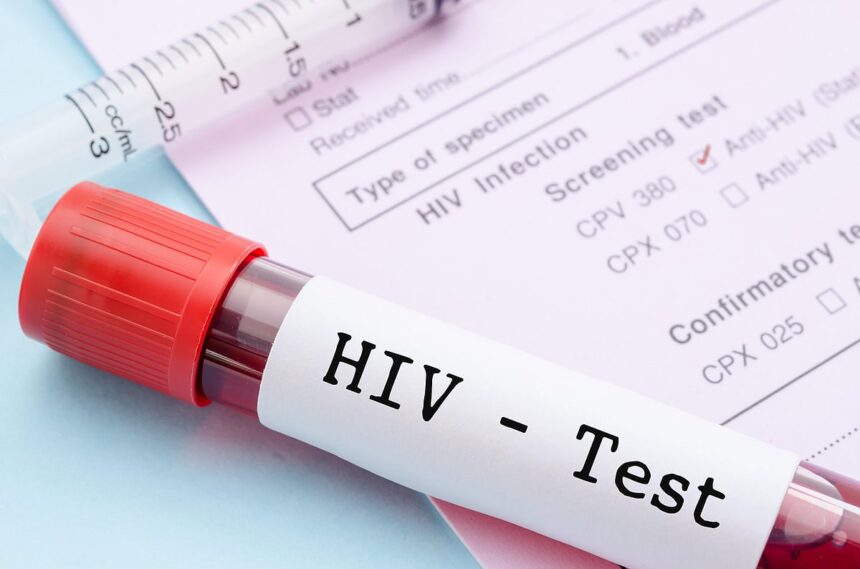
For more than two decades, Africa has made remarkable progress in the fight against HIV.
Millions of people who once had little hope now live long, healthy lives thanks to improved access to testing, treatment, education, and prevention programmes.
New HIV infections have fallen in many countries. Deaths linked to AIDS have dropped significantly. Entire communities have benefited from stronger healthcare systems built through years of international cooperation.
But that progress is now under threat.
Health experts and international organizations are warning that reductions in funding for HIV programmes could reverse years of hard-won gains, placing millions of Africans at greater risk and putting enormous pressure on already stretched healthcare systems.
Why Funding Matters
Treating HIV is not a one-time intervention.
People living with HIV often require lifelong access to antiretroviral medicines, regular medical check-ups, laboratory testing, and counselling.
Many prevention programmes—including HIV testing, mother-to-child transmission prevention, education campaigns, and community outreach—also depend heavily on sustained financial support.
When funding declines, these essential services become harder to maintain.
Africa Carries the Greatest Burden
Sub-Saharan Africa remains the region most affected by HIV.
While tremendous progress has been made, millions of people continue to rely on public health systems and international partnerships for access to life-saving treatment.
Countries including South Africa, Uganda, Kenya, Tanzania, Zambia, Zimbabwe, Malawi, Mozambique, Botswana, and Eswatini have all achieved significant successes through expanded HIV programmes.
Protecting those gains requires continued investment.
What Could Happen If Funding Falls?
Health experts warn that prolonged funding shortages could lead to:
- Interruptions in HIV treatment.
- Fewer people accessing testing services.
- Increased mother-to-child transmission.
- Rising numbers of new HIV infections.
- Greater pressure on hospitals and healthcare workers.
- Higher long-term healthcare costs.
Even temporary disruptions in treatment can affect individual health and increase the risk of drug resistance.
Progress Worth Protecting
Africa’s response to HIV has become one of the continent’s greatest public health success stories.
Governments, healthcare workers, researchers, civil society organizations, international donors, and local communities have worked together to expand access to treatment and reduce stigma.
Scientific advances have transformed HIV from a fatal disease into a manageable chronic condition for millions of people.
This progress demonstrates what sustained investment and political commitment can achieve.
The Importance of Local Leadership
Many experts believe African countries should continue increasing domestic investment in healthcare alongside international support.
Building stronger national health systems can reduce dependence on external funding while improving preparedness for future health emergencies.
Investment in local pharmaceutical production, healthcare infrastructure, medical research, and workforce training could strengthen long-term resilience.
Beyond HIV
Funding cuts would not only affect HIV services.
Many HIV programmes also support laboratories, healthcare workers, maternal health services, tuberculosis treatment, and community health initiatives.
Weakening one part of the health system can have wider consequences for public health.
A Shared Responsibility
The fight against HIV has always been a partnership.
Governments, international organizations, private foundations, businesses, and local communities all have important roles to play.
Continued cooperation will be essential to ensure that millions of people continue receiving the care they need.
Final Thoughts
Africa has spent decades building one of the world’s most successful responses to HIV.
The continent has saved millions of lives, reduced stigma, strengthened health systems, and demonstrated the power of collective action.
Allowing that progress to be reversed would carry an enormous human and economic cost.
The challenge now is not only to preserve past achievements but to build on them.
With sustained investment, innovation, and political commitment, Africa can continue moving toward a future where HIV is no longer a public health crisis but a manageable disease—and, ultimately, one that is brought under lasting control.
Email Us on editorial@nnafrica.com