

Separated from mainland Africa for nearly 90 million years, Madagascar is a world unlike any other. As Africa’s largest island, it is celebrated for its astonishing wildlife, towering baobab trees, and landscapes found nowhere else on Earth. Yet beyond its natural wonders lies a rich cultural heritage shaped by centuries of migration, trade, and deeply rooted ancestral traditions.
Madagascar is home to a people whose identity reflects African and Asian influences, creating one of the world’s most distinctive cultures. From the misty central highlands to the tropical rainforests and turquoise shores of the Indian Ocean, the island is filled with communities that continue to honor customs passed down through generations.
For students, researchers, teachers, tourists, and members of the African diaspora, Madagascar offers an extraordinary opportunity to explore a nation where nature and culture have evolved side by side for centuries.
Why Madagascar Is Unlike Anywhere Else on Earth
Madagascar’s long isolation has produced one of the planet’s most remarkable natural environments.
Scientists estimate that more than 80 percent of the island’s plants and animals are found nowhere else in the world. Lemurs leap through ancient forests, towering baobab trees dominate the landscape, and countless species of birds, reptiles, and orchids thrive in ecosystems that have evolved over millions of years.
This exceptional biodiversity has made Madagascar one of the world’s most important conservation hotspots and a dream destination for nature lovers.
A Nation Shaped by Africa and Asia
Madagascar’s cultural story is just as unique as its wildlife.
The island’s earliest settlers are believed to have arrived from Southeast Asia, later joined by African communities, Arab traders, and merchants from the Indian Ocean. Over time, these influences blended into a vibrant Malagasy identity.
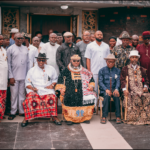
Today, Madagascar is home to 18 officially recognized ethnic groups, each preserving distinctive customs, dialects, music, clothing, and traditions while sharing a common national heritage.
This remarkable cultural fusion makes Madagascar unlike any other African nation.
The Deep Respect for Ancestors
One of the defining features of Malagasy culture is the profound respect shown to ancestors.
Many communities believe that ancestors continue to guide and protect the living, making family heritage an important part of everyday life.
Traditional ceremonies honoring ancestors reinforce family unity and preserve cultural identity across generations. These customs reflect the belief that remembering the past helps strengthen the future.
This enduring connection between generations remains one of Madagascar’s most cherished cultural values.
The Highlands: Heartland of Malagasy Heritage
The central highlands have long served as Madagascar’s political and cultural center.
Terraced rice fields stretch across rolling hills, while traditional villages showcase architectural styles that have evolved over centuries.
Agriculture remains central to life in the highlands, with rice cultivation shaping both the economy and cultural traditions.
Visitors quickly discover that the region offers a fascinating blend of history, craftsmanship, and breathtaking scenery.
Music, Dance, and Storytelling Keep Traditions Alive
Music is woven into every stage of Malagasy life.
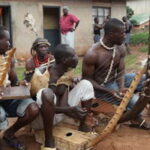
Traditional instruments such as the valiha, a bamboo tube zither regarded as Madagascar’s national instrument, accompany songs performed during ceremonies, festivals, and family celebrations.
Dance styles vary between regions, reflecting local customs and historical influences.
Oral storytelling continues to preserve legends, proverbs, and historical accounts, ensuring that younger generations remain connected to their cultural roots.
These artistic traditions remain essential expressions of Malagasy identity.
Cuisine Inspired by the Island’s Rich Landscapes
Madagascar’s cuisine reflects its agricultural abundance and multicultural heritage.
Rice is the foundation of nearly every meal and is accompanied by vegetables, seafood, beef, poultry, and flavorful sauces.
The island’s tropical climate produces vanilla, cloves, lychees, cocoa, coffee, and a variety of fruits that have made Madagascar famous around the world.
Meals are typically shared among family members, reinforcing values of hospitality, togetherness, and community.
The Avenue of the Baobabs: A Natural Wonder
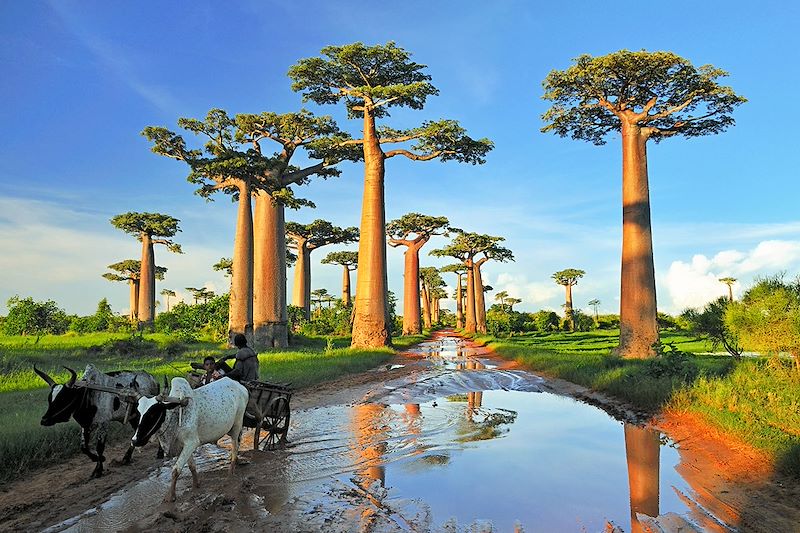
Among Madagascar’s most iconic landmarks is the Avenue of the Baobabs.
These towering ancient trees, some estimated to be hundreds of years old, create one of Africa’s most recognizable landscapes.
For local communities, baobabs are more than natural monuments. They feature prominently in folklore, traditional beliefs, and local identity.
The avenue has become a symbol of Madagascar’s extraordinary natural heritage and attracts visitors from around the globe.
Protecting One of the World’s Greatest Biodiversity Hotspots
Madagascar’s unique ecosystems face significant environmental challenges, making conservation an important national priority.
Protected areas across the island safeguard rainforests, dry forests, wetlands, coral reefs, and countless endemic species.
Local communities increasingly participate in conservation initiatives that combine environmental protection with sustainable livelihoods.
These efforts recognize that preserving Madagascar’s biodiversity also protects cultural traditions closely connected to the natural world.
A New Generation Celebrating Heritage Through Innovation
Madagascar’s young population is embracing education, entrepreneurship, science, and the creative arts while remaining proud of its cultural roots.
Artists, musicians, researchers, and conservationists are using modern technology to share Malagasy traditions with global audiences.
Traditional weaving, wood carving, music, and cuisine continue to evolve without losing their historical foundations.
This balance between innovation and heritage is helping shape Madagascar’s future.
Why Madagascar Is One of Africa’s Greatest Treasures
Madagascar is far more than an island famous for lemurs and baobab trees.
It is a nation where ancient traditions remain alive, where extraordinary biodiversity inspires global conservation, and where communities continue to celebrate a cultural heritage unlike any other.
Its unique blend of African and Asian influences, breathtaking landscapes, remarkable wildlife, and enduring respect for ancestors makes Madagascar one of the world’s most fascinating destinations.
For students, researchers, teachers, tourists, and the African diaspora, Madagascar offers an unforgettable journey into a place where culture and nature exist in remarkable harmony.
From the songs of the highlands to the forests where lemurs roam, Madagascar tells a story found nowhere else on Earth—a story of resilience, diversity, and the enduring bond between people and the natural world.
Email Us on editorial@nnafrica.com