


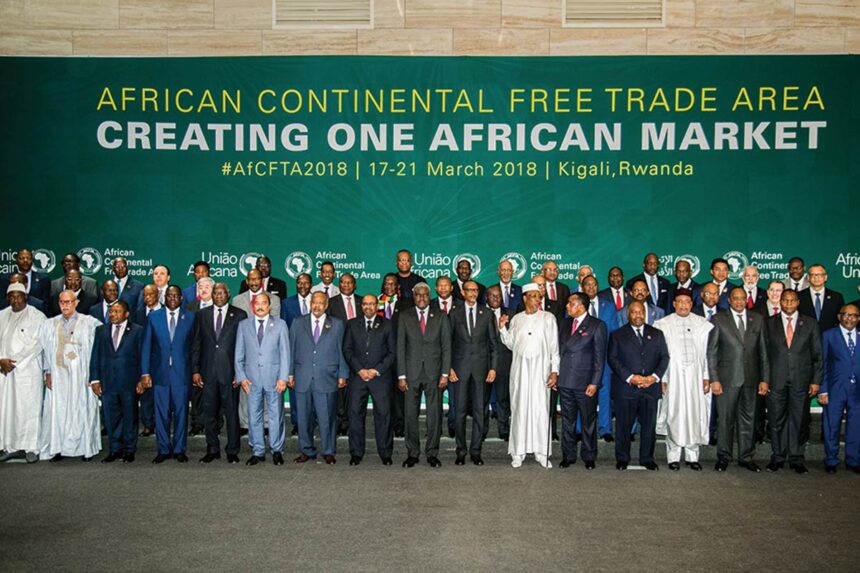
The African Continental Free Trade Area (AfCFTA) is steadily transforming economic relations across the continent. Designed to create the world’s largest free trade area by number of participating countries, the agreement aims to reduce barriers to commerce and stimulate economic growth.
For decades, African countries traded more extensively with markets outside the continent than with their neighbors. AfCFTA seeks to reverse this trend by lowering tariffs, harmonizing regulations, and encouraging cross-border investment. Policymakers believe stronger regional trade can reduce dependence on external markets and strengthen economic resilience.
Businesses are beginning to explore new opportunities in manufacturing, agriculture, logistics, and services. Small and medium-sized enterprises, which account for a significant share of employment across Africa, stand to benefit from expanded market access and reduced trading costs.
The agreement also has strategic significance. As global supply chains evolve and geopolitical competition increases, African leaders see regional integration as a pathway to greater economic sovereignty and bargaining power in international trade negotiations.
Despite its promise, implementation challenges remain. Infrastructure deficits, customs inefficiencies, and regulatory inconsistencies continue to slow progress. Nevertheless, momentum is growing as governments, businesses, and development institutions work together to unlock the full potential of continental trade.
If successfully implemented, AfCFTA could become one of the most important economic developments in modern African history, helping to create jobs, stimulate industrialization, and accelerate long-term growth.
Email Us on editorial@nnafrica.com