

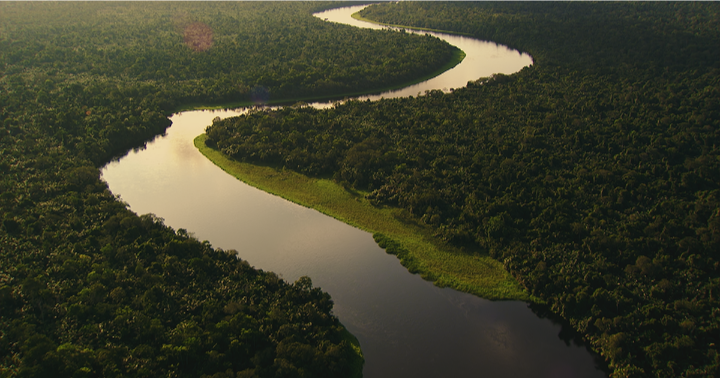
Stretching from the mighty Congo River to the dense rainforests of Central Africa, the Republic of the Congo is one of Africa’s most naturally gifted and culturally diverse nations. Often overshadowed by its larger neighbor, the Democratic Republic of the Congo, this remarkable country offers a unique blend of ancient traditions, pristine wilderness, and modern African life.
Known for its lush forests, remarkable biodiversity, and welcoming communities, the Republic of the Congo remains one of Africa’s hidden gems. Here, life is deeply connected to nature, with generations preserving customs that reflect a profound respect for the land, rivers, and forests that sustain them.
For travelers looking to experience authentic Central Africa, the Republic of the Congo offers a journey into one of the continent’s last great wildernesses, where culture and nature exist in perfect harmony.
Why the Congo Rainforest Is the Nation’s Greatest Treasure
The Republic of the Congo is home to vast sections of the Congo Basin, the world’s second-largest tropical rainforest after the Amazon.
This immense forest is one of the planet’s most important ecosystems, storing billions of tonnes of carbon while supporting thousands of plant and animal species.
For local communities, however, the rainforest is far more than an ecological wonder.
It provides food, medicine, building materials, and spiritual inspiration. Many traditional beliefs teach that people are caretakers of the forest, responsible for protecting its delicate balance for future generations.
The rainforest is not simply part of the landscape—it is part of the nation’s identity.
Indigenous Forest Communities and Their Timeless Wisdom
Among the Republic of the Congo’s greatest cultural treasures are its indigenous forest peoples.
For thousands of years, these communities have lived in close harmony with the rainforest, developing an extraordinary understanding of wildlife, medicinal plants, and seasonal cycles.
Their knowledge has been passed from one generation to another through storytelling, songs, rituals, and practical experience.
Today, scientists and conservationists increasingly recognize the value of this indigenous knowledge in protecting biodiversity and promoting sustainable environmental practices.
These traditions represent one of Africa’s oldest and most remarkable living cultural heritages.
The Congo River: The Highway That Built a Nation
The mighty Congo River has shaped the country’s history for centuries.
Flowing through the heart of Central Africa, the river has long served as a vital transportation route, connecting communities, supporting trade, and providing food through fishing.
Many towns and villages owe their existence to the river, which remains central to daily life for thousands of families.
Traditional fishing techniques, boat building, and riverside markets continue to reflect the close relationship between people and the waterways that sustain them.
More Than 70 Ethnic Groups, One Rich National Identity
The Republic of the Congo is home to more than seventy ethnic groups, each contributing unique customs, languages, music, and traditions.
Communities such as the Kongo, Teke, Mbochi, Sangha, and Kota have shaped the country’s cultural landscape through centuries of history.
Each group possesses distinctive ceremonies, artistic styles, and social traditions while sharing values of family, hospitality, and respect for elders.
This diversity has helped create a vibrant national identity that celebrates cultural differences as a source of strength.
Music and Dance: The Heartbeat of Congolese Society
Music is woven into every stage of life in the Republic of the Congo.
Traditional drums, wooden xylophones, rattles, and vocal harmonies accompany births, weddings, harvest celebrations, and religious ceremonies.
Dance often tells stories of ancestors, nature, and community life, transforming important events into memorable cultural celebrations.
In urban areas, traditional rhythms blend with modern musical styles, creating a vibrant cultural scene that continues to evolve while honoring its roots.
Wherever people gather, music remains a powerful expression of identity and unity.
What Congolese Cuisine Reveals About Local Culture
Food reflects both the country’s rich natural environment and its cultural diversity.
Cassava is a staple across much of the country, often served alongside fish, vegetables, peanuts, and flavorful sauces.
Plantains, maize, yams, and tropical fruits feature prominently in traditional meals, while the Congo River provides abundant freshwater fish.
Cooking is often a communal activity, with families preparing meals together and sharing food as an expression of hospitality and friendship.
For visitors, exploring local cuisine provides valuable insight into everyday Congolese life.
Wildlife That Inspires Wonder
The Republic of the Congo is among Africa’s premier wildlife destinations.
Its protected forests are home to western lowland gorillas, forest elephants, chimpanzees, bongos, and hundreds of bird species.
National parks such as Odzala-Kokoua have become internationally recognized for conservation and eco-tourism.
Many local legends and traditional beliefs are closely connected to wildlife, reflecting a deep respect for animals and the natural world.
This relationship between people and nature continues to shape cultural practices throughout the country.
Tradition and Faith Living Side by Side
Christianity is widely practiced throughout the Republic of the Congo, yet traditional beliefs continue to influence many aspects of community life.
Ancestral respect, local ceremonies, and cultural rituals remain important in many regions, often existing alongside modern religious practices.
This coexistence reflects the country’s ability to preserve its cultural heritage while embracing new influences.
Community gatherings, family ceremonies, and seasonal celebrations continue to reinforce these shared values.
How Young Congolese Are Protecting Their Heritage
Across the Republic of the Congo, young people are embracing education, technology, and entrepreneurship while remaining proud of their cultural roots.
Artists, musicians, filmmakers, and community organizations are documenting traditional dances, languages, folklore, and crafts for future generations.
Digital media has created new opportunities to showcase Congolese culture to audiences around the world.
This growing cultural confidence is helping ensure that ancient traditions remain relevant in the modern era.
Why the Republic of the Congo Is One of Africa’s Hidden Cultural Gems
The Republic of the Congo may not receive the attention given to many African tourist destinations, but its cultural and natural riches are among the continent’s finest.
Its rainforests preserve some of the world’s greatest biodiversity. Its rivers continue to sustain communities just as they have for centuries. Its traditions remain deeply rooted in everyday life, offering visitors an authentic glimpse into Central Africa’s enduring heritage.
For anyone seeking to experience Africa beyond the familiar destinations, the Republic of the Congo offers an unforgettable journey.
It is a country where the forest still teaches, the river still connects, and culture continues to thrive in harmony with nature.
Email Us on editorial@nnafrica.com