

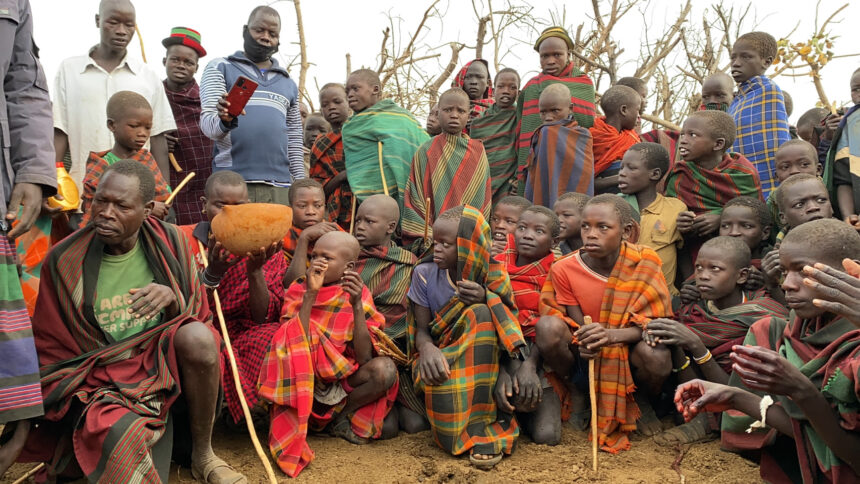
In the rugged mountains and sweeping valleys of northern Karamoja lives a community whose history is deeply intertwined with the land they call home. The Dodoth, known for their resilience, pastoral traditions, and close-knit families, have preserved a rich cultural heritage despite the many changes that have shaped northeastern Uganda.
While they share many traditions with other Karamoja communities, the Dodoth have developed a distinct identity rooted in the highlands of Kaabong District. Their customs, songs, ceremonies, and way of life continue to reflect generations of wisdom passed from elders to the youth.
For the Dodoth, culture is not simply remembered—it is lived every day.
Who Are the Dodoth?
The Dodoth are one of the major ethnic communities within the Karamoja cultural cluster. They primarily inhabit Kaabong District in the northernmost part of Karamoja, bordering South Sudan and Kenya.
Their homeland is characterized by dramatic mountains, rocky hills, open plains, and seasonal rivers, making it one of Uganda’s most unique landscapes. These geographical features have shaped their pastoral lifestyle and contributed to a strong sense of independence and resilience.
Although closely related to neighboring communities such as the Jie, Matheniko, Bokora, Pian, and Karamojong, the Dodoth maintain their own traditions, clan identities, and local customs.
Origins and History
The Dodoth trace their ancestry to the broader Eastern Nilotic migrations that settled across parts of present-day Uganda, Kenya, and South Sudan centuries ago.
As pastoralists, they adapted to the mountainous terrain by herding cattle, goats, and sheep while also practicing small-scale farming where rainfall permitted.
For generations, oral history has served as the community’s library, with elders preserving family lineages, migration stories, and moral teachings through storytelling and songs.
Cattle: The Foundation of Life
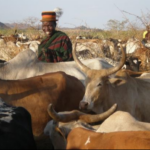
Among the Dodoth, cattle represent far more than economic wealth.
A family’s livestock symbolizes:
- Prosperity
- Family heritage
- Marriage negotiations
- Social respect
- Community identity
Children begin learning livestock management at an early age, gaining knowledge about grazing patterns, animal health, and the importance of protecting the herd.
Cattle also feature prominently in songs, ceremonies, and celebrations.
Language
The Dodoth speak Dodoth, an Eastern Nilotic language closely related to Ngakarimojong and Ngajie.
Although English and Kiswahili are becoming more common through education and public services, the Dodoth language remains central to preserving the community’s identity and oral traditions.
Traditional Homes
Dodoth families traditionally live in manyattas—circular homesteads enclosed with thorn fences designed to protect livestock and family members.
Within the enclosure are grass-thatched huts built using wooden poles and mud. The design offers protection from the harsh climate while strengthening family life, as several generations often live within the same homestead.
Food and Cuisine
The traditional Dodoth diet reflects both pastoralism and seasonal farming.
Common foods include:
- Sorghum porridge
- Millet bread
- Fresh and fermented milk
- Roasted meat
- Beans
- Cowpeas
- Honey
- Wild fruits gathered during the rainy season
Milk remains one of the community’s most treasured foods and plays an important role in hospitality and ceremonial gatherings.
Traditional Dress and Adornment
The Dodoth are recognized for their colorful traditional attire and detailed beadwork.
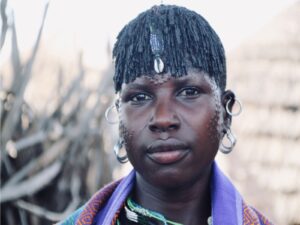
Men typically wear brightly colored wraps suitable for the warm climate, while women decorate themselves with layered necklaces, bracelets, earrings, waist beads, and handcrafted ornaments.
Many of these decorations indicate age, marital status, or achievements within the community.
Music and Dance
Music plays an essential role in Dodoth society.
Songs celebrate:
- Heroism
- Family
- Livestock
- Courtship
- Community history
- Harvests
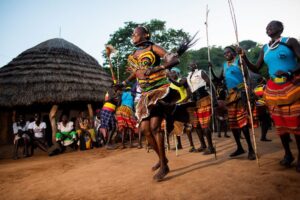
Traditional dances involve energetic jumping, rhythmic chanting, clapping, and communal participation, creating occasions that strengthen social bonds.
Marriage and Family Life
Marriage is regarded as a partnership between families rather than only between two individuals.
Bridewealth, traditionally paid in cattle, remains an important cultural practice. Family elders guide negotiations and help ensure marriages strengthen relationships between clans.
Respect for elders is deeply embedded in Dodoth society, and grandparents play a significant role in educating younger generations about customs and values.
Spiritual Beliefs
Historically, the Dodoth believed in a supreme creator and honored ancestors through rituals connected to rain, livestock, fertility, and community well-being.
Today, Christianity has become widespread, but many traditional ceremonies continue to coexist with Christian beliefs, reflecting the community’s respect for both faith and cultural heritage.
Economic Life Today
While livestock keeping remains central to Dodoth life, today’s economy is becoming increasingly diverse.
Many families also engage in:
- Crop farming
- Local trade
- Beekeeping
- Handicrafts
- Education
- Public service
- Conservation and tourism initiatives
Development projects have improved access to schools, healthcare, and roads, creating new opportunities while allowing many traditions to remain intact.
Challenges and Cultural Preservation
Like many indigenous communities, the Dodoth have adapted to changing environmental conditions, evolving livelihoods, and modernization.
Community leaders, educators, and cultural organizations continue working to preserve the Dodoth language, traditional knowledge, music, and ceremonies for future generations.
Young people increasingly balance education and modern careers with pride in their cultural identity.
Did You Know?
- The Dodoth homeland includes some of Uganda’s most spectacular mountain scenery.
- Livestock songs are an important form of oral history.
- Traditional beadwork often tells stories about family and social identity.
- Elders are respected as custodians of history and customary law.
Quick Facts
| Feature | Information |
|---|---|
| Region | Kaabong District, Northern Karamoja |
| Language | Dodoth |
| Cultural Group | Karamoja Cluster |
| Traditional Occupation | Pastoralism and farming |
| Main Livestock | Cattle, goats, and sheep |
| Traditional Home | Manyatta |
Conclusion
The Dodoth are among Uganda’s great cultural treasures. Their enduring connection to the land, their deep respect for family and tradition, and their remarkable resilience have enabled them to preserve a unique way of life through generations.
As Karamoja continues to evolve, the Dodoth remain proud custodians of a rich heritage that reflects the strength, diversity, and cultural wealth of Uganda.
Email Us on editorial@nnafrica.com