

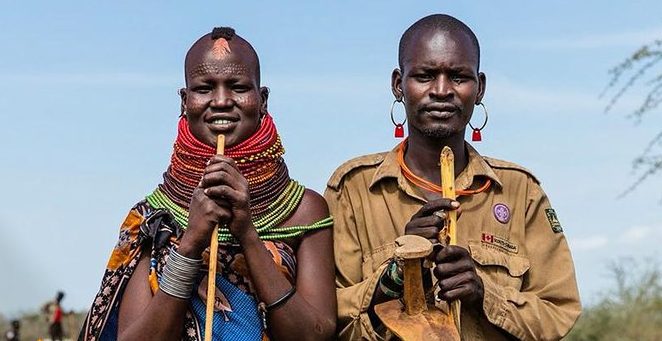
High in the rugged mountains along Uganda’s border with Kenya, where rocky cliffs meet breathtaking valleys, lives one of the country’s most remarkable indigenous communities—the Ik. Though small in number, the Ik possess a rich cultural heritage that has survived centuries of change, isolation, and resilience.
Unlike the pastoral communities of the Karamoja plains, the Ik have traditionally lived on mountain slopes, developing a way of life closely connected to farming, hunting, gathering, and the unique environment surrounding Mount Morungole.
Today, the Ik remain one of Uganda’s most fascinating cultural treasures, demonstrating how a small community can preserve its identity while embracing the opportunities of the modern world.
Who Are the Ik?
The Ik are among Uganda’s smallest indigenous ethnic communities. They primarily live on the slopes of Mount Morungole in Kaabong District, within the Karamoja sub-region.
Although they live near the Karamojong, Dodoth, and other Karamoja communities, the Ik have a distinct language, history, and cultural identity. Their mountainous homeland has helped preserve traditions that differ significantly from those of their pastoral neighbors.
Despite their relatively small population, the Ik are recognized as one of Uganda’s officially recognized indigenous communities.
Origins and History
The exact origins of the Ik continue to interest historians and anthropologists.
For centuries, the community lived by combining hunting, gathering, and small-scale farming. Their location in the remote mountains allowed them to develop a culture that remained largely independent of surrounding kingdoms and chiefdoms.
During the twentieth century, the creation of protected wildlife areas and changing land-use policies affected many aspects of traditional Ik life. In response, the community adapted by expanding farming and strengthening local economic activities while continuing to preserve important cultural traditions.
Their history is one of perseverance and adaptation.
Language
The Ik speak the Ik language, also known as Icetod. Unlike the Eastern Nilotic languages spoken by many neighboring communities, Ik belongs to a different branch of languages, making it unique within Uganda.
The language remains an essential part of community identity, carrying traditional stories, songs, proverbs, and ancestral knowledge from one generation to the next.
Community leaders and educators continue working to ensure that young people learn and preserve their mother tongue.
Traditional Homes
Ik homes are traditionally built using wood, mud, and grass thatch.
Villages are often located on mountain slopes, where homes are carefully positioned to make the best use of available land while providing protection from harsh weather.
Families frequently cultivate small gardens close to their homes, reflecting the community’s agricultural way of life.
Food and Cuisine
Unlike many neighboring pastoral communities, the Ik have traditionally relied more heavily on farming.
Common foods include:
- Sorghum
- Millet
- Maize
- Beans
- Sweet potatoes
- Vegetables
- Honey
- Wild fruits
Livestock such as goats and chickens are also kept by many families, while seasonal gathering of edible plants continues to supplement household diets.
Traditional Dress
Today, most Ik wear modern clothing similar to other Ugandan communities.
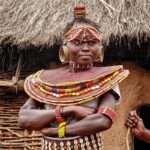
However, traditional ceremonies may include handmade ornaments, beadwork, and locally crafted accessories that celebrate cultural identity and important life events.
These traditions remain an important symbol of community pride.
Music and Dance
Music occupies a special place in Ik society.
Traditional songs are performed during:
- Weddings
- Harvest celebrations
- Community gatherings
- Naming ceremonies
- Cultural festivals
Songs often preserve stories about the community’s history, the surrounding mountains, and the values of cooperation, honesty, and resilience.
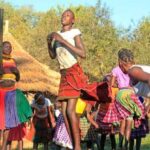
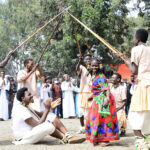
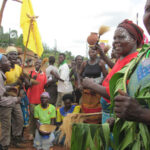
Group dances accompanied by rhythmic singing strengthen social bonds and celebrate important milestones.
Marriage and Family Life
Marriage among the Ik emphasizes cooperation between families.
Traditional ceremonies involve discussions between relatives, gift exchanges, blessings from elders, and communal celebrations.
Family remains the foundation of Ik society, with elders playing a respected role in teaching customs, resolving disputes, and preserving oral history.
Spiritual Beliefs
Historically, the Ik practiced traditional beliefs centered on nature, ancestral respect, and the spiritual significance of their mountain homeland.
Today, Christianity is widely practiced throughout the community. Nevertheless, many families continue to value traditional customs and ceremonies that celebrate their cultural heritage.
Economic Activities
Modern Ik communities engage in a variety of livelihoods, including:
- Crop farming
- Beekeeping
- Livestock keeping
- Handicrafts
- Small businesses
- Tourism-related activities
- Education
- Public service
Improved access to schools, healthcare, and roads has expanded opportunities while allowing the community to preserve its unique identity.
Protecting Ik Culture
Because of their relatively small population, preserving Ik culture has become a priority for community leaders, educators, and cultural organizations.
Efforts include:
- Teaching the Ik language to younger generations
- Recording oral histories and traditional songs
- Promoting cultural festivals
- Encouraging traditional crafts
- Supporting education that values indigenous heritage
These initiatives help ensure that the Ik’s remarkable history continues to inspire future generations.
Did You Know?
- The Ik are one of Uganda’s smallest indigenous communities.
- Their homeland is centered around Mount Morungole in Kaabong District.
- The Ik language is distinct from the languages spoken by most neighboring Karamoja communities.
- Their mountainous environment has shaped a unique culture centered on farming and community cooperation.
Quick Facts
| Feature | Information |
|---|---|
| Region | Mount Morungole, Kaabong District |
| Language | Ik (Icetod) |
| Cultural Group | Indigenous mountain community |
| Traditional Occupation | Farming, hunting, gathering, and beekeeping |
| Main Crops | Sorghum, millet, maize, beans |
| Traditional Home | Mud-and-thatch houses |
Conclusion
The Ik may be one of Uganda’s smallest indigenous communities, but their cultural significance is immense. Their language, traditions, and deep connection to the mountains of northeastern Uganda offer a unique perspective on the country’s extraordinary diversity.
As Uganda continues to celebrate and preserve its many cultures, the Ik stand as a powerful reminder that even the smallest communities hold invaluable knowledge, traditions, and histories. Their resilience and determination ensure that their heritage will continue to enrich Uganda’s cultural landscape for generations to come.
End of the Karamoja Cluster Series
Email Us on editorial@nnafrica.com