


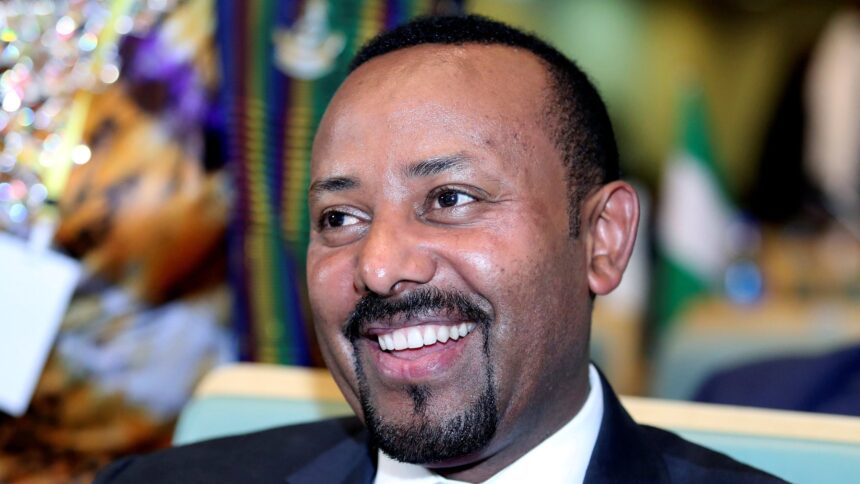
As millions of Ethiopians prepare for another crucial political chapter, one question dominates conversations from Addis Ababa to the country’s most remote villages: What comes next for Prime Minister Abiy Ahmed and Africa’s second-most populous nation?
Few African leaders have experienced a political journey as dramatic as Abiy Ahmed’s. When he came to power in 2018, he was celebrated as a reformer who promised democratic change, national reconciliation, and economic transformation. His efforts to make peace with neighboring Eritrea even earned him the Nobel Peace Prize.
Today, however, Ethiopia faces a very different reality.
The upcoming electoral process arrives at a time when the country is still recovering from years of conflict, economic strain, and political divisions. While the government points to infrastructure development, industrial growth, and improving stability in many regions, critics argue that significant challenges remain unresolved.
Why This Election Matters
Ethiopia is not just another African country. With a population exceeding 120 million people, it is one of the continent’s most influential nations politically, economically, and diplomatically.
The outcome of the election could shape:
- Regional security in the Horn of Africa
- Trade and investment across East Africa
- Relations with neighboring countries
- The future of Ethiopia’s economic reforms
Investors, diplomats, and African leaders are closely watching developments because Ethiopia’s stability affects the wider region.
The Economy: Progress and Pressure
The government has invested heavily in infrastructure, manufacturing, and energy projects. Massive developments such as industrial parks and hydroelectric projects have been promoted as symbols of a modernizing Ethiopia.
Yet ordinary citizens continue to face rising living costs.
Inflation has reduced purchasing power for many families, while unemployment remains a concern for the country’s growing youth population. For many voters, economic issues may outweigh political ideology when they cast their ballots.
Youth Could Decide the Future
More than half of Ethiopia’s population is under the age of 25.
This young generation is increasingly connected through social media and has become more vocal about governance, employment opportunities, education, and political representation.
Young voters are expected to play a decisive role in determining the country’s direction over the coming years.
Ethiopia’s Strategic Importance
The international community is paying close attention to Ethiopia because of its strategic location in the Horn of Africa.
The country serves as a key diplomatic player, hosts major African institutions, and plays an important role in regional peace and security efforts.
Any significant political changes could have consequences far beyond Ethiopia’s borders.
What Happens Next?
The election is about more than one leader.
It is a test of Ethiopia’s institutions, democratic processes, and ability to navigate complex national challenges while maintaining unity and economic progress.
Supporters believe Abiy Ahmed remains the best person to lead Ethiopia through a difficult transition period. Critics argue that new approaches are needed to address ongoing political and economic concerns.
Whatever the outcome, the world will be watching.
The decisions made in the coming months could define Ethiopia’s future for years—and perhaps decades—to come.
For a country that has long stood at the heart of African history, this may be one of its most important moments yet.
Email Us on editorial@nnafrica.com