
Friday, 9 Oct 2026
  • My Feed
  • My Saves
  • History
  • Contact Us
Subscribe
The News Network Africa
  • Home
  • Opinion

    South Sudan Takes on the UAE: Allegations of Complicity in Genocide at World Court.

    By
    Eric Mafundo

    Addressing the Growing Threat of Terrorism in Africa: A Focus on Global Counterterrorism Efforts.

    By
    Eric Mafundo

    The Karamojong: Uganda’s Proud Pastoral Warriors and Keepers of Ancient Traditions

    By
    Churchill Nkagumaho

    Behind the Headlines: Amongi’s call for Dr.Ruth Aceng’s Exit and Uganda’s Medical Landscape.

    By
    Eric Mafundo

    Rwanda: Where Intore Dance, Ancient Traditions, and a Culture of Resilience Shape the Land of a Thousand Hills

    By
    Hayley Sky

    Political Turmoil in Ivory Coast: Main Opposition Leader Excluded from Electoral List.

    By
    Eric Mafundo
  • Politics

    Regional Alliances: Strengthening Political Ties Across Africa

    By
    Hayley Sky
    Drones Reshape the Battlefield: A New Era in Sudan’s Civil War.

    Drones Reshape the Battlefield: A New Era in Sudan’s Civil War.

    By
    Eric Mafundo
    The art of conversation: 10 simple phrases that make people light up when you first meet them

    The art of conversation: 10 simple phrases that make people light up when you first meet them

    By
    Reporter
    IGG Begins Valuation of 17 Properties Recovered from Corrupt Officials

    IGG Begins Valuation of 17 Properties Recovered from Corrupt Officials

    By
    Hayley Sky
    Caught in the Crossfire: Cameroonians Trapped Between Separatists and Soldiers.

    Caught in the Crossfire: Cameroonians Trapped Between Separatists and Soldiers.

    By
    Eric Mafundo
    Tragedy in Yemen: Dozens of African Migrants Killed in U.S. Airstrike, Houthi Officials Report.

    Tragedy in Yemen: Dozens of African Migrants Killed in U.S. Airstrike, Houthi Officials Report.

    By
    Eric Mafundo
  • Business
    Kirsty Conventry: A New Era for Zimbabwean Sports as She Returns Home in Triumph.

    Kirsty Conventry: A New Era for Zimbabwean Sports as She Returns Home in Triumph.

    By
    Eric Mafundo
    Head of Libya’s National Oil Corporation resigns

    Head of Libya’s National Oil Corporation resigns

    By
    Churchill Nkagumaho
    UN rights chief warns worst may be ahead in east Congo conflict

    UN rights chief warns worst may be ahead in east Congo conflict

    By
    Hayley Sky
    Unity in Vision: African Leaders Convene in Addis Ababa to Mobilize for Agenda2063.

    Unity in Vision: African Leaders Convene in Addis Ababa to Mobilize for Agenda2063.

    By
    Eric Mafundo

    Bridging the Gap: The Importance of Civil Society in African Politics

    By
    Hayley Sky
    Unexpected Unity: How Nigeria’s Political Rivals Shared a Light-Hearted Moment at the Pope’s Inaugural Mass.

    Unexpected Unity: How Nigeria’s Political Rivals Shared a Light-Hearted Moment at the Pope’s Inaugural Mass.

    By
    Eric Mafundo
  • Pages
    • Advertise with US

Archives

  • October 2026
  • September 2026
  • August 2026
  • July 2026
  • June 2026
  • May 2026
  • April 2026
  • March 2026
  • February 2026
  • January 2026
  • December 2025
  • November 2025
  • October 2025
  • September 2025
  • August 2025
  • May 2025
  • April 2025
  • March 2025
  • February 2025
  • January 2025
  • December 2024

Categories

  • Agriculture
  • Business
  • Culture
  • Health
  • Lifestyle
  • Minerals
  • News
  • Opinion
  • Politics
  • Sports
  • Technology
  • Travel
  • Uganda
  • đŸ”¥
  • News
  • Politics
  • Business
  • Lifestyle
  • Culture
  • Opinion
  • Travel
  • Uganda
  • Minerals
  • Health
Font ResizerAa
The News Network AfricaThe News Network Africa
  • My Saves
  • My Feed
  • History
  • Travel
  • Opinion
  • Politics
  • Health
  • Technology
  • News
Search
  • Pages
    • Home
    • Advertise with Us
  • Personalized
    • My Feed
    • My Saves
    • History
  • Categories
    • News
    • Business
    • Minerals
    • Culture
    • Opinion
    • Politics
    • Agriculture
    • Health
    • Technology
    • Travel
Have an existing account? Sign In
Follow US
© 2025 The News Network Africa. All Rights Reserved.
The News Network Africa > Blog > Culture > Morocco: Where Ancient Medinas, Amazigh Heritage, and Imperial Cities Tell the Story of North Africa’s Cultural Crossroads
CultureTravel

Morocco: Where Ancient Medinas, Amazigh Heritage, and Imperial Cities Tell the Story of North Africa’s Cultural Crossroads

Hayley Sky
Last updated: 11 July 2026 12:31
Hayley Sky
Share
Morocco: Where Ancient Medinas, Amazigh Heritage, and Imperial Cities Tell the Story of North Africa’s Cultural Crossroads
SHARE

At the northwestern edge of Africa, where the Atlantic Ocean meets the Mediterranean Sea, lies a country that has fascinated travelers, scholars, and merchants for centuries. Morocco is a land of towering mountains, golden deserts, bustling medinas, and coastal towns, where African, Amazigh, Arab, Andalusian, Jewish, and Mediterranean influences have blended to create one of the continent’s richest cultural landscapes.

Contents
Why Morocco Has Been Africa’s Gateway to the WorldThe Amazigh: Keepers of Morocco’s Ancient HeritageThe Imperial Cities That Built a NationThe Medina: The Living Heart of Moroccan LifeThe Sahara: A Landscape of Silence and TraditionMoroccan Cuisine: A Celebration of Flavour and HospitalityMusic, Festivals, and Artistic ExpressionArchitecture That Blends Beauty with FunctionMountains, Coastlines, and Natural DiversityWhy Morocco Continues to Inspire the World

While Morocco is often admired for its colorful markets and magnificent architecture, its true character lies in the resilience of its people and the traditions they have carefully preserved across generations. Ancient caravan routes once crossed its deserts, imperial dynasties built magnificent cities, and artisans perfected crafts that continue to define Moroccan identity today.

- Advertisement -

For students, researchers, teachers, tourists, and members of the African diaspora, Morocco offers an unforgettable journey through centuries of history, culture, and innovation.

Why Morocco Has Been Africa’s Gateway to the World

Few African nations have occupied such an important geographical position as Morocco.

- Advertisement -

Located just a short distance from Europe, Morocco has served for thousands of years as a meeting place between Africa, Europe, and the Middle East. Phoenicians, Romans, Amazigh kingdoms, Arab dynasties, Andalusian refugees, and European traders all contributed to the country’s remarkable cultural heritage.

This continuous exchange of ideas transformed Morocco into one of Africa’s most influential civilizations, while allowing it to maintain a distinctly African identity.

Today, its strategic location continues to make Morocco a bridge between continents.

- Advertisement -

The Amazigh: Keepers of Morocco’s Ancient Heritage

Long before the rise of Morocco’s imperial cities, the Amazigh people were shaping the country’s history.

Their language, architecture, music, crafts, and agricultural traditions remain deeply rooted in Morocco’s mountains, valleys, and desert regions.

Traditional Amazigh villages built from stone and earth continue to dot the Atlas Mountains, while colorful carpets, silver jewelry, and intricate weaving techniques have become internationally recognized symbols of Moroccan craftsmanship.

In recent years, efforts to preserve Amazigh language and culture have strengthened appreciation for one of North Africa’s oldest living civilizations.

The Imperial Cities That Built a Nation

Morocco’s four historic imperial cities—Fez, Marrakech, Meknes, and Rabat—tell the story of centuries of political, religious, and cultural leadership.

Each city reflects a different chapter in Moroccan history.

Fez is renowned for its ancient university and labyrinthine medina, Marrakech captivates visitors with its lively squares and magnificent palaces, Meknes showcases grand imperial architecture, while Rabat combines historical monuments with its role as the modern capital.

Together, these cities preserve a remarkable architectural and cultural legacy.

The Medina: The Living Heart of Moroccan Life

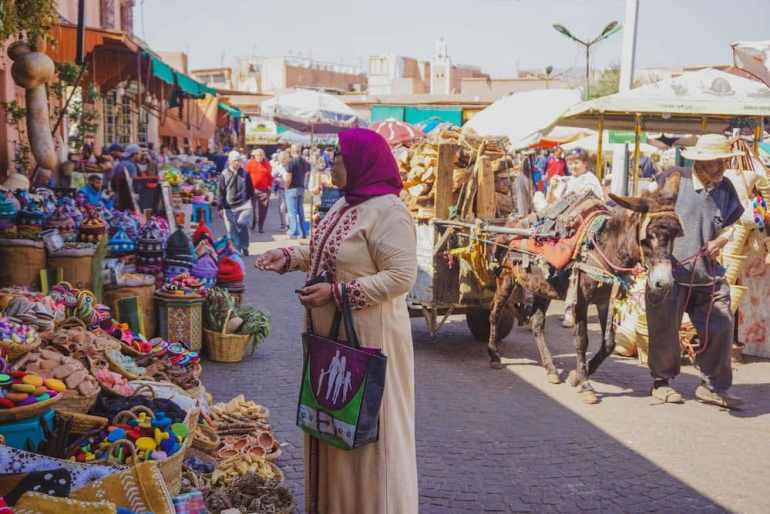
At the center of many Moroccan cities lies the medina—a historic old quarter where life has continued for centuries.

Within its winding alleys, artisans produce leather goods, ceramics, brassware, textiles, and handwoven carpets using techniques passed down through generations.

Markets overflow with spices, olives, traditional clothing, lanterns, and handcrafted treasures that reflect Morocco’s rich artistic traditions.

Far more than tourist attractions, these medinas remain vibrant communities where commerce, family life, and cultural heritage flourish side by side.

The Sahara: A Landscape of Silence and Tradition

Southern Morocco opens onto the vast Sahara Desert, where golden dunes stretch far beyond the horizon.

For centuries, Amazigh and nomadic communities crossed these landscapes with camel caravans carrying gold, salt, spices, and manuscripts between West Africa and North Africa.

Desert hospitality became legendary, with travelers welcomed through customs emphasizing generosity, respect, and shared meals.

Today, these traditions continue to shape life in Morocco’s desert regions while attracting visitors seeking authentic cultural experiences.

Moroccan Cuisine: A Celebration of Flavour and Hospitality

Food is one of Morocco’s greatest cultural ambassadors.

Traditional dishes such as tagine, couscous, pastilla, harira, and freshly baked bread showcase centuries of culinary exchange between Africa, the Mediterranean, and the Middle East.

Fragrant spices including saffron, cumin, cinnamon, ginger, and paprika create flavors recognized around the world.

Mint tea remains a cherished symbol of hospitality, often served to guests with warmth and ceremony.

Sharing meals strengthens family bonds and reflects Morocco’s enduring culture of generosity.

Music, Festivals, and Artistic Expression

Music has always occupied a special place in Moroccan society.

Traditional Amazigh songs, Andalusian orchestras, Gnawa spiritual music, and regional folk performances celebrate the country’s remarkable diversity.

Throughout the year, cultural festivals bring together musicians, storytellers, craftsmen, and artists from across Morocco and beyond.

These events preserve ancient traditions while encouraging new generations to celebrate their cultural identity.

Architecture That Blends Beauty with Function

Moroccan architecture is admired throughout the world for its elegance and craftsmanship.

Mosques, palaces, riads, kasbahs, and gardens feature intricate geometric designs, carved cedar wood, colorful zellige tilework, and peaceful courtyards designed to provide comfort in warm climates.

These architectural masterpieces demonstrate how art, engineering, and everyday life have long been intertwined in Moroccan culture.

Many historic buildings continue to serve their original purposes centuries after they were built.

Mountains, Coastlines, and Natural Diversity

Although Morocco is famous for its deserts, its landscapes are remarkably varied.

The Atlas Mountains provide fertile valleys, snow-covered peaks, and traditional villages, while the Atlantic and Mediterranean coastlines support fishing communities, historic ports, and beautiful beaches.

National parks protect forests, wildlife, and unique ecosystems that contribute to Morocco’s growing reputation for sustainable tourism.

This geographical diversity has helped shape the country’s regional cultures and ways of life.

Why Morocco Continues to Inspire the World

Morocco is much more than a destination of colorful markets and historic monuments.

It is a country where ancient traditions continue to thrive, where Amazigh heritage remains proudly preserved, and where centuries of cultural exchange have created one of Africa’s most vibrant societies.

Its imperial cities, breathtaking landscapes, remarkable cuisine, and artistic traditions offer lessons in resilience, creativity, and coexistence.

For students, researchers, teachers, tourists, and members of the African diaspora, Morocco provides a rich understanding of how history, culture, and geography can shape a nation.

From the narrow alleys of ancient medinas to the peaceful silence of the Sahara, Morocco reminds us that Africa’s northern frontier has long been a place where civilizations met, ideas flourished, and traditions endured.

Email Us on editorial@nnafrica.com
Share This Article
Facebook Whatsapp Whatsapp Telegram Email Copy Link
Previous Article The Alur: The Royal Heritage and Lakeside Culture of Uganda’s Northwestern Kingdom The Alur: The Royal Heritage and Lakeside Culture of Uganda’s Northwestern Kingdom
Next Article Mozambique: Where the Indian Ocean, Island Cultures, and Timeless Traditions Shape Southeast Africa’s Cultural Soul Mozambique: Where the Indian Ocean, Island Cultures, and Timeless Traditions Shape Southeast Africa’s Cultural Soul

Latest Posts

SAS helps illuminate the health impact of solar power in rural Uganda
News
Anxiety, hope and healing: YouVersion reveals what Africans are searching for in the Bible this year
Lifestyle
Rivers State, Nigeria: Kalabari Unites for Historic Coronation of Amanyanabo of the Source, As 16-Unit Committee Takes Charge
Culture News
Recharge and Reset: How the Bible Can Help You Finish the Year Strong
News

Opinions

Social interaction is essential for healthy childhood development
News Opinion
PRIDE and Family Chaos: Saying sorry heals and mends friendships
Lifestyle Opinion
The Tongue, the main reason for divorce today
Lifestyle Opinion
Constitutions must serve citizens, not political power
Opinion

You Might Also Like

Why has Ivory Coast’s national dish attieke become a global icon?
CultureLifestyleNews

Why has Ivory Coast’s national dish attieke become a global icon?

By
K Allen
Video: Did you know a tribe where men beating is a culture?
CultureLifestyle

Video: Did you know a tribe where men beating is a culture?

By
Reporter
‘A living hell’: Sudanese women face rape and abuse in Libya
CultureLifestyleTravel

‘A living hell’: Sudanese women face rape and abuse in Libya

By
Churchill Nkagumaho
Who was St Valentine and why is he associated with love?
CultureLifestyle

Who was St Valentine and why is he associated with love?

By
K Allen
The News Network Africa
X-twitter Facebook Rss

About US


The News Network Africa: Your instant connection to breaking stories and live updates. Stay informed with our real-time coverage across minerals, culture, politics, business, tech, entertainment, and more. Your reliable source for 24/7 news.

Top Categories
  • News
  • Opinion
  • Politics
  • Tech
  • Health
  • Travel
Usefull Links
  • Advertise with Us
  • Complaint
  • Privacy Policy
  • Cookie Policy
  • Submit a Tip

© The News Network Africa. All Rights Reserved.

Welcome Back!

Sign in to your account

Username or Email Address
Password

Lost your password?