

At the northwestern edge of Africa, where the Atlantic Ocean meets the Mediterranean Sea, lies a country that has fascinated travelers, scholars, and merchants for centuries. Morocco is a land of towering mountains, golden deserts, bustling medinas, and coastal towns, where African, Amazigh, Arab, Andalusian, Jewish, and Mediterranean influences have blended to create one of the continent’s richest cultural landscapes.
While Morocco is often admired for its colorful markets and magnificent architecture, its true character lies in the resilience of its people and the traditions they have carefully preserved across generations. Ancient caravan routes once crossed its deserts, imperial dynasties built magnificent cities, and artisans perfected crafts that continue to define Moroccan identity today.
For students, researchers, teachers, tourists, and members of the African diaspora, Morocco offers an unforgettable journey through centuries of history, culture, and innovation.
Why Morocco Has Been Africa’s Gateway to the World
Few African nations have occupied such an important geographical position as Morocco.
Located just a short distance from Europe, Morocco has served for thousands of years as a meeting place between Africa, Europe, and the Middle East. Phoenicians, Romans, Amazigh kingdoms, Arab dynasties, Andalusian refugees, and European traders all contributed to the country’s remarkable cultural heritage.
This continuous exchange of ideas transformed Morocco into one of Africa’s most influential civilizations, while allowing it to maintain a distinctly African identity.
Today, its strategic location continues to make Morocco a bridge between continents.
The Amazigh: Keepers of Morocco’s Ancient Heritage
Long before the rise of Morocco’s imperial cities, the Amazigh people were shaping the country’s history.
Their language, architecture, music, crafts, and agricultural traditions remain deeply rooted in Morocco’s mountains, valleys, and desert regions.
Traditional Amazigh villages built from stone and earth continue to dot the Atlas Mountains, while colorful carpets, silver jewelry, and intricate weaving techniques have become internationally recognized symbols of Moroccan craftsmanship.
In recent years, efforts to preserve Amazigh language and culture have strengthened appreciation for one of North Africa’s oldest living civilizations.
The Imperial Cities That Built a Nation
Morocco’s four historic imperial cities—Fez, Marrakech, Meknes, and Rabat—tell the story of centuries of political, religious, and cultural leadership.
Each city reflects a different chapter in Moroccan history.
Fez is renowned for its ancient university and labyrinthine medina, Marrakech captivates visitors with its lively squares and magnificent palaces, Meknes showcases grand imperial architecture, while Rabat combines historical monuments with its role as the modern capital.
Together, these cities preserve a remarkable architectural and cultural legacy.
The Medina: The Living Heart of Moroccan Life
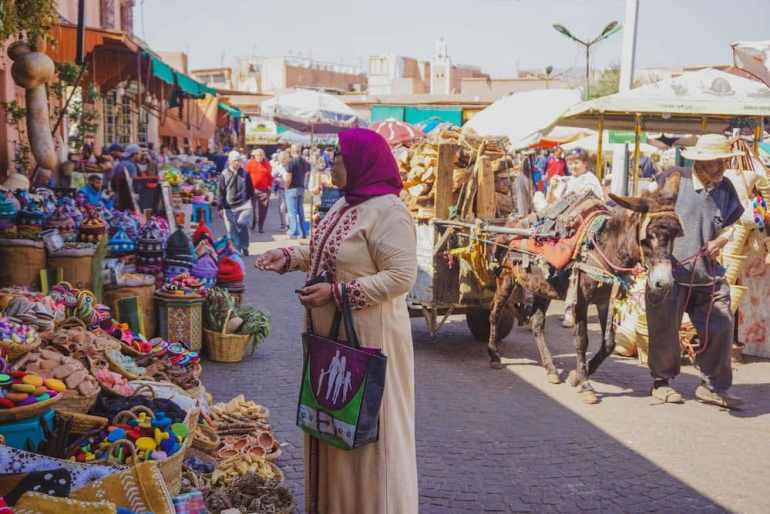
At the center of many Moroccan cities lies the medina—a historic old quarter where life has continued for centuries.
Within its winding alleys, artisans produce leather goods, ceramics, brassware, textiles, and handwoven carpets using techniques passed down through generations.
Markets overflow with spices, olives, traditional clothing, lanterns, and handcrafted treasures that reflect Morocco’s rich artistic traditions.
Far more than tourist attractions, these medinas remain vibrant communities where commerce, family life, and cultural heritage flourish side by side.
The Sahara: A Landscape of Silence and Tradition
Southern Morocco opens onto the vast Sahara Desert, where golden dunes stretch far beyond the horizon.
For centuries, Amazigh and nomadic communities crossed these landscapes with camel caravans carrying gold, salt, spices, and manuscripts between West Africa and North Africa.
Desert hospitality became legendary, with travelers welcomed through customs emphasizing generosity, respect, and shared meals.
Today, these traditions continue to shape life in Morocco’s desert regions while attracting visitors seeking authentic cultural experiences.
Moroccan Cuisine: A Celebration of Flavour and Hospitality
Food is one of Morocco’s greatest cultural ambassadors.
Traditional dishes such as tagine, couscous, pastilla, harira, and freshly baked bread showcase centuries of culinary exchange between Africa, the Mediterranean, and the Middle East.
Fragrant spices including saffron, cumin, cinnamon, ginger, and paprika create flavors recognized around the world.
Mint tea remains a cherished symbol of hospitality, often served to guests with warmth and ceremony.
Sharing meals strengthens family bonds and reflects Morocco’s enduring culture of generosity.
Music, Festivals, and Artistic Expression
Music has always occupied a special place in Moroccan society.
Traditional Amazigh songs, Andalusian orchestras, Gnawa spiritual music, and regional folk performances celebrate the country’s remarkable diversity.
Throughout the year, cultural festivals bring together musicians, storytellers, craftsmen, and artists from across Morocco and beyond.
These events preserve ancient traditions while encouraging new generations to celebrate their cultural identity.
Architecture That Blends Beauty with Function
Moroccan architecture is admired throughout the world for its elegance and craftsmanship.
Mosques, palaces, riads, kasbahs, and gardens feature intricate geometric designs, carved cedar wood, colorful zellige tilework, and peaceful courtyards designed to provide comfort in warm climates.
These architectural masterpieces demonstrate how art, engineering, and everyday life have long been intertwined in Moroccan culture.
Many historic buildings continue to serve their original purposes centuries after they were built.
Mountains, Coastlines, and Natural Diversity
Although Morocco is famous for its deserts, its landscapes are remarkably varied.
The Atlas Mountains provide fertile valleys, snow-covered peaks, and traditional villages, while the Atlantic and Mediterranean coastlines support fishing communities, historic ports, and beautiful beaches.
National parks protect forests, wildlife, and unique ecosystems that contribute to Morocco’s growing reputation for sustainable tourism.
This geographical diversity has helped shape the country’s regional cultures and ways of life.
Why Morocco Continues to Inspire the World
Morocco is much more than a destination of colorful markets and historic monuments.
It is a country where ancient traditions continue to thrive, where Amazigh heritage remains proudly preserved, and where centuries of cultural exchange have created one of Africa’s most vibrant societies.
Its imperial cities, breathtaking landscapes, remarkable cuisine, and artistic traditions offer lessons in resilience, creativity, and coexistence.
For students, researchers, teachers, tourists, and members of the African diaspora, Morocco provides a rich understanding of how history, culture, and geography can shape a nation.
From the narrow alleys of ancient medinas to the peaceful silence of the Sahara, Morocco reminds us that Africa’s northern frontier has long been a place where civilizations met, ideas flourished, and traditions endured.
Email Us on editorial@nnafrica.com