

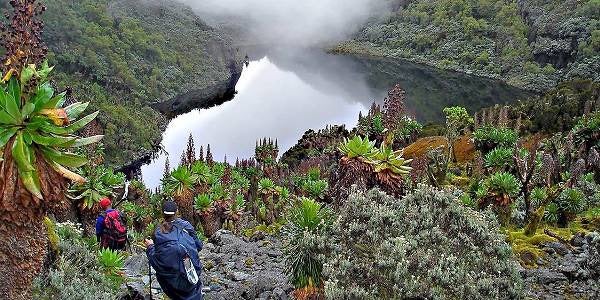
Along the lush foothills of the Rwenzori Mountains, where dense forests meet fertile valleys and rivers wind through the landscape, lives the Bamba community. For generations, the Bamba have maintained a close relationship with the forests and mountains that have shaped their culture, livelihoods, and traditions.
Known for their rich oral traditions, farming skills, music, and deep respect for nature, the Bamba have preserved a unique cultural identity while adapting to modern life. Their history is closely intertwined with that of the Bakonzo, yet they retain their own language, customs, and traditions.
Today, the Bamba remain proud custodians of one of Uganda’s most fascinating cultural heritages.
Who Are the Bamba?
The Bamba are a Bantu-speaking people indigenous to the Rwenzori region of western Uganda.
They are found mainly in Bundibugyo District, with smaller communities in Ntoroko and neighboring areas. Related Bamba communities also live across the border in the Democratic Republic of the Congo.
The Bamba are among Uganda’s officially recognized indigenous communities and share the cultural institution of the Obusinga Bwa Rwenzururu with the Bakonzo.
Origins and History
The Bamba have lived around the Rwenzori Mountains for centuries, developing a way of life closely connected to forests, rivers, and fertile land.
Historically, they organized themselves through clans under respected elders rather than centralized kingdoms. Their culture evolved through farming, hunting, gathering forest products, and trade with neighboring communities.
During the twentieth century, the Bamba and Bakonzo jointly advocated for greater cultural recognition, leading to the establishment and official recognition of the Obusinga Bwa Rwenzururu.
The Obusinga Bwa Rwenzururu
The cultural institution serves both the Bamba and the Bakonzo.
The Omusinga promotes:
- Cultural preservation
- Community unity
- Education
- Peacebuilding
- Youth empowerment
- Traditional leadership
The kingdom continues to preserve the customs and languages of both communities while encouraging cooperation throughout the Rwenzori region.
Clans and Family Life
The Bamba are organized into clans that guide many aspects of community life.
Clans play an important role in:
- Marriage customs
- Family identity
- Cultural ceremonies
- Conflict resolution
- Preserving oral traditions
Respect for elders remains one of the most cherished values within Bamba society.
Language
The Bamba speak Lubwisi (also known as Kibwisi), a Bantu language distinct from Lukonzo.
Lubwisi remains widely spoken in homes and communities throughout Bundibugyo District and continues to be promoted through schools, churches, local media, and cultural activities.
Traditional stories, songs, and proverbs remain important tools for preserving community history and values.
Life in the Forested Highlands
The forests surrounding the Rwenzori Mountains have always played an important role in Bamba culture.
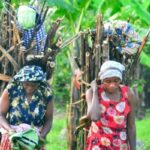
Traditionally, families depended on the forests for:
- Medicinal plants
- Firewood
- Honey
- Wild fruits
- Building materials
Although conservation policies have changed access to forest resources, the Bamba continue to maintain a deep respect for the natural environment.
Food and Cuisine
The fertile foothills of the Rwenzori Mountains provide excellent conditions for farming.
Popular traditional foods include:
- Matooke
- Cassava
- Sweet potatoes
- Beans
- Maize
- Groundnut sauce
- Yams
- Vegetables
- Goat meat
- Beef
Bananas, cocoa, coffee, and vanilla are important crops that support many households.
Traditional Dress
Modern clothing is widely worn today.
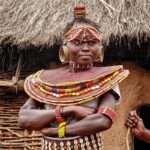
During weddings, cultural festivals, and traditional ceremonies, many Bamba wear colorful attire, handmade beadwork, and cultural ornaments that celebrate their heritage.
Traditional clothing remains an important symbol of identity during community events.
Music and Dance
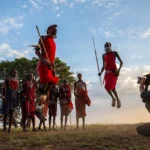
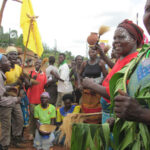
Music and dance are central to Bamba cultural life.
Traditional performances celebrate:
- Weddings
- Harvest festivals
- Cultural ceremonies
- Birth celebrations
- Community gatherings
Songs often preserve historical events, praise respected elders, and celebrate the beauty of the Rwenzori region.
Traditional drums, rattles, and singing accompany lively dances that bring together all generations.
Marriage Customs
Marriage is viewed as a union between families rather than simply two individuals.
Traditional ceremonies involve:
- Family introductions
- Bridewealth discussions
- Blessings from elders
- Music and dance
- Community feasts
Marriage strengthens relationships between clans and promotes social harmony.
Spiritual Beliefs
Historically, the Bamba believed in a supreme creator and respected sacred forests, rivers, and ancestral traditions.
Today, Christianity is the dominant religion, although many traditional customs continue to influence cultural ceremonies and family life.
Economic Activities
The Bamba participate in a wide range of economic activities.
Major sources of livelihood include:
- Cocoa farming
- Coffee production
- Banana cultivation
- Vanilla farming
- Livestock keeping
- Trade
- Tourism
- Education
- Small businesses
Bundibugyo is one of Uganda’s leading cocoa-producing districts, making cocoa an important source of household income.
Preserving Bamba Heritage
Community leaders, educators, and the Obusinga Bwa Rwenzururu continue working to preserve Lubwisi, traditional music, oral literature, dances, and cultural practices.
Festivals, schools, and cultural centers help ensure that younger generations remain connected to their heritage while embracing modern opportunities.
Did You Know?
- The Bamba and Bakonzo share the Obusinga Bwa Rwenzururu cultural institution.
- Lubwisi is distinct from Lukonzo despite the close relationship between the two communities.
- Bundibugyo is one of Uganda’s leading cocoa-producing regions.
- The Bamba have traditionally maintained a close relationship with the forests of the Rwenzori Mountains.
- Their oral traditions remain an important source of community history.
Quick Facts
| Feature | Information |
|---|---|
| Region | Bundibugyo and Ntoroko Districts |
| Cultural Institution | Obusinga Bwa Rwenzururu |
| Traditional Leader | Omusinga |
| Language | Lubwisi (Kibwisi) |
| Main Economic Activities | Cocoa, coffee, farming, trade |
| Famous Landscape | Rwenzori foothills |
Conclusion
The Bamba are a resilient and culturally rich community whose history is deeply rooted in the forests and foothills of the Rwenzori Mountains. Their language, traditions, music, and respect for nature have helped preserve a unique identity that continues to flourish despite changing times.
As Uganda celebrates its cultural diversity, the Bamba stand as a testament to the strength of indigenous traditions and the enduring bond between people and their environment. Their heritage remains an important part of the nation’s cultural mosaic and an inspiration for future generations.
Email Us on editorial@nnafrica.com