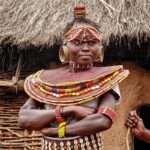


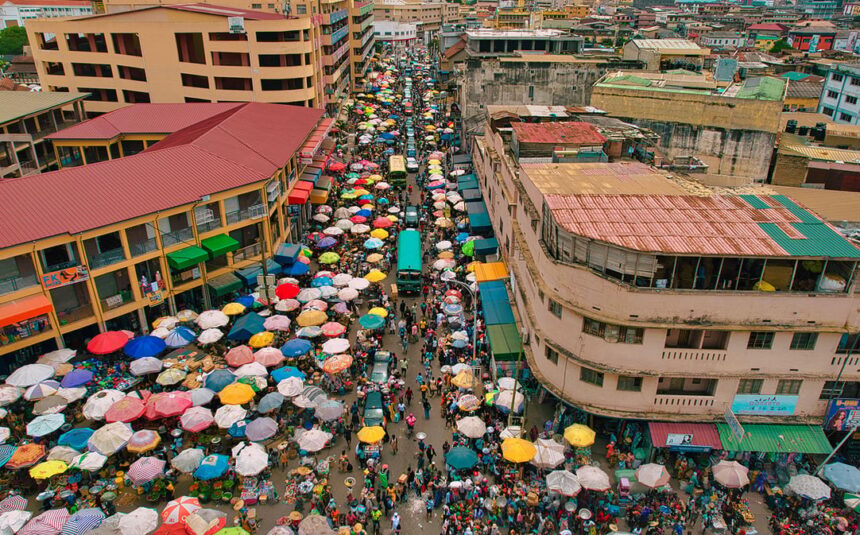
For centuries, Ghana has stood at the crossroads of African history, wealth, and culture. Once known as the Gold Coast, this West African nation became famous for its abundant gold, powerful kingdoms, and thriving trade networks that attracted merchants from across the world. Today, Ghana continues to shine—not only for its economic significance but also for its rich traditions, vibrant festivals, and enduring spirit of unity.
Modern Ghana is a fascinating blend of ancient customs and contemporary life. Bustling cities like Accra pulse with innovation and creativity, while traditional villages preserve customs that have been passed down for generations. Whether exploring historic castles, colorful markets, or royal palaces, visitors quickly discover that Ghana’s greatest treasure is its people and their deep pride in their cultural heritage.
From the rhythmic beat of traditional drums to the colorful display of Kente cloth, Ghana tells a story that continues to inspire Africa and the world.
Why the Ashanti Kingdom Remains a Symbol of African Greatness
No discussion of Ghana’s culture is complete without the Ashanti Kingdom.
Founded in the 17th century, the Ashanti Empire became one of Africa’s most powerful and sophisticated kingdoms, renowned for its wealth, military organization, governance, and craftsmanship.
At the heart of Ashanti tradition is the Golden Stool, a sacred symbol representing the unity and soul of the Ashanti people. Chiefs continue to play an important role in preserving customs, resolving disputes, and strengthening community life.
The kingdom’s influence extends far beyond history books. Its traditions continue to shape modern Ghanaian identity and remain a source of immense national pride.
Kente Cloth: The Fabric That Tells Stories
Among Ghana’s most recognizable cultural treasures is Kente cloth.
Handwoven using brightly colored silk and cotton threads, Kente is far more than beautiful fabric. Every pattern and color carries symbolic meaning, representing values such as wisdom, courage, leadership, unity, and prosperity.
Originally worn by royalty, Kente has become a powerful symbol of African identity celebrated around the world.
Visitors to Ghana can watch skilled weavers transform individual threads into breathtaking works of art using techniques perfected over centuries.
Festivals That Bring Communities to Life
Ghana’s calendar is filled with vibrant festivals celebrating history, harvests, traditional leadership, and community values.
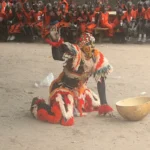
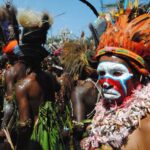
Events such as Homowo, Aboakyir, Hogbetsotso, and Odwira attract thousands of participants dressed in colorful traditional attire.
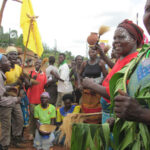
These celebrations feature energetic drumming, dancing, storytelling, processions, and communal feasts that unite generations.
Each festival reflects the unique history of the community while reinforcing values of gratitude, unity, and cultural continuity.
For many visitors, attending a Ghanaian festival is one of the country’s most unforgettable experiences.
The Coastal Castles That Tell Powerful Stories
Stretching along Ghana’s Atlantic coastline are dozens of historic forts and castles that bear witness to centuries of trade and human history.
These imposing structures reflect Ghana’s role in global commerce and its complex historical connections with Europe, the Americas, and the wider African continent.
Today, many of these sites have become places of education, remembrance, and reflection, welcoming visitors from across the African diaspora who seek to reconnect with their ancestral heritage.
They stand as powerful reminders of both resilience and hope.
Traditional Chiefs and the Wisdom of Community Leadership
Across Ghana, traditional leaders continue to play respected roles alongside modern institutions.
Chiefs serve as custodians of land, culture, and community traditions while helping resolve disputes and preserve local customs.
Traditional councils remain active in many parts of the country, ensuring that centuries-old governance systems continue to complement contemporary society.
Respect for elders and traditional authority remains deeply embedded in Ghanaian culture.
Ghanaian Cuisine: A Celebration of Bold Flavours
Food is one of Ghana’s greatest expressions of hospitality.
Popular dishes such as jollof rice, fufu, banku, waakye, kenkey, and light soup reflect the country’s agricultural abundance and regional diversity.
Fresh seafood, plantains, cassava, yams, maize, groundnuts, and aromatic spices create meals that are both nourishing and deeply satisfying.
Meals are often enjoyed with family and friends, reinforcing the strong social bonds that define Ghanaian life.
Across the country, bustling food markets showcase the rich culinary traditions that continue to evolve while honoring the past.
Music and Dance That Echo Across Africa
Ghana has played a major role in shaping African music.
Traditional drumming remains central to ceremonies, festivals, and storytelling, while musical styles such as Highlife originated in Ghana before influencing artists across the continent.
Today, Ghanaian musicians continue to blend traditional rhythms with Afrobeats, gospel, hip-hop, and contemporary sounds that reach global audiences.
Dance remains equally important, serving as a joyful expression of identity during celebrations, family gatherings, and national events.
Music is not simply entertainment in Ghana—it is part of everyday life.
The Warm Hospitality That Defines Ghana
One of Ghana’s most celebrated qualities is the warmth of its people.
Visitors are often welcomed with genuine kindness, whether in rural villages, busy cities, or coastal communities.
Hospitality is considered a shared cultural value rooted in respect, generosity, and community spirit.
Strong family ties, neighborhood cooperation, and a willingness to help others continue to shape Ghanaian society.
It is this welcoming atmosphere that has earned Ghana a reputation as one of Africa’s friendliest destinations.
A New Generation Celebrating Heritage Through Innovation
Ghana’s youthful population is helping preserve tradition while embracing modern opportunities.
Young entrepreneurs, artists, filmmakers, designers, and technology innovators are proudly showcasing Ghanaian culture on the global stage.
Traditional crafts, fashion, music, and cuisine are reaching new audiences through digital platforms and international collaborations.
By blending innovation with heritage, Ghana’s younger generation is ensuring that the country’s rich traditions remain vibrant for years to come.
Why Ghana Is One of Africa’s Cultural Giants
Ghana’s influence reaches far beyond its borders.
Its kingdoms shaped West African history. Its gold attracted the world. Its festivals celebrate centuries of tradition. Its music inspires millions, and its people continue to demonstrate the values of unity, hospitality, and resilience.
Whether exploring ancient royal palaces, vibrant markets, historic castles, or colorful festivals, visitors discover a country where culture is woven into every aspect of life.
Ghana is more than a destination—it is a celebration of Africa’s past, present, and future.
For anyone seeking to experience the true spirit of West Africa, Ghana offers an unforgettable journey through history, creativity, and enduring cultural pride.
Email Us on editorial@nnafrica.com