

Guinea is often called the “Water Tower of West Africa,” and for good reason. Its majestic Fouta Djallon Highlands give rise to some of the continent’s most important rivers, including the Niger, Senegal, and Gambia. But beyond its breathtaking landscapes lies a nation blessed with extraordinary cultural diversity, timeless traditions, and one of Africa’s richest musical legacies.
Although Guinea is endowed with vast mineral wealth, its greatest riches are found in its people. Across rolling mountains, lush forests, and bustling cities, generations have preserved customs that celebrate family, storytelling, craftsmanship, and community life.
For travelers searching for an authentic West African experience, Guinea offers a fascinating journey where natural beauty and cultural heritage are inseparable.
Why the Fouta Djallon Is the Heart of Guinea
The Fouta Djallon Highlands are more than just a spectacular landscape—they are the cradle of Guinea’s identity.
Known for their cool climate, dramatic waterfalls, fertile valleys, and scenic plateaus, these highlands have supported farming communities for centuries.
The region also serves as the source of several major African rivers, making it one of the continent’s most important ecological areas.
Traditional villages nestled among the hills continue to preserve customs, architecture, and farming techniques that have changed little over generations.
For many Guineans, the Fouta Djallon is both a natural treasure and a symbol of national pride.
A Nation Woven Together by Many Cultures
Guinea is home to more than 30 ethnic groups, each contributing unique languages, traditions, and customs.
The Fulani (Peul), Malinké, Susu, Kissi, Toma, and numerous other communities enrich the country’s cultural landscape through music, festivals, oral traditions, and craftsmanship.
Each group maintains distinctive ceremonies, clothing, and social customs while sharing values of hospitality, respect, and family unity.
This diversity makes Guinea one of West Africa’s most culturally vibrant nations.
The Birthplace of Some of Africa’s Greatest Musicians
Music is woven into Guinea’s national identity.
The country has produced legendary musicians whose influence extends across Africa and beyond. Traditional rhythms played on instruments such as the kora, balafon, djembe, and bolon continue to accompany weddings, naming ceremonies, harvest festivals, and community celebrations.
Songs preserve history, honor ancestors, and pass cultural knowledge from one generation to another.
Modern Guinean artists continue to blend traditional sounds with contemporary genres, ensuring that the country’s musical heritage remains alive for new audiences.
The Griots Who Keep History Alive
Before written history became widespread, Guinea relied on griots to preserve its collective memory.
These respected storytellers, poets, historians, and musicians carry centuries of family genealogies, historical events, and moral teachings through oral performance.
Their role extends beyond entertainment.
Griots are guardians of culture, advising leaders, educating younger generations, and ensuring that important stories are never forgotten.
Their performances remain an essential feature of ceremonies throughout Guinea today.
Traditional Markets That Showcase Everyday Life
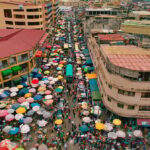
Guinea’s colorful markets are among the country’s most vibrant cultural experiences.
From Conakry’s busy streets to rural trading centers, markets offer fresh produce, handcrafted textiles, carved wooden items, jewelry, spices, and traditional medicines.
These lively gathering places are more than commercial centers—they are social spaces where friendships are strengthened, news is shared, and community life unfolds.
Exploring a Guinean market offers visitors a genuine glimpse into everyday life.
Guinean Cuisine: Flavours Rooted in Tradition
Food reflects Guinea’s agricultural abundance and cultural diversity.
Rice serves as the staple of many meals, accompanied by sauces made with peanuts, leafy vegetables, tomatoes, fish, chicken, or beef.
Cassava, plantains, maize, tropical fruits, and locally grown vegetables also feature prominently in traditional cooking.
Meals are often enjoyed communally, emphasizing hospitality and family togetherness.
Every region adds its own distinctive ingredients and recipes, creating a rich culinary tradition that reflects Guinea’s diverse cultural heritage.
Festivals That Celebrate Identity and Community
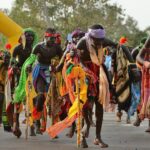
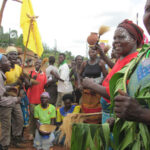
Throughout the year, communities across Guinea celebrate cultural festivals that honor history, harvests, and traditional leadership.
These events feature elaborate dances, colorful clothing, drumming, wrestling competitions, storytelling, and communal feasts.
Festivals provide opportunities for younger generations to learn about their heritage while strengthening social bonds within communities.
For visitors, these celebrations reveal the joy, creativity, and resilience that characterize Guinean culture.
Nature and Wildlife Beyond the Highlands
Guinea’s natural beauty extends far beyond the Fouta Djallon.
Dense forests, mangrove coastlines, rivers, and protected national parks support chimpanzees, rare birds, antelopes, and countless other species.
Many rural communities maintain traditional beliefs emphasizing respect for forests, rivers, and wildlife, recognizing their importance for future generations.
Eco-tourism is gradually creating new opportunities to protect these remarkable landscapes while supporting local livelihoods.
Young Guineans Preserving Tradition in a Changing World
Guinea’s youthful population is embracing education, entrepreneurship, technology, and the arts while remaining proud of its cultural heritage.
Young musicians, fashion designers, filmmakers, and entrepreneurs are introducing Guinean traditions to global audiences through digital platforms and creative industries.
At the same time, elders continue passing on traditional knowledge through storytelling, music, and community ceremonies.
This partnership between generations is helping ensure that Guinea’s cultural legacy continues to thrive.
Why Guinea Deserves Greater Recognition
Guinea is often overlooked by international travelers, yet it possesses many of West Africa’s greatest cultural and natural treasures.
Its mountains give birth to mighty rivers that nourish millions across the continent. Its music has influenced generations of African artists. Its traditions remain deeply rooted in community life, and its people continue to celebrate hospitality with warmth and pride.
For those willing to explore beyond the well-known destinations, Guinea offers an authentic experience filled with breathtaking landscapes, living traditions, and unforgettable cultural encounters.
It is a country where rivers begin their journey, where music tells the story of a nation, and where ancient customs continue to shape modern life.
Guinea is not simply a place to visit—it is a destination to experience with every sense.
Email Us on editorial@nnafrica.com