

Nestled along the winding Gambia River and almost entirely surrounded by Senegal, The Gambia may be Africa’s smallest mainland country, but its cultural richness far exceeds its size. Often called “The Smiling Coast of Africa,” the nation is renowned for its warm hospitality, vibrant traditions, colorful festivals, and peaceful way of life.
For centuries, the Gambia River has served as the country’s lifeline, carrying traders, fishermen, storytellers, and explorers deep into West Africa. Along its banks, generations have nurtured cultures that celebrate family, music, craftsmanship, and respect for community.
Today, The Gambia remains one of Africa’s most welcoming destinations, where visitors are greeted not just as tourists but as honored guests.
Why the Gambia River Is the Soul of the Nation
Every great nation has a defining landmark, and for The Gambia, it is the majestic Gambia River.
Flowing nearly the entire length of the country, the river has shaped settlements, trade routes, agriculture, and cultural traditions for more than a thousand years.
Fishing villages, farming communities, and bustling river ports have flourished along its banks, making the river both an economic lifeline and a cultural symbol.
Even today, traditional wooden boats continue to navigate its waters, connecting communities much as they have done for generations.
The river is not merely part of the landscape—it is woven into the nation’s identity.
A Cultural Mosaic Built on Harmony
Although geographically small, The Gambia is home to remarkable cultural diversity.
The Mandinka, Fula, Wolof, Jola, Serahule, Serer, Aku, and several other ethnic communities have each contributed unique languages, customs, music, and traditions.
Rather than existing in isolation, these cultures have lived side by side for centuries, creating one of West Africa’s most harmonious multicultural societies.
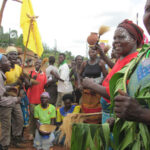
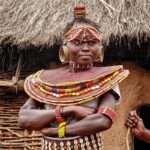
This diversity is reflected in everyday life—from traditional clothing and local cuisine to marriage ceremonies and community festivals.
The Griots: West Africa’s Living Historians
Among The Gambia’s greatest cultural treasures are the griots.
Known as oral historians, musicians, poets, and storytellers, griots preserve centuries of family histories, royal lineages, and community traditions through spoken word and music.
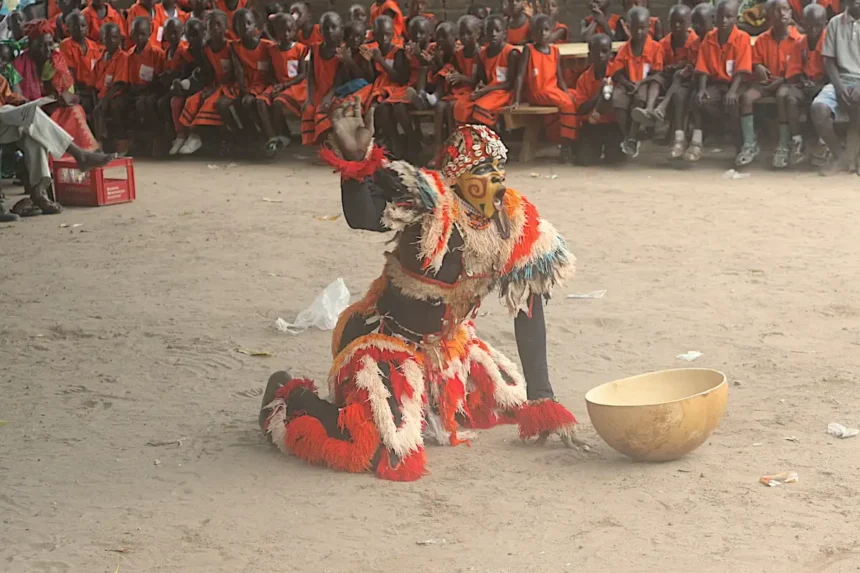
Their performances accompany weddings, naming ceremonies, festivals, and important community events.
Long before books became common, griots ensured that history was never forgotten.
Even in today’s digital age, they continue to play a respected role in preserving Gambian heritage.
Music That Brings Communities Together
Music is the heartbeat of Gambian society.
Traditional instruments such as the kora, balafon, djembe, and talking drum create melodies that accompany celebrations across the country.
Songs tell stories of courage, love, faith, family, and history while encouraging unity and cultural pride.
Modern Gambian musicians continue to blend traditional rhythms with contemporary styles, introducing the country’s rich musical heritage to audiences around the world.
Whether in rural villages or bustling towns, music remains central to community life.
Hospitality Is More Than a Tradition
Visitors to The Gambia quickly discover why it is called the Smiling Coast.
Hospitality is deeply rooted in Gambian culture.
Guests are warmly welcomed into homes, offered meals, and treated with genuine kindness regardless of where they come from.
Strong family values, respect for elders, and community cooperation continue to shape everyday life.
These traditions have earned Gambians a reputation as some of the friendliest people on the African continent.
Gambian Cuisine Reflects the Country’s Rich Heritage
Food is an important expression of culture in The Gambia.
Fresh fish from the river and Atlantic coast, rice, groundnuts, cassava, millet, and seasonal vegetables form the basis of many traditional dishes.
Popular meals such as benachin, domoda, and yassa showcase the country’s rich agricultural heritage and West African flavors.
Meals are often shared among extended families, reinforcing the importance of togetherness and hospitality.
Visitors frequently find that eating in The Gambia is as much about conversation and friendship as it is about food.
Sacred Traditions Along the River
Many Gambian communities maintain deep spiritual connections to nature.
Sacred forests, ancient baobab trees, and traditional ceremonial sites remain important cultural landmarks.
These places are often associated with local folklore, ancestral traditions, and community rituals passed down through generations.
While Islam is the predominant religion, many traditional customs continue to exist alongside religious practices, creating a rich cultural landscape rooted in both faith and heritage.
Wildlife and Nature Beyond the Beaches
Although famous for its coastline, The Gambia also boasts remarkable biodiversity.
The country’s wetlands, mangrove forests, and river ecosystems support hundreds of bird species, monkeys, crocodiles, hippos, and other wildlife.
Birdwatchers from around the world visit The Gambia, attracted by its reputation as one of Africa’s finest birding destinations.
Eco-tourism has become increasingly important, encouraging conservation while providing opportunities for local communities.
Nature remains an essential part of Gambian identity.
Young Gambians Keeping Tradition Alive
The Gambia has a youthful and energetic population determined to preserve its cultural heritage.
Young artists, musicians, entrepreneurs, and educators are embracing technology while promoting traditional crafts, storytelling, music, and local languages.
Festivals celebrating Gambian culture continue to attract growing audiences, ensuring that ancient customs remain relevant in the modern world.
This balance between tradition and innovation reflects a nation confidently embracing the future.
Why The Gambia Is One of West Africa’s Most Rewarding Destinations
The Gambia may be Africa’s smallest mainland nation, but its cultural influence and hospitality leave a lasting impression on everyone who visits.
Its river continues to sustain life, its griots preserve centuries of history, and its people proudly celebrate traditions that have endured across generations.
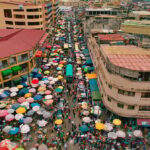
Whether exploring bustling markets, listening to the gentle melodies of the kora, cruising along the Gambia River, or sharing a meal with a local family, visitors experience a country where culture is lived every day.
The Gambia reminds the world that greatness is not measured by size but by the richness of its people, traditions, and heritage.
It is a destination where every smile tells a story, every song preserves history, and every journey reveals another chapter in West Africa’s enduring cultural legacy.
Email Us on editorial@nnafrica.com