


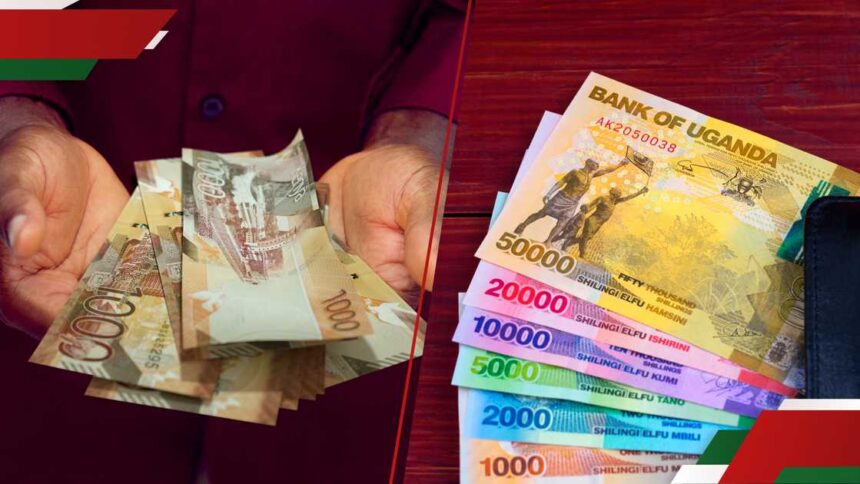
East African currencies came under pressure this week as demand for US dollars from fuel and manufacturing importers increased, traders reported. The Kenyan shilling held at 129.60/129.80 against the dollar, while Uganda’s shilling traded at 3,720/3,730 and Tanzania’s shilling at 2,510/2,520.
Forex dealers in Nairobi and Kampala cited a surge in dollar orders from oil marketing companies restocking after recent global price increases. Brent crude settled at $83.20 per barrel Friday, marking its fourth weekly gain due to US sanctions on Iranian and Venezuelan oil exports.
The Central Bank of Kenya maintained its benchmark rate at 12.75% in its last Monetary Policy Committee meeting to curb inflation and stabilize the shilling. Kenya’s inflation stood at 4.6% in April, within CBK’s 2.5%-7.5% target band. However, analysts say the rate has not eased pressure on the currency due to structural dollar demand.
Uganda’s shilling weakened 0.8% over the past week despite remittance inflows from the diaspora. Bank of Uganda officials said they were monitoring volatility but had no immediate plans to intervene, preferring a market-determined exchange rate.
“The shilling will remain range-bound until we see dollar inflows from tea, coffee and horticulture exports pick up in Q2,” said a senior trader at a Kampala commercial bank. Uganda’s coffee exports earned $1.2B in 2025, but seasonal patterns mean peak inflows arrive later in the year.
Tanzania’s shilling has been more stable, supported by gold exports and tourism receipts. But importers of machinery and petroleum products are still driving dollar demand in Dar es Salaam.
Regional economies remain vulnerable because fuel is priced in dollars. Any shilling depreciation raises transport and food costs, hitting households already dealing with high inflation. Kenya imports over 80% of its petroleum needs, making the exchange rate a direct cost driver.
The currency pressure comes as Kenya negotiates new budget support with the IMF. An agreement would unlock dollar inflows and ease pressure, but talks have stalled over fiscal consolidation measures.
Analysts expect the three currencies to stay volatile until OPEC+ signals changes to production cuts at its next ministerial meeting. For now, importers are advised to hedge dollar exposure.
Email Us on editorial@nnafrica.com