

Long before the rise of many modern nations, Mali stood at the heart of one of the world’s greatest civilizations. Its kings ruled vast territories, its merchants controlled lucrative trans-Saharan trade routes, and its scholars transformed cities into global centers of learning. Today, while many people associate Mali with the Sahara Desert, its true story is one of extraordinary cultural achievement, intellectual excellence, and enduring traditions.
Stretching from the golden sands of the Sahara to the fertile banks of the Niger River, Mali is home to diverse communities whose customs, music, architecture, and oral traditions continue to influence West Africa and beyond. It is a country where ancient mud-brick cities still stand, where master storytellers preserve centuries of history, and where music remains a universal language.
For students, researchers, teachers, tourists, and members of the African diaspora, Mali offers one of Africa’s most fascinating journeys into the continent’s historical and cultural foundations.
Why Mali Became One of Africa’s Greatest Empires
Between the 13th and 16th centuries, the Mali Empire grew into one of the largest and wealthiest empires in world history.
Its strategic position along trans-Saharan trade routes allowed merchants to exchange gold, salt, ivory, textiles, and knowledge between West Africa, North Africa, and the Middle East.
Under visionary rulers, the empire became known not only for its wealth but also for its effective administration, diplomacy, and support for education.
The influence of the Mali Empire extended far beyond its borders, helping shape the political, economic, and cultural development of West Africa for generations.
Timbuktu: The City That Became a Global Centre of Learning
Few African cities are as legendary as Timbuktu.
During the height of the Mali Empire and later the Songhai Empire, Timbuktu became one of the world’s leading centres of scholarship.
Students and scholars travelled from across Africa and beyond to study mathematics, astronomy, medicine, law, philosophy, theology, and literature.
Thousands of handwritten manuscripts preserved in the city continue to demonstrate Africa’s long tradition of academic excellence and intellectual achievement.
Timbuktu remains a powerful symbol of the continent’s contribution to global knowledge.
Mansa Musa: The King Who Amazed the World
No story about Mali is complete without Mansa Musa, whose reign in the 14th century became legendary.
Widely regarded as one of the wealthiest individuals in history, Mansa Musa used his resources to promote education, architecture, religion, and trade throughout his empire.
His famous pilgrimage to Mecca attracted international attention and introduced many parts of the world to the prosperity and sophistication of the Mali Empire.
His legacy continues to inspire discussions about African leadership, economic strength, and cultural achievement.
The Niger River: Mali’s Lifeline
Flowing across the country, the Niger River has sustained Malian communities for centuries.
Its fertile floodplains support farming, fishing, transportation, and trade, making it one of West Africa’s most important waterways.
Villages along the river continue to preserve traditional fishing techniques, boat-building skills, and agricultural practices that have been refined over generations.
The river also plays an important role in local folklore, ceremonies, and community life.
A Cultural Mosaic of Many Peoples
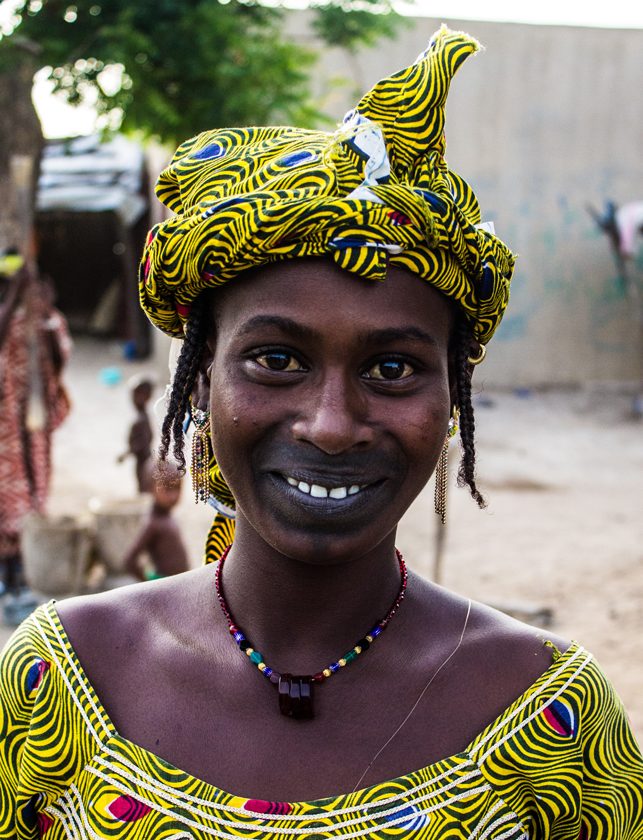
Mali is home to numerous ethnic communities, including the Bambara, Fulani, Dogon, Songhai, Tuareg, Soninke, Bozo, and Malinké.
Each community contributes unique languages, music, architecture, ceremonies, and artistic traditions to the country’s cultural landscape.
Despite their diversity, shared values of hospitality, family, respect for elders, and community cooperation unite the nation.
This rich cultural diversity remains one of Mali’s greatest strengths.
The Dogon: Guardians of Ancient Knowledge
Among Mali’s most celebrated cultural communities are the Dogon people.
Living along the dramatic Bandiagara Escarpment, they are renowned for their remarkable cliffside villages, intricate architecture, wood carvings, masked dances, and profound cosmological traditions.
Dogon ceremonies celebrate harvests, ancestors, and the continuity of community life, while their craftsmanship has earned worldwide admiration.
Their cultural heritage represents one of Africa’s most distinctive living traditions.
Music: Mali’s Gift to the World
Music is one of Mali’s greatest cultural contributions.
Traditional instruments such as the kora, ngoni, balafon, and talking drum accompany performances that celebrate history, family, and community.
For centuries, griots—respected oral historians and musicians—have preserved the stories of kings, families, and important historical events through song and poetry.
Modern Malian musicians have carried these traditions onto the global stage, influencing artists across Africa and the world.
Music remains both a celebration of identity and a bridge between generations.
Mud-Brick Architecture That Defied Time
Mali’s traditional architecture is among the most distinctive in Africa.
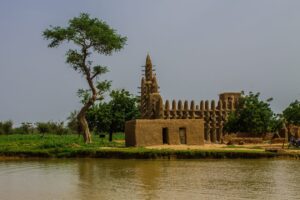
Mosques, homes, and public buildings constructed from sun-dried mud bricks demonstrate remarkable engineering adapted to the region’s climate.
The Great Mosque of Djenné, rebuilt using traditional techniques, stands as one of the world’s largest mud-brick structures and symbolizes the creativity of Sahelian architecture.
Communities continue to maintain these buildings through collective efforts that strengthen social bonds and preserve cultural heritage.
Cuisine Rooted in River and Desert
Malian cuisine reflects the country’s varied landscapes.
Rice, millet, sorghum, maize, fish, vegetables, peanuts, and locally raised livestock form the basis of many traditional dishes.
Meals are often shared from a common bowl, emphasizing unity, generosity, and hospitality.
Tea also plays an important social role, bringing families, neighbours, and guests together for conversation and friendship.
Food remains an essential expression of Malian culture.
Why Mali Remains One of Africa’s Greatest Cultural Treasures
Mali’s influence extends far beyond its borders.
Its empires helped shape African history. Its scholars transformed global education. Its musicians inspired generations. Its architects created masterpieces that still stand today, while its communities continue to preserve traditions rooted in centuries of cultural achievement.
Although modern Mali has faced significant challenges, its historical and cultural legacy remains one of the richest on the African continent.
For students, researchers, teachers, tourists, and members of the African diaspora, Mali offers a deeper understanding of Africa’s remarkable contributions to world civilization.
From the libraries of Timbuktu to the music of the Niger River and the ancient villages of the Dogon, Mali reminds us that Africa’s greatest treasures are not only found in its landscapes, but also in the enduring wisdom, creativity, and resilience of its people.
Email Us on editorial@nnafrica.com