

For more than a thousand years, the shores of Mozambique have welcomed sailors, merchants, explorers, and storytellers from across the Indian Ocean. Along its 2,500-kilometre coastline, African traditions blended with Swahili, Arab, Indian, and later European influences to create one of the continent’s most distinctive cultural landscapes.
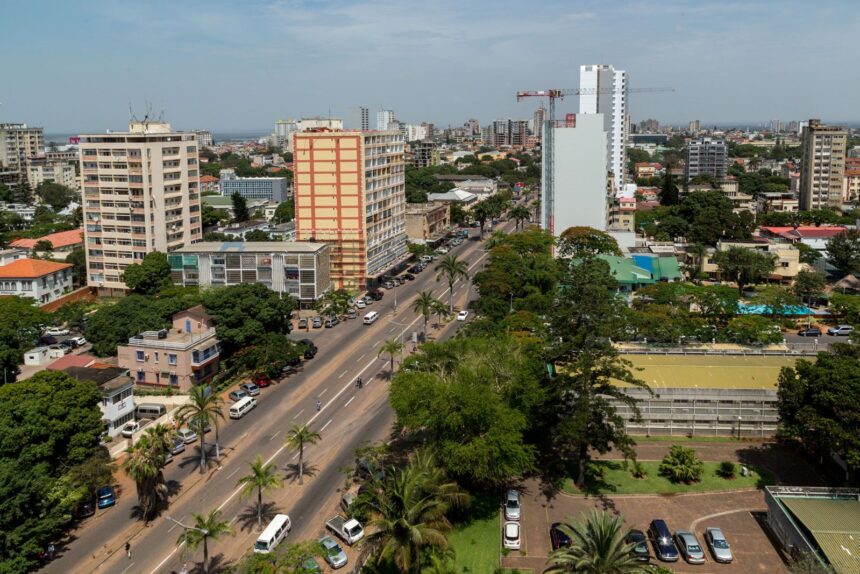
Yet Mozambique is far more than its spectacular beaches and turquoise waters. It is a country of vibrant music, resilient communities, ancient trading towns, fertile river valleys, and national parks where wildlife still roams freely. From the bustling streets of Maputo to the quiet villages of the Quirimbas Archipelago, Mozambique tells a story of cultural diversity, endurance, and hope.
For students, researchers, teachers, tourists, and members of the African diaspora, Mozambique offers a fascinating journey into a nation where the rhythm of the Indian Ocean continues to shape everyday life.
Why the Indian Ocean Has Always Defined Mozambique
Mozambique’s history cannot be separated from the sea.
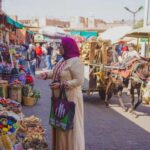
Long before European ships appeared on its shores, merchants from East Africa, Arabia, Persia, and India traded through coastal settlements that became important centres of commerce and cultural exchange.
Gold, ivory, spices, textiles, and ceramics passed through Mozambican ports, while languages, architectural styles, religious traditions, and artistic ideas travelled in both directions.
This centuries-old connection transformed Mozambique into one of Africa’s great maritime crossroads.
The Swahili Coast and the Legacy of Island Communities
Northern Mozambique forms part of the historic Swahili Coast, one of Africa’s most influential cultural regions.
Island settlements and coastal towns flourished through trade and fishing, developing a unique way of life that combined African traditions with influences from across the Indian Ocean.
The Island of Mozambique, once an important trading centre, remains one of the country’s greatest historical treasures. Its stone buildings, narrow streets, ancient mosques, churches, and forts tell the story of centuries of global interaction while preserving a distinctly African character.
Today, the island stands as a reminder of Mozambique’s important place in world history.
A Nation Rich in Cultural Diversity
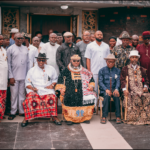
Mozambique is home to many ethnic communities, including the Makua, Sena, Tsonga, Yao, Makonde, Shona, Chopi, and Ndau, among others.
Each community contributes unique languages, music, ceremonies, craftsmanship, and oral traditions to the country’s cultural identity.
Despite this diversity, shared values of family, hospitality, cooperation, and respect for elders unite Mozambicans across regions.
These traditions continue to strengthen community life while enriching the nation’s cultural heritage.
The Makonde: Masters of African Wood Carving
Among Mozambique’s most celebrated artistic traditions is the wood carving of the Makonde people.
Using ebony and other hardwoods, Makonde sculptors create intricate works depicting family life, spiritual beliefs, historical events, and human relationships.
Their craftsmanship has earned international recognition and remains one of Africa’s finest artistic traditions.
Beyond their beauty, these sculptures preserve stories and cultural knowledge passed down through generations.
Music and Dance: The Rhythm of Mozambique
Music is central to Mozambican life.
Traditional drums, xylophones, rattles, and singing accompany weddings, harvest celebrations, community festivals, and national events.
The Chopi people are particularly renowned for their orchestras of timbila xylophones, whose complex performances combine music, poetry, and storytelling. This remarkable tradition has become one of Mozambique’s most celebrated cultural treasures.
Today, Mozambican musicians continue blending traditional rhythms with jazz, marrabenta, Afro-pop, and contemporary African music, creating a vibrant cultural scene admired across the continent.
Cuisine Inspired by Ocean and Land
Mozambican cuisine reflects the country’s rich natural resources and multicultural history.
Fresh seafood, coconut, cassava, maize, rice, beans, vegetables, and tropical fruits form the basis of many traditional meals.
Peri-peri peppers, locally grown spices, and coconut milk give Mozambican dishes their distinctive flavours.
Along the coast, grilled fish, prawns, and crab are especially popular, while inland communities rely on farming and livestock to prepare hearty family meals.
Sharing food remains an important expression of friendship and hospitality.
National Parks and Marine Wonders
Mozambique’s natural heritage is as remarkable as its cultural diversity.
The country’s national parks protect elephants, lions, antelope, and many other species, while its coral reefs support dolphins, turtles, whale sharks, and colourful tropical fish.
Marine reserves and conservation projects are helping preserve these ecosystems while creating sustainable opportunities for local communities through eco-tourism.
Nature and culture remain closely connected throughout Mozambique.
Festivals That Celebrate Identity
Across Mozambique, festivals celebrate music, dance, traditional crafts, and community life.
These gatherings provide opportunities for younger generations to learn about their heritage while welcoming visitors to experience the country’s rich cultural traditions.
Whether held in coastal towns, rural villages, or growing cities, festivals demonstrate the resilience and creativity that continue to define Mozambican society.
Modern Mozambique: Tradition Meets Opportunity
Mozambique is a young and dynamic nation looking toward the future.
Its growing cities are centres of education, business, entrepreneurship, and the creative arts, while rural communities continue to preserve traditions that have endured for centuries.
Young Mozambicans are embracing innovation without losing sight of the customs, languages, and values that shape their identity.
This balance between heritage and progress is helping build a confident future for the country.
Why Mozambique Is One of Africa’s Most Underrated Cultural Destinations
Mozambique is often celebrated for its spectacular coastline, but its greatest treasure is its people.
It is a nation where Indian Ocean trade created vibrant coastal cultures, where ancient artistic traditions continue to flourish, and where extraordinary natural beauty complements a rich cultural heritage.
Its diverse communities, historic island settlements, unforgettable music, and warm hospitality make Mozambique one of Africa’s most rewarding destinations for anyone seeking authentic experiences.
For students, researchers, teachers, tourists, and members of the African diaspora, Mozambique offers a deeper understanding of how geography, history, and culture can come together to shape a remarkable nation.
From the coral reefs of the Indian Ocean to the melodies of the timbila and the artistry of Makonde carving, Mozambique reminds us that Africa’s eastern coast has long been a place of creativity, connection, and enduring cultural pride.
Email Us on editorial@nnafrica.com