

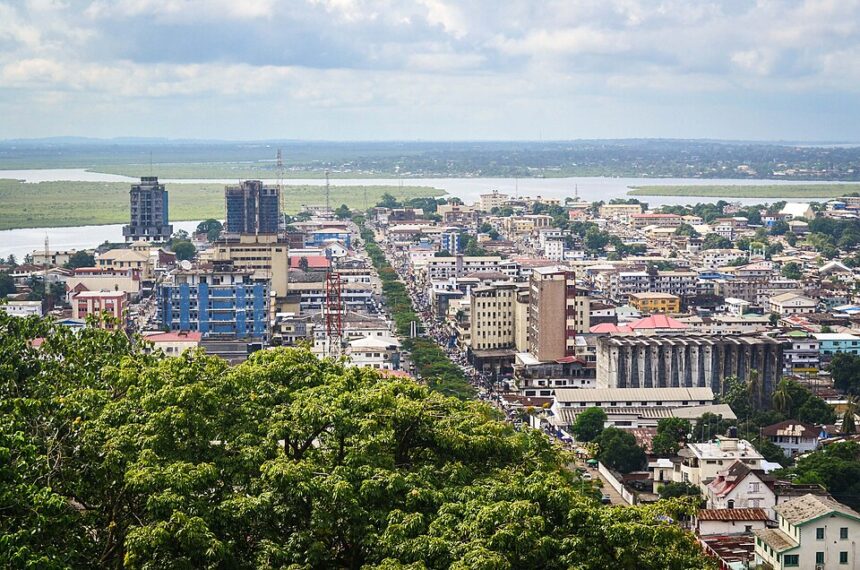
Few African countries have a story as distinctive as Liberia’s. Known as Africa’s oldest republic, Liberia occupies a unique place in the continent’s history. Yet beyond its remarkable political legacy lies a nation of extraordinary cultural diversity, pristine rainforests, Atlantic beaches, and communities whose traditions have endured for centuries.
Stretching from the palm-lined shores of the Atlantic Ocean to the dense forests of the Upper Guinean ecosystem, Liberia is home to more than 16 indigenous ethnic groups, each contributing its own language, customs, music, and beliefs. While the country has faced significant challenges throughout its history, its people have preserved a resilient cultural identity rooted in community, hospitality, and respect for tradition.
For students, researchers, teachers, tourists, and the African diaspora, Liberia offers a deeper understanding of a country where history, nature, and culture continue to shape one another.
Why Liberia Holds a Unique Place in African History
Liberia’s history differs from that of almost every other African nation.
Founded in the 19th century as a homeland for formerly enslaved African Americans, the country declared its independence in 1847, making it Africa’s oldest republic.
This unique historical journey created a society where indigenous traditions and the heritage of Americo-Liberians came together to shape the nation’s identity.
Today, Liberia’s history provides valuable lessons about freedom, nation-building, resilience, and the importance of preserving cultural diversity.
More Than 16 Ethnic Communities, One National Identity
Liberia is home to a remarkable cultural mosaic.
Communities including the Kpelle, Bassa, Gio, Mano, Kru, Grebo, Vai, Gola, Kissi, Lorma, Krahn, Mandingo, and several others have enriched the country through their languages, ceremonies, crafts, and oral traditions.
Each group maintains unique customs while sharing common values of family, respect for elders, and communal responsibility.
This diversity makes Liberia one of West Africa’s most fascinating cultural destinations.
The Sacred Forests That Protect Ancient Knowledge
For generations, Liberia’s forests have been more than natural resources—they have been places of cultural and spiritual significance.
Many communities regard certain forests as sacred, using them for traditional ceremonies, education, and the transmission of cultural knowledge.
These forests have helped preserve oral histories, customs, and beliefs that connect present generations with their ancestors.
They also remind visitors that conservation and cultural heritage have long been closely linked in many African societies.
Liberia’s Rainforests: One of West Africa’s Greatest Natural Treasures
Liberia contains some of the largest remaining sections of the Upper Guinean rainforest, one of the world’s most important biodiversity hotspots.
These forests are home to forest elephants, pygmy hippos, chimpanzees, rare birds, and countless plant species found nowhere else on Earth.
Beyond their ecological importance, these landscapes support local communities through sustainable farming, fishing, and traditional forest knowledge.
As conservation efforts continue, Liberia is increasingly recognized as one of Africa’s emerging eco-tourism destinations.
Storytelling and Oral Traditions Keep History Alive
Long before written records became widespread, Liberian communities preserved history through storytelling.
Village elders shared legends, proverbs, songs, and historical accounts that taught young people about courage, honesty, leadership, and respect.
These oral traditions continue to play an important role in community life today.
They preserve not only historical events but also the values that have guided Liberian society across generations.
Music and Dance: The Rhythm of Community Life
Music is woven into Liberia’s cultural fabric.
Traditional drums, rattles, horns, and songs accompany weddings, harvest celebrations, naming ceremonies, and festivals.
Many dances tell stories of hunting, farming, courtship, or historical events, allowing performers to celebrate both entertainment and cultural identity.
Modern Liberian musicians continue to draw inspiration from these traditional rhythms while blending them with gospel, Afrobeats, hip-hop, and contemporary African music.
Coastal Communities and the Atlantic Connection
With more than 560 kilometres of Atlantic coastline, Liberia has long maintained close ties to the sea.
Fishing communities have depended on the ocean for generations, developing traditions that emphasize cooperation, sustainable harvesting, and respect for nature.
Today, Liberia’s beaches remain among West Africa’s least crowded, offering visitors opportunities to experience both natural beauty and authentic coastal culture.
The sea continues to influence local cuisine, livelihoods, and everyday life.
Liberian Cuisine Reflects Land and Sea
Liberian cuisine combines locally grown ingredients with generations of culinary tradition.
Rice serves as the country’s staple food, accompanied by cassava, plantains, leafy vegetables, palm butter, fish, chicken, beef, and a variety of flavorful stews.
Fresh seafood is especially popular along the coast, while inland communities rely on farming and forest products to create nutritious meals.
Food remains central to family gatherings, celebrations, and expressions of hospitality throughout the country.
A Young Nation Proud of Its Heritage
Liberia has one of Africa’s youngest populations.
Across the country, young entrepreneurs, artists, educators, and cultural organizations are working to preserve indigenous languages, promote traditional crafts, document oral history, and celebrate Liberia’s diverse heritage.
At the same time, innovation in education, technology, music, and entrepreneurship is helping shape a confident future.
This balance between heritage and progress reflects Liberia’s determination to build on its rich cultural foundations.
Why Liberia Deserves Greater Recognition
Liberia is often viewed through the lens of its modern history, but that perspective tells only part of the story.
It is also a nation of ancient forests, vibrant cultures, resilient communities, and traditions that have survived for centuries.
Its diverse peoples, remarkable biodiversity, unique historical journey, and enduring spirit make Liberia one of West Africa’s most rewarding destinations for those seeking authentic cultural experiences.
For students, researchers, teachers, tourists, and members of the African diaspora, Liberia offers an opportunity to explore a country where freedom, heritage, and nature come together in extraordinary ways.
Liberia reminds us that Africa’s greatest stories are often found not only in its capitals but also in its forests, villages, coastlines, and the enduring traditions of its people.
Email Us on editorial@nnafrica.com