

Kenya is often introduced to the world through its spectacular wildlife safaris, the Great Migration, and the snow-capped peak of Mount Kenya. Yet beyond its famous landscapes lies one of Africa’s richest cultural tapestries—a nation where more than 40 ethnic communities, centuries-old traditions, and modern innovation combine to create a vibrant national identity.
From the bustling streets of Nairobi to the ancient Swahili towns along the Indian Ocean, Kenya is a country where the past and present exist side by side. Here, traditional pastoralists share the nation with world-class entrepreneurs, fishermen preserve age-old customs on the coast, and young artists are redefining African creativity for a global audience.
Kenya is not simply a safari destination. It is one of Africa’s great cultural crossroads, where heritage, hospitality, and resilience shape everyday life.
The Maasai: Guardians of Tradition on the Great Plains
Few African communities are as internationally recognized as the Maasai.
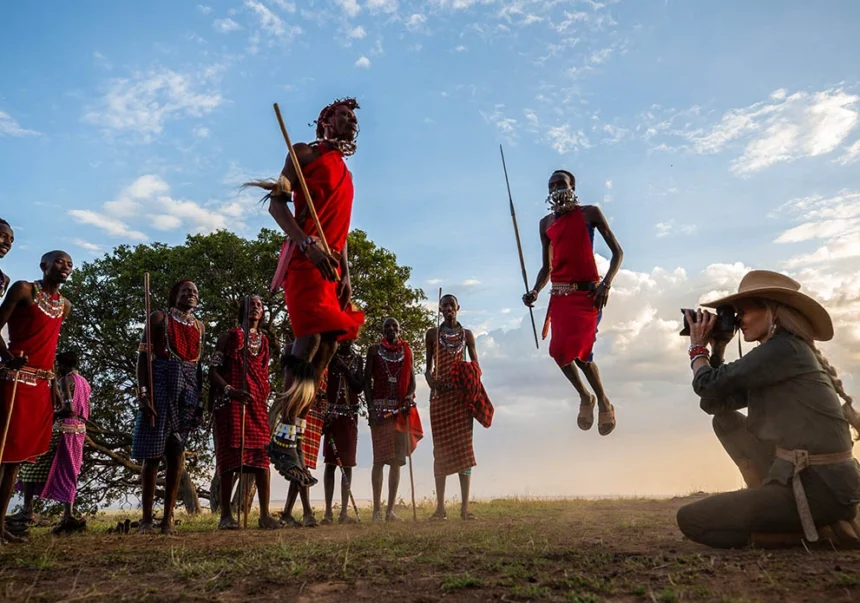
Living across southern Kenya, the Maasai have maintained many of their customs while adapting to a rapidly changing world. Their brightly colored shúkàs, intricate beadwork, traditional songs, and famous jumping dances have become symbols of East African culture.
Cattle remain central to Maasai life, representing wealth, social status, and community identity. Elders continue to play an important role in preserving customs, resolving disputes, and passing knowledge to younger generations.
For visitors, learning about Maasai traditions offers a deeper appreciation of Kenya’s rich cultural heritage.
The Swahili Coast: Where Africa Met the Indian Ocean
Kenya’s coastline tells a story that stretches back more than a thousand years.
Ancient trading towns such as Lamu and Mombasa welcomed merchants from Arabia, Persia, India, and later Europe, creating the distinctive Swahili civilization that continues to thrive today.
Coral-stone houses, carved wooden doors, narrow streets, and historic mosques reflect centuries of cultural exchange.
Swahili cuisine, language, architecture, and music remain among Kenya’s greatest cultural treasures, demonstrating how African traditions blended with influences from across the Indian Ocean.
More Than 40 Communities, One Nation
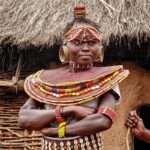
Kenya is home to more than 40 ethnic groups, including the Kikuyu, Luhya, Luo, Kalenjin, Kamba, Kisii, Meru, Turkana, Samburu, Mijikenda, and many others.
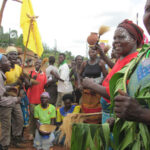
Each community contributes unique languages, ceremonies, music, clothing, and artistic traditions.
From initiation ceremonies and harvest festivals to storytelling and craftsmanship, these customs enrich Kenya’s national identity while celebrating the country’s remarkable diversity.
This multicultural heritage remains one of Kenya’s greatest strengths.
The Great Migration: Nature’s Greatest Spectacle
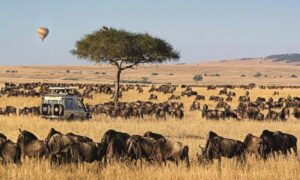
Each year, millions of wildebeest, zebras, and gazelles cross the plains of the Maasai Mara in one of the world’s most extraordinary wildlife events.
Known as the Great Migration, this breathtaking natural phenomenon attracts visitors from every continent.
For local communities, however, the wildlife has always been more than a tourist attraction.
Generations have lived alongside these animals, developing traditions that emphasize respect for nature and sustainable coexistence.
Conservation efforts increasingly involve local communities, ensuring that both wildlife and cultural heritage are protected.
Kenyan Cuisine: A Taste of Diversity
Kenya’s cuisine reflects its varied geography and cultural diversity.
Staple foods include ugali, nyama choma, sukuma wiki, githeri, chapati, and coastal dishes flavored with coconut and spices.
Fresh fish is popular around Lake Victoria and along the Indian Ocean coast, while pastoral communities traditionally rely on milk, meat, and grains.
Tea and coffee, two of Kenya’s most famous exports, are enjoyed daily across the country and symbolize Kenya’s important place in global agriculture.
Meals are often shared among family and friends, reinforcing values of hospitality and community.
Music, Dance, and Storytelling Across Generations
Music is central to Kenyan life.
Traditional drums, horns, stringed instruments, and vocal harmonies accompany weddings, festivals, religious celebrations, and community gatherings.
Each ethnic community preserves distinctive musical styles and dances that tell stories of courage, courtship, harvests, and historical events.
Contemporary Kenyan musicians continue blending traditional sounds with Afrobeats, gospel, hip-hop, and global influences, creating a dynamic cultural scene admired across Africa.
Nairobi: Africa’s City of Innovation
Kenya’s capital, Nairobi, is one of Africa’s most influential cities.
Often referred to as the “Silicon Savannah,” it has become a hub for technology, entrepreneurship, finance, education, and creative industries.
Modern skyscrapers stand alongside vibrant markets, museums, and cultural centers, reflecting the city’s unique blend of tradition and innovation.
Young Kenyans are leading advances in technology while proudly celebrating their cultural heritage through fashion, music, film, and digital media.
Faith, Family, and Community Values
Religion plays an important role in Kenyan society, with Christianity and Islam being the predominant faiths alongside traditional beliefs that continue to influence many communities.
Family remains the foundation of social life.
Respect for elders, communal responsibility, and helping neighbors are values deeply embedded in Kenyan culture.
Festivals, weddings, and national celebrations strengthen these bonds, ensuring that traditions remain relevant across generations.
Protecting Nature for Future Generations
Kenya is internationally recognized for its commitment to wildlife conservation.
National parks, marine reserves, and community conservancies protect elephants, lions, rhinos, giraffes, cheetahs, and countless other species.
Many local communities actively participate in conservation, recognizing that protecting nature also preserves livelihoods, cultural identity, and tourism opportunities.
This partnership between people and wildlife has become one of Kenya’s defining achievements.
Why Kenya Is One of Africa’s Greatest Cultural Destinations
Kenya is far more than a land of safaris.
It is a nation where ancient traditions continue to thrive, where coastal cultures reflect centuries of global exchange, and where modern innovation is reshaping Africa’s future.
Its diverse communities, spectacular landscapes, vibrant cities, and enduring customs create an experience unlike anywhere else on the continent.
Whether watching the Great Migration, exploring historic Swahili towns, sharing tea with local families, or learning from Maasai elders, visitors quickly discover that Kenya’s greatest attraction is its people.
Kenya is a celebration of Africa’s diversity, resilience, and limitless potential—a country where every journey reveals another remarkable chapter in the story of East Africa.
Email Us on editorial@nnafrica.com