


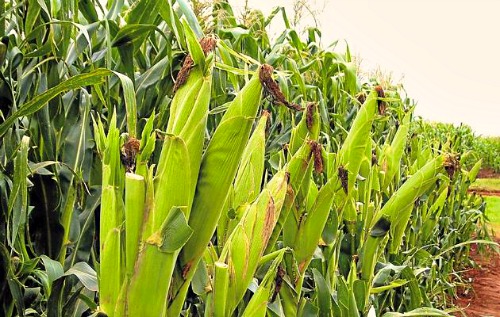
Food security has become one of the most pressing issues facing Africa in 2026. Rising populations, climate change, economic pressures, and supply-chain disruptions are placing increasing strain on agricultural systems across the continent.
Many African countries continue to rely heavily on agriculture for employment and economic activity. However, prolonged droughts, floods, and unpredictable weather patterns have affected crop production in several regions. These environmental challenges have contributed to higher food prices and increased concerns about hunger and malnutrition.
Governments are responding through investments in climate-smart agriculture, irrigation systems, and improved farming technologies. Agricultural researchers are developing more resilient crop varieties capable of withstanding changing environmental conditions. Meanwhile, international organizations are supporting programs aimed at improving productivity and strengthening food distribution networks.
Technology is also playing an important role. Digital platforms now provide farmers with access to weather forecasts, market information, and mobile financial services. These innovations help small-scale producers make better decisions and improve their resilience to economic and environmental shocks.
Food security is no longer viewed solely as an agricultural issue. It is increasingly recognized as a matter of economic stability, public health, and national security. Ensuring reliable access to affordable and nutritious food will require coordinated action from governments, private investors, researchers, and local communities.
As Africa’s population continues to grow, the ability to build sustainable and resilient food systems will be critical to the continent’s long-term prosperity and development.
Email Us on editorial@nnafrica.com