

Nestled along the sparkling shores of the Red Sea, Eritrea is one of Africa’s most intriguing yet least-explored destinations. Known for its dramatic mountains, pristine coastline, and centuries-old traditions, the country offers a fascinating blend of African, Middle Eastern, and Mediterranean influences.
While many know Eritrea through its modern history, its cultural roots stretch back thousands of years. Ancient kingdoms traded with civilizations across the Red Sea, while generations of farmers, fishermen, and merchants developed customs that continue to define Eritrean life today.
From the elegant boulevards of Asmara to the remote villages of the highlands and the coral-fringed islands of the Dahlak Archipelago, Eritrea invites visitors to experience a nation where history, culture, and natural beauty exist in remarkable harmony.
Why Eritrea Became the Red Sea’s Historic Crossroads
For centuries, Eritrea occupied one of Africa’s most strategic locations.
Its long coastline connected East Africa with Arabia, Egypt, India, and the Mediterranean through maritime trade. Ships carrying ivory, spices, gold, textiles, incense, and coffee stopped at Eritrean ports, transforming the region into a meeting place for merchants from across the ancient world.
These centuries of exchange shaped Eritrea’s languages, architecture, cuisine, and traditions, creating a unique cultural identity that reflects influences from multiple continents while remaining proudly African.
Today, the Red Sea continues to play a vital role in the country’s economy and cultural heritage.
Asmara: Africa’s Modernist Architectural Treasure
Eritrea’s capital, Asmara, is unlike any other city in Africa.
Wide tree-lined streets, elegant cafés, art deco cinemas, churches, mosques, and Italian-inspired buildings create a cityscape that has earned international recognition for its remarkable architecture.
Constructed largely during the early twentieth century, Asmara preserves one of the world’s finest collections of modernist urban design.
Yet beneath its architectural beauty lies a vibrant African city where traditional markets, coffee ceremonies, and community gatherings remain central to daily life.
The result is a fascinating blend of European design and Eritrean culture.
The Highlands: Where Ancient Farming Traditions Continue
Much of Eritrea’s population lives in the cool central highlands, where farming has sustained communities for countless generations.
Terraced fields stretch across mountain slopes, producing grains, vegetables, and fruits adapted to the region’s climate.
Traditional farming methods, often passed down through families, emphasize cooperation, sustainable land management, and respect for seasonal cycles.
Village life revolves around agriculture, religious festivals, and close-knit family relationships that remain central to Eritrean society.
The highlands offer visitors an authentic glimpse into the rhythms of rural African life.
Nine Ethnic Groups, One National Identity
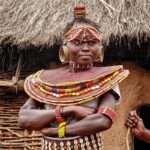
Eritrea is home to nine officially recognized ethnic groups, each contributing unique customs, languages, music, and traditions.
Communities including the Tigrinya, Tigre, Afar, Saho, Bilen, Kunama, Nara, Hedareb, and Rashaida have enriched the country’s cultural landscape over centuries.
Each group maintains distinctive clothing, ceremonies, folklore, and artistic traditions while sharing a strong sense of national identity.
This remarkable diversity makes Eritrea one of the Horn of Africa’s most culturally fascinating nations.
The Coffee Ceremony That Brings Communities Together
Few traditions better reflect Eritrean hospitality than the traditional coffee ceremony.
Preparing coffee is considered an art that brings families, neighbors, and guests together.
Fresh coffee beans are roasted over charcoal, ground by hand, and brewed slowly before being served in several rounds of conversation and fellowship.
The ceremony is not rushed.
Instead, it provides an opportunity to strengthen friendships, discuss community matters, and welcome visitors with warmth and generosity.
It remains one of Eritrea’s most cherished cultural customs.
Music and Dance That Celebrate Heritage
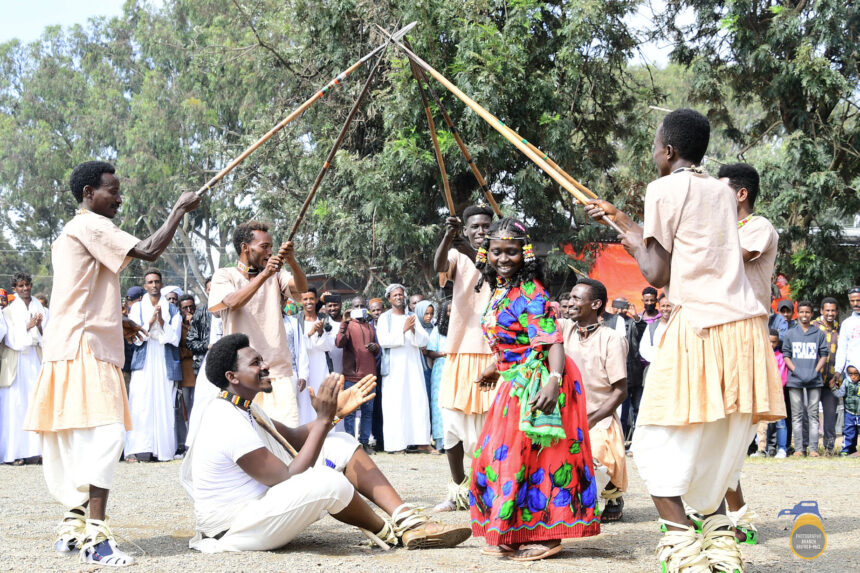
Traditional music accompanies nearly every important occasion in Eritrea.
Drums, stringed instruments, and rhythmic singing provide the soundtrack for weddings, harvest festivals, religious celebrations, and community gatherings.
Each ethnic group preserves distinctive dance styles, often featuring synchronized movements that symbolize unity and shared identity.
Songs frequently celebrate love, history, bravery, and respect for ancestors.
These performances continue to connect younger generations with their cultural heritage.
Eritrean Cuisine: Simple Ingredients, Rich Flavours
Eritrean cuisine reflects both the country’s agricultural traditions and centuries of cultural exchange.
Injera, a soft fermented flatbread, is commonly served alongside spicy stews made from lentils, vegetables, beef, or lamb.
Fresh herbs, berbere spice blends, chickpeas, and seasonal produce create bold yet balanced flavours.
Along the Red Sea coast, seafood features prominently in local cuisine, while the highlands are known for hearty grain-based dishes.
Meals are traditionally shared among family members, reinforcing values of hospitality and togetherness.
Faith and Tradition Living Side by Side
Religion has long played an important role in Eritrean society.
Christianity and Islam are both deeply rooted in the country’s history, with churches and mosques standing as symbols of centuries of peaceful coexistence in many communities.
Religious festivals are celebrated with music, traditional clothing, communal meals, and acts of generosity.
Alongside these faiths, many cultural customs linked to family life, marriage, and seasonal celebrations continue to preserve Eritrea’s rich heritage.
The Dahlak Islands: A Hidden Paradise in the Red Sea
Off Eritrea’s coast lies one of Africa’s least-known island treasures—the Dahlak Archipelago.
Comprising more than 100 islands, this pristine marine environment is home to coral reefs, dolphins, sea turtles, and diverse marine life.
Fishing communities have lived here for generations, preserving traditions closely connected to the sea.
The islands remain largely untouched by mass tourism, making them one of the Red Sea’s best-kept secrets.
For nature lovers and cultural explorers alike, the Dahlak Islands represent an extraordinary destination.
Why Eritrea Deserves a Place on Every African Travel List
Eritrea may be one of Africa’s most overlooked countries, but its cultural richness rivals that of far more famous destinations.
Its mountain villages preserve traditions that have endured for centuries. Its Red Sea coastline connects Africa to ancient maritime history. Its capital showcases one of the continent’s finest architectural landscapes, while its people continue to celebrate hospitality, family, and cultural pride.
For travelers willing to venture beyond the usual tourist routes, Eritrea offers authenticity at every turn.
It is a country where ancient trade routes meet modern cities, where coffee is shared as a symbol of friendship, and where every landscape tells another chapter in Africa’s remarkable story.
Eritrea is not simply a destination—it is one of the Horn of Africa’s greatest cultural treasures waiting to be discovered.
Email Us on editorial@nnafrica.com