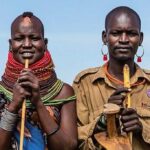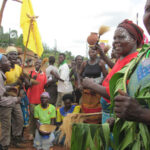


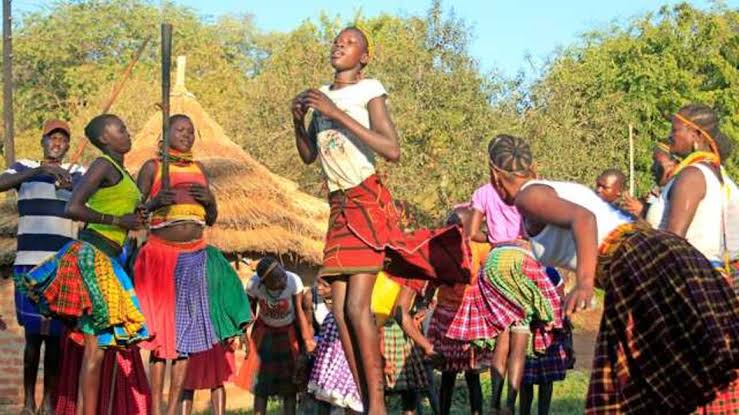
Across the rolling plains of eastern Karamoja, where livestock graze under wide African skies and communities remain deeply connected to their ancestral lands, live the Pian people. Known for their resilience, hospitality, and strong pastoral traditions, the Pian are one of the oldest communities within the Karamoja cultural cluster.
For generations, they have relied on wisdom passed down by elders, maintaining customs that celebrate family, community, and harmony with nature. While modernization has transformed many aspects of life, the Pian continue to preserve a cultural identity that remains a source of pride for both young and old.
Their story is one of endurance, unity, and an unwavering commitment to their heritage.
Who Are the Pian?
The Pian are one of the major ethnic communities of the Karamoja sub-region in northeastern Uganda. They are primarily found in Nabilatuk District and parts of Nakapiripirit District, where they have lived for centuries.
They belong to the wider Karamoja cultural family, sharing historical and linguistic ties with the Karamojong, Jie, Dodoth, Bokora, and Matheniko. Despite these close relationships, the Pian have developed distinct traditions, clan structures, and local customs that define their identity.
The community has long been recognized for its strong sense of solidarity, where cooperation among families and clans is essential to daily life.
Origins and History
Like other Karamoja communities, the Pian trace their ancestry to Eastern Nilotic-speaking peoples who migrated into northeastern Uganda many centuries ago.
Settling in fertile grazing lands, they developed a pastoral lifestyle centered on cattle, goats, and sheep while also practicing crop farming during favorable seasons.
The Pian have preserved much of their history through oral traditions, with elders recounting stories of migration, clan origins, and important historical events during community gatherings.
Cattle: The Heartbeat of Pian Society
For the Pian, cattle are much more than a source of livelihood.
They represent:
- Family wealth
- Cultural identity
- Bridewealth during marriage
- Social status
- A bond between generations
Young people are taught from childhood how to care for livestock, understanding that the health of the herd reflects the well-being of the family.
Traditional songs often praise prized cattle and celebrate the skills of successful herders.
Language
The Pian speak a dialect of Ngakarimojong, an Eastern Nilotic language shared across much of the Karamoja region.
The language is central to preserving the community’s oral traditions, proverbs, songs, and cultural values. While English and Kiswahili are increasingly spoken in schools and public institutions, the local language remains the foundation of Pian identity.
Traditional Homes
Pian families traditionally live in manyattas—circular homesteads enclosed by strong thorn fences to safeguard both people and livestock.
The huts, constructed from mud, wood, and grass, are arranged to promote close family interaction. At the center of the homestead is the cattle kraal, reflecting the importance of livestock in everyday life.
Food and Cuisine
The Pian diet combines pastoral products with locally cultivated crops.
Common foods include:
- Sorghum porridge
- Millet
- Fresh and fermented milk
- Roasted goat and beef
- Beans
- Cowpeas
- Honey
- Seasonal wild fruits
Food is often shared among family members and guests, reflecting the community’s tradition of generosity and hospitality.
Traditional Dress and Beadwork
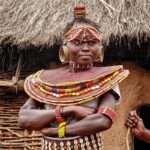
The Pian are known for their colorful attire and intricate beadwork.
Men traditionally wear brightly colored wraps suited to the warm climate, while women create and wear elaborate necklaces, bracelets, earrings, and waist ornaments.
The beadwork is more than decorative—it often reflects age, social status, marital status, and cultural identity.
Music and Dance
Music and dance are integral to Pian culture.
Traditional performances celebrate:
- Weddings
- Harvests
- Community achievements
- Livestock
- Courtship
- Family milestones
Songs preserve history and cultural values, while dances featuring rhythmic chanting, clapping, and energetic movements strengthen social bonds.
Marriage and Family
Marriage among the Pian is regarded as an alliance between families and clans.
Bridewealth, traditionally paid in cattle, remains an important custom that symbolizes commitment and mutual respect.
Family elders oversee marriage negotiations and play an important role in resolving disputes and maintaining harmony within the community.
Spiritual Beliefs
Traditionally, the Pian believed in a supreme creator and practiced rituals seeking blessings for rain, healthy livestock, and prosperous families.
Today, Christianity is widely practiced, though many traditional customs and ceremonies continue to be observed alongside Christian faith.
Economic Activities
Although livestock keeping remains central to Pian culture, modern economic activities have expanded significantly.
Today many Pian families are involved in:
- Crop farming
- Livestock trade
- Small businesses
- Beekeeping
- Handicrafts
- Education
- Public service
Improved infrastructure and access to education have created new opportunities while allowing the community to preserve its cultural heritage.
Preserving Pian Heritage
Community elders, educators, and cultural organizations continue to promote the Pian language, traditional music, dances, crafts, and oral history.
Young people are increasingly combining modern education with pride in their cultural identity, ensuring that Pian traditions continue to flourish for future generations.
Did You Know?
- The Pian are one of the principal communities of eastern Karamoja.
- Livestock songs remain an important part of their oral tradition.
- Traditional beadwork is both an art form and a symbol of identity.
- Hospitality is considered one of the community’s most cherished values.
Quick Facts
| Feature | Information |
|---|---|
| Region | Nabilatuk and parts of Nakapiripirit District |
| Language | Ngakarimojong (Pian dialect) |
| Cultural Group | Karamoja Cluster |
| Traditional Occupation | Pastoralism and farming |
| Main Livestock | Cattle, goats, and sheep |
| Traditional Home | Manyatta |
Conclusion
The Pian are a proud and resilient people whose traditions have shaped life in eastern Karamoja for centuries. Their deep respect for family, livestock, community, and the natural environment continues to define their identity even as they embrace education, entrepreneurship, and new opportunities.
As one of Uganda’s vibrant indigenous communities, the Pian demonstrate that cultural heritage is not simply about preserving the past—it is about carrying the wisdom of generations into the future.
Email Us on editorial@nnafrica.com