

Sudan is a land of contrasts, where the endless sands of the Sahara meet the life-giving waters of the Nile. Rich in history, culture, and diversity, this North-East African country has been a crossroads of civilizations for thousands of years. From the pharaohs of Nubia to Islamic sultanates, Sudan’s cultural landscape tells the story of ancient kingdoms, enduring traditions, and modern resilience.
While much of the world associates Sudan with deserts and conflict, the country is also home to vibrant cities, bustling markets, and communities that preserve unique traditions. Exploring Sudan means walking through a living museum of African history, where ancient pyramids, archaeological sites, and folklore coexist with contemporary life.
Why Sudan Is the Cradle of Nubian Civilization
Long before the rise of Egypt’s famous pharaohs, the Nubian kingdoms of northern Sudan flourished along the Nile. Kingdoms such as Kerma, Napata, and Meroë built pyramids, developed sophisticated writing systems, and became centers of trade and culture.
These civilizations were pioneers in metallurgy, architecture, and governance. Archaeological discoveries, including royal tombs and temples, reveal the ingenuity and complexity of ancient Nubian society.
Today, Nubian culture continues to influence Sudanese identity, particularly in northern regions along the Nile, where traditional music, crafts, and festivals honor this rich heritage.
The Nile: Lifeblood of Sudanese Culture
The Nile is more than a river—it is the backbone of Sudanese life. Stretching thousands of kilometers through the country, it supports agriculture, trade, and community life. Cities such as Khartoum, Omdurman, and Shendi grew along its banks, becoming hubs of commerce and culture.
Agricultural communities rely on the Nile’s annual flooding and irrigation systems to cultivate sorghum, millet, and vegetables. The river also shapes folklore, spiritual practices, and local festivals, symbolizing both abundance and continuity.
For travelers, the Nile offers opportunities to witness river life, traditional fishing methods, and rural communities deeply connected to their environment.
Sudan’s Diverse Ethnic and Cultural Landscape
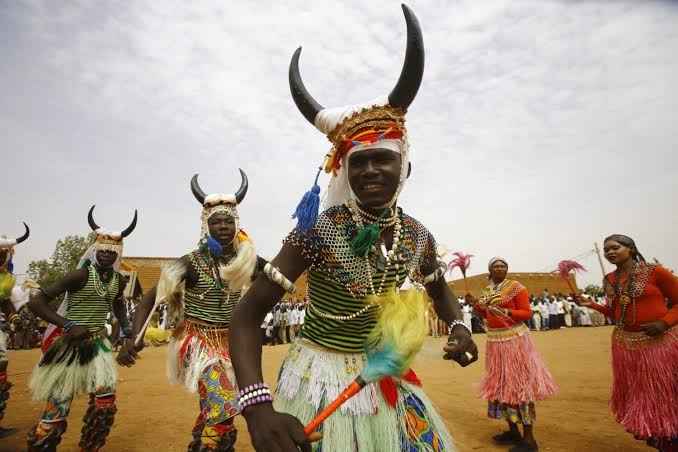
Sudan is home to more than 500 ethnic groups, each with unique languages, traditions, and art forms. The Arabized north blends Islamic influences with African heritage, while central and southern regions feature diverse tribes such as the Dinka, Nuer, Beja, Fur, and Shilluk.
This cultural diversity manifests in clothing, music, dance, and cuisine. From colorful beadwork and pottery to traditional storytelling and communal celebrations, Sudanese culture is a vibrant tapestry of identities woven together over centuries.
The Pyramids of Meroë: Witnesses to a Forgotten Empire
Sudan boasts more pyramids than any country in the world after Egypt, particularly in the ancient city of Meroë. These pyramids served as tombs for kings and queens of the Kushite kingdom and stand as enduring symbols of Sudan’s ancient civilization.
Visiting Meroë provides a glimpse into the past, where skilled artisans constructed monumental tombs and temples using locally quarried stone. The site also illustrates the connection between religion, governance, and cultural expression in Nubian society.
Music, Dance, and Oral Traditions That Keep History Alive
Music and dance are central to Sudanese life. Traditional songs accompany weddings, harvest festivals, and religious ceremonies. Drumming, chanting, and string instruments provide rhythm and narrative, while dance movements convey history, social values, and community identity.
Oral traditions are equally important. Elders share folktales, proverbs, and epic stories that pass wisdom from one generation to the next. These traditions preserve not only history but also cultural values such as bravery, hospitality, and respect for elders.
Sudanese Cuisine: A Flavorful Blend of Cultures
Sudanese cuisine reflects its diverse cultural influences. Staple foods include sorghum, millet, okra, lentils, and beans. Meat dishes, such as lamb or goat stews, are often seasoned with fragrant spices.
Street food culture thrives in cities, where vendors sell dishes like ta’amiya (Sudanese falafel) and kisra (fermented flatbread). Sharing meals is a communal activity, reinforcing social bonds and hospitality—core values of Sudanese society.
Festivals and Religious Practices
Sudan’s cultural calendar is shaped by religious observances and local traditions. Islamic holidays like Eid al-Fitr and Eid al-Adha are widely celebrated, often with communal prayers, feasts, and charitable giving.
Many communities also hold unique cultural festivals, celebrating historical events, harvests, or local heroes. These gatherings combine music, dance, storytelling, and rituals that strengthen community ties and transmit cultural knowledge.
Modern Sudan: Balancing Heritage and Change
Sudan is undergoing rapid social and economic transformation, particularly in urban centers. Education, technology, and entrepreneurship are creating new opportunities, while young people are actively preserving and adapting traditional arts, music, and languages.
Despite challenges, Sudanese communities continue to honor their heritage, demonstrating resilience and a commitment to cultural continuity.
Why Sudan Deserves a Place on Africa’s Cultural Map
Sudan offers a rare opportunity to explore a country where ancient civilizations, vibrant ethnic traditions, and modern life intersect. Its deserts, pyramids, rivers, and communities tell stories of endurance, creativity, and cultural pride.
For travelers seeking authentic experiences, Sudan reveals a side of Africa that is both historical and contemporary, where traditions survive alongside change, and where the Nile continues to nurture life and culture.
Email Us on editorial@nnafrica.com