

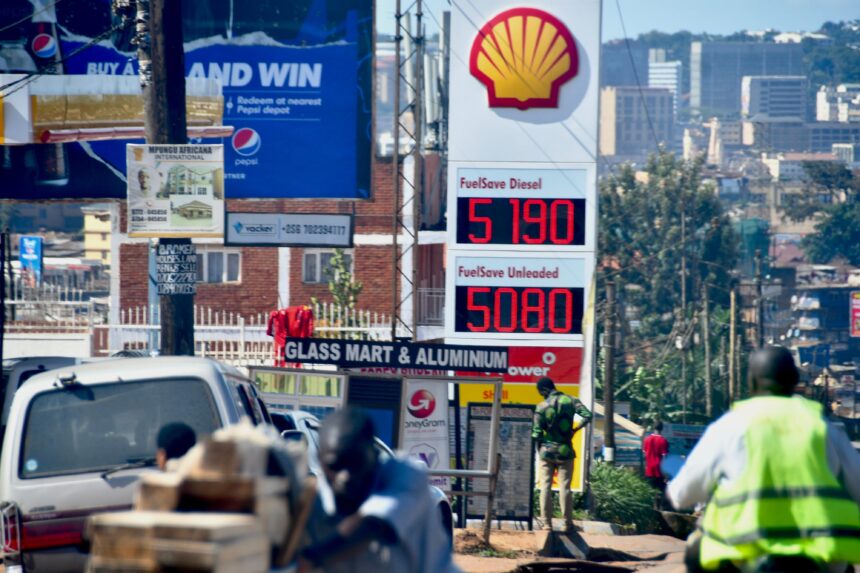
Fuel is an essential component in practically every area of the economy, from transportation and agriculture to industry and services.
When prices rise substantially, the consequences rarely stay inside the energy sector; instead, they spread throughout supply chains, raising the cost of goods and services and diminishing total purchasing power.
High fuel costs expose structural vulnerabilities in many African countries that rely heavily on imports.
Domestic petrol prices frequently respond swiftly to international shocks due to exchange rate volatility, limited refining capacity, and reliance on global oil markets.
As a result, governments must make difficult trade-offs between allowing market pricing to prevail and acting to protect consumers, often at great budgetary expense.
Long-term high gasoline prices can hinder growth, reduce consumer demand, and strain governmental finances.
Recent events in Nigeria demonstrate how fuel price pressures can worsen under market-based systems.
Since the deregulation of the downstream petroleum sector, fuel prices have grown more vulnerable to global crude oil movements and local currency fluctuations.
In recent weeks, increased international oil prices and higher refinery gate costs have raised pump prices across the country.
These hikes have directly impacted transportation fares, food prices, and small company operating costs, exacerbating household cost-of-living issues.
Malawi, which typically boasts one of Africa’s largest fuel prices each month, provides a more extreme illustration of the economic shock that high fuel costs can cause.
The country has implemented a sharp fuel price hike of more than 40% under an automatic pricing structure based on international costs and import charges.
Consequences as a result could become especially severe for low-income households and rural regions, where fuel prices play a disproportionate role in the transportation of products and people.
With that said, here are the African countries with the highest cost of fuel in February 2026, as per data from GlobalPetrolPrices.
10 African countries with the highest fuel prices in February 2026
| 1 | Malawi | $2.868 | 2nd |
|---|---|---|---|
| 2 | Central African Republic | $1.897 | 21st |
| 3 | Senegal | $1.662 | 42nd |
| 4 | Zimbabwe | $1.560 | 48th |
| 5 | Burkina Faso | $1.536 | 51st |
| 6 | Cameroon | $1.517 | 52nd |
| 7 | Zambia | $1.510 | 53rd |
| 8 | Ivory Coast | $1.481 | 55th |
| 9 | Sierra Leone | $1.448 | 59th |
| 10 | Uganda | $1.403 | 63rd |
Compared to last month’s list, when the global average cost of fuel was 1.28 U.S. dollars per liter, as opposed to 1.30 U.S. dollars per liter, this month, fuel prices in Malawi, CAR, Zimbabwe, Burkina Faso, Cameroon, and the Ivory Coast increased.
While fuel prices for Zimbabwe and Zambia reduced marginally.
Email Us on editorial@nnafrica.com