

If one country could tell the story of an entire continent, it might be Cameroon.
Often described as “Africa in Miniature,” Cameroon contains an astonishing diversity of landscapes, cultures, languages, and traditions within its borders. From tropical rainforests and volcanic mountains to savannahs, deserts, and Atlantic beaches, the country reflects nearly every major geographical feature found across Africa.
The same diversity is evident among its people. Home to more than 250 ethnic groups and hundreds of languages and dialects, Cameroon is one of the most culturally rich nations on the continent. Yet despite these differences, generations of Cameroonians have forged a shared national identity rooted in resilience, creativity, and community.
For travelers seeking to experience Africa’s extraordinary diversity in a single destination, few countries offer a richer cultural journey than Cameroon.
Why Cameroon Is Called “Africa in Miniature”
The nickname is more than a tourism slogan—it is a reflection of reality.
Cameroon’s territory stretches from the humid Atlantic coast to the semi-arid Sahel region in the north. Along the way, visitors encounter dense rainforests, fertile highlands, dramatic mountains, rolling grasslands, and vibrant urban centers.
This remarkable variety has shaped the lifestyles, traditions, and cultures of the people who call Cameroon home.
In many ways, traveling across Cameroon feels like traveling through several African countries at once.
A Nation of More Than 250 Ethnic Communities
One of Cameroon’s greatest strengths is its cultural diversity.
The country is home to dozens of major ethnic groups, including the Bamileke, Fulani, Duala, Tikar, Fang, and many others. Each community contributes unique customs, languages, artistic traditions, and social practices.
This diversity is reflected in clothing, architecture, music, food, and ceremonies across the country.
Far from weakening national unity, these cultural differences have become an essential part of Cameroon’s identity, creating a rich social tapestry that continues to evolve.
The Traditional Kingdoms That Still Command Respect
Long before colonial borders were established, powerful kingdoms and chiefdoms flourished throughout Cameroon.
Many of these traditional institutions continue to play important cultural roles today, particularly in the western highlands. Local chiefs and kings remain respected custodians of history, customs, and community values.
Royal palaces, ceremonial festivals, and traditional councils help preserve centuries-old traditions while adapting to modern realities.
Visitors to regions such as the Grassfields often encounter elaborate royal ceremonies that provide a fascinating glimpse into Cameroon’s living heritage.
Mount Cameroon: The Mountain That Shapes Local Life
Rising more than 4,000 meters above sea level, Mount Cameroon is the highest peak in Central and West Africa.
Known locally as the “Mountain of Greatness,” the volcano dominates both the landscape and the cultural imagination of nearby communities.
Traditional beliefs and stories often connect the mountain to spiritual forces and ancestral traditions. For generations, it has inspired respect, myths, and cultural practices among the people living in its shadow.
Today, the mountain attracts hikers and adventurers from around the world while remaining an important symbol of national pride.
The Music and Dance Traditions That Unite Communities
Music is woven into the fabric of Cameroonian society.
Across the country, traditional rhythms accompany weddings, harvest festivals, religious ceremonies, and community celebrations. Drums, xylophones, flutes, and string instruments create distinctive sounds that vary from one region to another.
Cameroon has also produced internationally influential musical styles. Genres such as makossa and bikutsi have gained recognition far beyond the country’s borders, helping introduce Cameroonian culture to global audiences.
Whether in a village gathering or a modern concert hall, music remains a powerful expression of identity and belonging.
What Cameroonian Cuisine Reveals About Cultural Diversity
The diversity of Cameroon is perhaps most visible at the dining table.
Different regions offer distinct culinary traditions shaped by local ingredients and cultural influences. Popular dishes include ndolé, a flavorful vegetable and peanut-based meal, as well as grilled fish, plantains, cassava, and a variety of stews.
Food often serves as a celebration of community. Families gather around shared meals, while markets bustle with vendors selling fresh produce, spices, and traditional specialties.
Every dish tells a story about the people and places that created it.
The Colorful Festivals That Keep Traditions Alive
Throughout the year, communities across Cameroon celebrate festivals that honor history, spirituality, and cultural identity.
These events feature traditional dances, ceremonial attire, storytelling, and artistic performances that have been passed down through generations.
Many festivals also provide opportunities for younger generations to learn about their heritage and strengthen connections to their communities.
In a rapidly changing world, these celebrations help ensure that cultural traditions remain vibrant and relevant.
How Modern Cameroon Balances Heritage and Progress
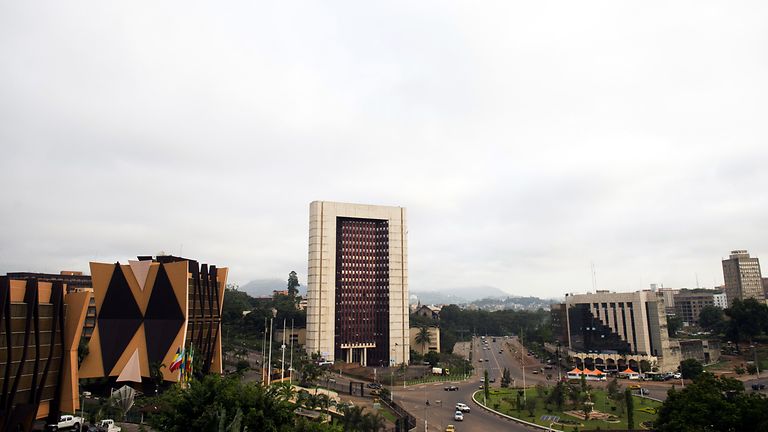
Cities such as Douala and Yaoundé showcase a country embracing modernization while remaining connected to its roots.
Young entrepreneurs, artists, musicians, and innovators are contributing to economic growth and cultural transformation. Technology and education are creating new opportunities, particularly for the country’s growing youth population.
At the same time, traditional institutions, local languages, and cultural practices continue to play important roles in everyday life.
This balance between continuity and change is helping Cameroon navigate the challenges and opportunities of the twenty-first century.
The Rainforests That Sustain Ancient Ways of Life
Cameroon’s southern forests are among the most ecologically important regions in Africa.
These rainforests support extraordinary biodiversity and provide homes for indigenous communities whose lifestyles have been shaped by the forest for generations.
Traditional knowledge of plants, wildlife, and natural resources remains invaluable, offering insights into sustainable living and environmental stewardship.
The forests are not merely landscapes—they are living cultural spaces where history, spirituality, and daily life intersect.
Why Cameroon Represents the Spirit of Africa’s Diversity
Cameroon is more than a country; it is a reflection of Africa’s remarkable complexity.
Its mountains, forests, cities, and coastlines tell stories of adaptation and resilience. Its many peoples demonstrate how diversity can become a source of strength rather than division. Its traditions reveal the enduring importance of culture in shaping identity and community.
For travelers, Cameroon offers a rare opportunity to experience multiple worlds within a single nation.
It is a place where ancient kingdoms coexist with modern cities, where hundreds of languages contribute to a shared national story, and where cultural diversity is celebrated rather than feared.
There is a reason Cameroon is known as Africa in Miniature. To understand Cameroon is, in many ways, to understand the richness, diversity, and spirit of the African continent itself.
Email Us on editorial@nnafrica.com