

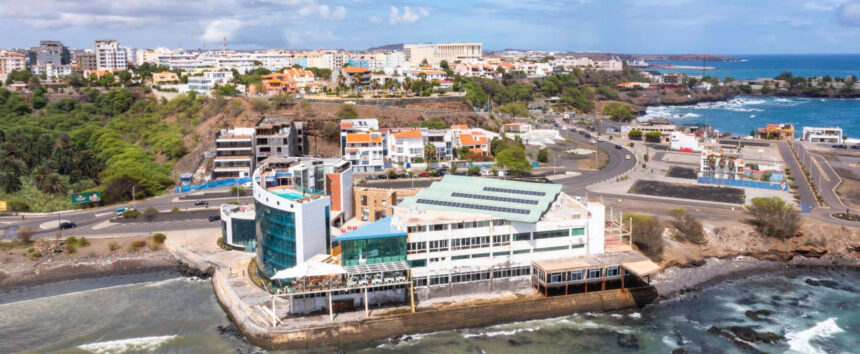
Scattered across the Atlantic Ocean about 600 kilometers off the coast of West Africa lies a nation unlike any other on the continent. Cabo Verde, an archipelago of ten volcanic islands, is a place where African heritage, Portuguese influences, and centuries of maritime history have blended to create a culture that is both unique and deeply captivating.
Known for its stunning coastlines, vibrant music, and warm hospitality, Cabo Verde has long been a crossroads between continents. Sailors, traders, explorers, and migrants have all left their mark on these islands, shaping a society that embraces diversity while maintaining a strong sense of identity.
For many visitors, Cabo Verde’s greatest attraction is not its beaches or landscapes but its unmistakable soul—a spirit expressed through music, community, and a deep connection to the sea.
Why Cabo Verde Is One of Africa’s Most Unique Cultural Destinations
Unlike many African nations whose borders were shaped by vast inland territories, Cabo Verde’s identity was forged by the ocean.
The islands were uninhabited until Portuguese settlers arrived in the fifteenth century. Over time, African and European influences merged, creating a distinct Creole culture that remains at the heart of Cabo Verdean life today.
This blending of traditions can be seen everywhere—from language and cuisine to architecture and music. The result is a nation that feels simultaneously African, Atlantic, and entirely its own.
For travelers seeking a destination that defies simple labels, Cabo Verde offers a fascinating cultural journey.
The Ocean That Shaped a Nation
Life in Cabo Verde has always been closely tied to the Atlantic Ocean.
For centuries, the sea provided opportunities for trade, exploration, and migration. It also brought challenges, including isolation, droughts, and economic hardship.
As a result, resilience became an essential part of the national character. Many Cabo Verdean families have relatives living abroad, creating a global diaspora that stretches across Europe, the Americas, and Africa.
Despite these international connections, the islands maintain strong cultural traditions rooted in local communities and shared experiences.
The ocean remains both a livelihood and a symbol of the country’s enduring relationship with the wider world.
Morna: The Music That Captures the Cabo Verdean Soul
No discussion of Cabo Verde is complete without mentioning morna, the musical genre that has become synonymous with the nation’s identity.
Often compared to blues or fado, morna combines poetic lyrics with emotional melodies that express longing, love, nostalgia, and hope.
The music reflects a uniquely Cabo Verdean feeling known as sodade—a deep sense of yearning often associated with separation from loved ones and distant homelands.
This musical tradition gained international recognition through the legendary singer , whose powerful voice introduced Cabo Verde’s culture to audiences around the globe.
Today, morna remains a cherished part of everyday life, performed in homes, restaurants, festivals, and community gatherings.
Santiago and São Vicente: Islands with Distinct Personalities
Each island in Cabo Verde possesses its own character and cultural identity.
Santiago, the largest island, is considered the historical and political heart of the nation. It is home to the capital city, Praia, and many important cultural landmarks.
São Vicente, meanwhile, is renowned for its artistic energy and musical heritage. The city of Mindelo is often described as the cultural capital of Cabo Verde, attracting musicians, writers, and performers from across the archipelago.
Visitors quickly discover that exploring Cabo Verde means experiencing multiple cultures within a single nation.
The Festivals That Bring the Islands to Life
Celebration plays an important role in Cabo Verdean culture.
Throughout the year, festivals fill towns and villages with music, dance, colorful costumes, and communal gatherings. Carnival is among the most famous events, particularly in Mindelo, where elaborate parades transform the streets into vibrant displays of creativity.
Religious festivals, cultural celebrations, and local traditions also provide opportunities for communities to come together and honor their shared heritage.
These events highlight the joy, resilience, and artistic spirit that define Cabo Verdean society.
What Cabo Verdean Cuisine Reveals About Island Life
Food tells the story of a nation shaped by both land and sea.
The country’s most famous dish is cachupa, a hearty stew made from maize, beans, vegetables, and often fish or meat. Considered the national dish, it reflects the resourcefulness and creativity of island communities.
Fresh seafood plays a major role in coastal cuisine, while tropical fruits and locally grown ingredients add flavor and variety to everyday meals.
Meals are often social occasions where family and friends gather to share food, stories, and laughter.
As with many aspects of Cabo Verdean culture, hospitality remains a central value.
The Creole Identity That Defines Modern Cabo Verde
Perhaps the most distinctive feature of Cabo Verde is its Creole identity.
Over centuries, African and European influences blended to create unique traditions, languages, and customs that cannot be found elsewhere.
The Cabo Verdean Creole language is spoken throughout the islands and serves as an important symbol of national unity. Music, literature, and art continue to celebrate this rich cultural fusion.
Rather than choosing between different influences, Cabo Verde has transformed diversity into one of its greatest strengths.
How Cabo Verde Balances Tradition and Modern Growth
Today, Cabo Verde is widely recognized for its political stability, growing tourism sector, and expanding economy.
Young people are increasingly engaged in entrepreneurship, technology, education, and creative industries. At the same time, cultural institutions work to preserve traditional music, language, and customs.
This balance between heritage and innovation has helped the country maintain a strong sense of identity while embracing opportunities for development.
For many observers, Cabo Verde offers an inspiring example of how small nations can thrive without losing their cultural roots.
Why Cabo Verde Leaves a Lasting Impression
Cabo Verde is more than a collection of beautiful islands.
It is a nation shaped by the Atlantic, enriched by cultural diversity, and united by a deep sense of community. Its music captures emotions that transcend borders. Its traditions tell stories of resilience and adaptation. Its people embody warmth and hospitality.
For travelers seeking authentic experiences, Cabo Verde offers a rare combination of natural beauty and cultural depth.
Here, where Africa meets the Atlantic, every island has a story to tell—and every melody carries a piece of the nation’s soul.
The result is one of Africa’s most distinctive destinations, a place where culture flows as naturally as the ocean that surrounds it.
Email Us on editorial@nnafrica.com