

Deep in the heart of Africa lies a country that remains one of the continent’s greatest mysteries. While travelers flock to Africa’s famous safari destinations and coastal cities, the Central African Republic offers something far rarer: an opportunity to experience ancient rainforest cultures, untouched wilderness, and traditions that have survived for centuries.
Often overlooked on tourism maps, the Central African Republic is a land where forests shape identities, rivers connect communities, and oral traditions preserve histories that were never written in books.
For those seeking the authentic soul of Africa, this nation reveals a side of the continent that remains largely undiscovered by the outside world.
The Country Hidden at the Center of Africa
Few nations are as geographically symbolic as the Central African Republic.
Located almost at the exact center of the continent, the country serves as a meeting point between Central and East Africa. Its vast territory includes tropical forests, savannah grasslands, rivers, and remote villages that have maintained traditional ways of life for generations.
Unlike many modern destinations shaped by mass tourism, much of the Central African Republic remains deeply connected to its cultural roots and natural environment.
It is this authenticity that makes the country one of Africa’s most intriguing cultural destinations.
How the Rainforest Became a Way of Life
The forests of the Central African Republic are among the most important ecosystems in the world.
Part of the vast Congo Basin rainforest, these forests provide food, medicine, shelter, and spiritual meaning for countless communities.
For generations, local populations have developed a profound understanding of the natural world. Knowledge of medicinal plants, wildlife behavior, seasonal cycles, and forest resources has been passed from elders to younger generations through oral traditions.
The forest is not simply a landscape—it is a teacher, a provider, and a living part of cultural identity.
This deep relationship with nature continues to shape daily life across large parts of the country.
The Indigenous Communities Preserving Ancient Knowledge
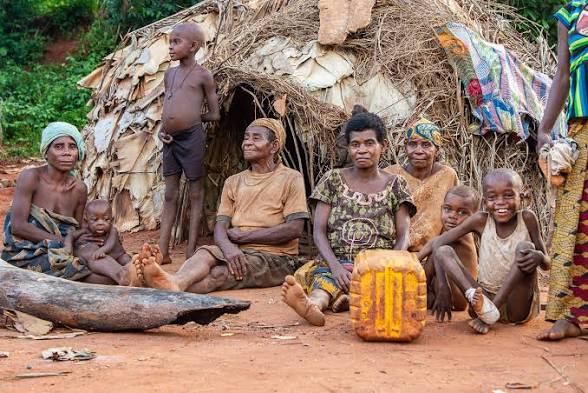
Among the most remarkable cultural treasures of the Central African Republic are its indigenous forest communities.
For centuries, these groups have maintained unique lifestyles adapted to the rainforest environment. Their traditions emphasize cooperation, environmental stewardship, and a deep respect for the natural world.
Songs, stories, ceremonies, and traditional practices serve as living archives of knowledge accumulated over generations.
Today, researchers and conservationists increasingly recognize the importance of indigenous wisdom in protecting forests and preserving biodiversity.
In many ways, these communities are guardians of knowledge that the modern world is only beginning to appreciate.
The Oral Storytelling Traditions That Keep History Alive
In many parts of the Central African Republic, history is not found in libraries—it is carried in memory.
Storytelling remains one of the most important cultural practices throughout the country. Elders gather younger generations to share legends, folktales, and historical accounts that explain the origins of communities and the values that guide them.
These stories often teach lessons about courage, honesty, respect, and responsibility.
Without written records, oral traditions became the foundation of cultural continuity. Even today, they remain essential tools for preserving identity and transmitting knowledge across generations.
Why Music and Dance Remain the Heartbeat of Community Life
Across villages and towns, music and dance play a central role in bringing people together.
Traditional drums, hand-crafted instruments, and powerful vocal performances accompany celebrations, weddings, harvest festivals, and important ceremonies.
Dance often serves as a form of storytelling, expressing community values and historical memories through movement and rhythm.
For many Central Africans, music is not merely entertainment. It is a language of connection, identity, and shared experience.
The vibrant energy of these performances reflects the resilience and creativity that characterize the nation’s culture.
The Wildlife That Inspired Legends and Beliefs
The forests and savannahs of the Central African Republic are home to some of Africa’s most iconic wildlife.
Forest elephants, gorillas, chimpanzees, antelopes, and countless bird species inhabit landscapes that have inspired local folklore for centuries.
Animals frequently appear in traditional stories, myths, and spiritual beliefs. Many communities view wildlife not only as part of nature but also as symbols carrying deeper cultural meanings.
This connection between people and wildlife has helped shape a worldview rooted in respect for the natural environment.
The Traditional Foods That Bring Families Together
Food is an important expression of community throughout the Central African Republic.
Cassava, plantains, maize, rice, vegetables, and locally sourced proteins form the basis of many traditional meals. Recipes often reflect generations of agricultural knowledge and adaptation to local environments.
Meals are typically shared among family members and guests, reinforcing values of hospitality and togetherness.
In many communities, preparing food remains a collective activity that strengthens social bonds and preserves cultural traditions.
How Faith and Tradition Coexist in Modern Society
Religion plays an important role in contemporary life, with Christianity and Islam widely practiced across the country.
At the same time, traditional spiritual beliefs continue to influence many cultural customs and ceremonies.
Respect for ancestors, connections to sacred places, and rituals linked to community life remain significant in various regions.
Rather than replacing traditional practices, modern religious influences often coexist alongside them, creating a rich and diverse spiritual landscape.
A Young Generation Protecting an Ancient Heritage
Despite the challenges facing the country, young Central Africans are finding new ways to celebrate and preserve their cultural heritage.
Artists, musicians, educators, and community organizations are using modern platforms to share local traditions, languages, and stories with wider audiences.
Technology is helping bridge generations while ensuring that cultural knowledge remains accessible to the future.
This blend of tradition and innovation reflects a society determined to protect its identity while embracing new opportunities.
Why the Central African Republic Deserves Global Attention
The Central African Republic is often discussed in terms of its difficulties. Yet doing so overlooks one of Africa’s richest cultural and environmental legacies.
This is a country where forests remain sacred, stories remain alive, and communities continue to draw strength from traditions passed down through centuries.
Its greatest treasures are not skyscrapers or famous landmarks but the people, cultures, and knowledge systems that have endured through time.
For travelers, researchers, and anyone interested in Africa’s cultural diversity, the Central African Republic offers a powerful reminder that some of the continent’s most extraordinary stories are still waiting to be discovered.
At the heart of Africa, surrounded by rainforest and tradition, a remarkable cultural heritage continues to thrive—quietly, resiliently, and against all odds.
Email Us on editorial@nnafrica.com