


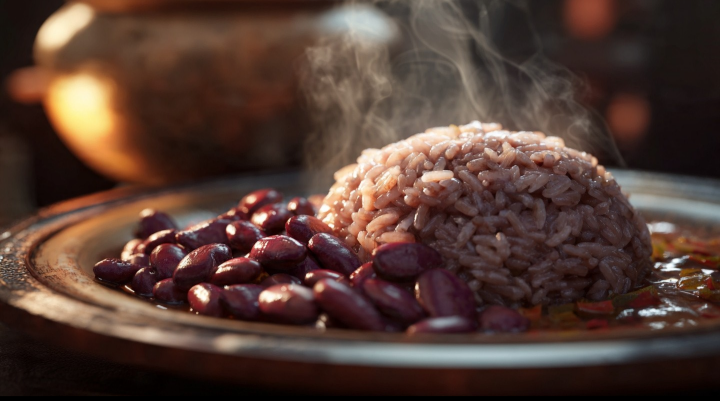
Waakye, Ghana’s beloved rice and beans dish cooked with sorghum leaves, is getting a gourmet upgrade in Accra as chefs reimagine the street food staple for 2026 diners without losing its soul.
At upscale spots like Blaq Chef’s Table and street-corner pop-ups in Osu, waakye now appears plated with smoked salmon, sous-vide chicken, and truffle shito. Yet the base remains unchanged: rice and black-eyed peas cooked with waakye leaves that give the dish its signature brown color.
Chef Selassie Atadika of Midunu calls it “respectful reinvention.” She serves waakye with organic sorghum, pasture-raised beef, and fermented chili sauce made in-house. “The flavor memory has to be there,” she said. “Ghanaians should taste their childhood, just presented differently.”
The trend started in 2024 when Accra’s food bloggers began posting ‘fancy waakye’ shots. By 2026 it’s a full movement. Food tours now include waakye stops alongside jollof tastings. Diaspora visitors ask for it by name.
Traditional waakye sellers aren’t being left behind. Auntie Muni in Makola Market added grilled tilapia and avocado to her menu after tourists requested it. She still uses firewood and black polythene bags for takeaway — but now charges 25 cedis instead of 12.
Nutritionists say the reinvention highlights waakye’s strengths: high fiber, plant protein, and low glycemic index. Adding lean proteins and vegetables makes it appeal to health-conscious diners. “This was never junk food,” said dietitian Ama Boahemaa. “Now people see it.”
Social media drives demand. Instagram posts tagged #GourmetWaakye hit 89k views in May 2026. Chefs share plating techniques: molding rice into cylinders, fanning plantain, dotting shito artistically. But they warn against ‘waakye fusion’ that removes the sorghum leaves — “then it’s just rice and beans,” one chef joked.
Food tourism operators report waakye cooking classes sell out. Visitors learn to wash leaves, control cooking time, and balance the salt. The lesson: waakye is technique, not just ingredients.
Critics argue gourmet versions price out locals. A plate at a hotel restaurant can cost 85 cedis vs 15 cedis at a street cart. Chef Atadika responds by running community cookouts where she serves traditional waakye at cost price once monthly.
For Ghana, this is soft power. Waakye represents resourcefulness — making flavor from simple ingredients. That story resonates with 2026 travelers seeking authenticity over luxury.
As Accra’s food scene matures, waakye proves tradition and innovation can share a plate. The sorghum leaves stay. The flavor stays. Only the presentation changes.
Email Us on editorial@nnafrica.com