

In the mist-covered hills of southwestern Uganda, where steep terraces cling to mountainsides and fertile valleys stretch into the distance, live the Bakiga—a people whose determination, resilience, and industrious spirit have become legendary across Uganda.
Often referred to as the “mountain people,” the Bakiga have transformed some of the country’s most rugged landscapes into productive farmland through generations of hard work. Their culture values honesty, perseverance, respect for elders, and community cooperation.
Today, the Bakiga are celebrated not only for their agricultural success but also for their contributions to education, business, public service, and national development.
Who Are the Bakiga?
The Bakiga are a Bantu-speaking community indigenous to the Kigezi sub-region of southwestern Uganda.
Their homeland includes the districts of Kabale, Kisoro, Rubanda, Rukiga, and parts of Kanungu. Many Bakiga have also settled in other parts of Uganda, particularly in western and central regions, where they have become successful farmers, traders, professionals, and entrepreneurs.
The region’s cool climate and mountainous terrain have shaped both the lifestyle and character of the Bakiga for centuries.
Origins and History
The Bakiga are believed to have settled in the Kigezi Highlands several centuries ago, establishing communities that relied primarily on agriculture.
Unlike some neighboring communities that developed centralized kingdoms, the Bakiga traditionally organized themselves through clans led by respected elders.
Their history is marked by self-reliance, community cooperation, and adaptation to one of Uganda’s most challenging landscapes. Over time, they became known for transforming steep hillsides into productive farmland through terracing and careful land management.
Clans and Community Life
The Bakiga are organized into numerous clans, each with its own history and traditions.
Clans play an important role in:
- Family identity
- Marriage customs
- Cultural ceremonies
- Conflict resolution
- Preserving oral history
Community members work together during farming seasons, house construction, and ceremonies, reflecting the Bakiga belief that success is achieved through cooperation.
Language
The Bakiga speak Rukiga, a Bantu language closely related to Runyankole and several other languages spoken in western Uganda.
Rukiga is rich in proverbs, folktales, riddles, and songs that teach moral values and preserve the community’s history.
The language continues to thrive in homes, schools, churches, and local media.
Farming: The Pride of the Bakiga
Agriculture has always been the foundation of Bakiga life.
For generations, families have cultivated the fertile mountain slopes, growing crops such as:
- Sorghum
- Millet
- Irish potatoes
- Sweet potatoes
- Beans
- Maize
- Bananas
- Peas
The Bakiga are especially known for potato farming, with the Kigezi Highlands producing some of Uganda’s finest Irish potatoes.
Their carefully terraced hillsides are admired as an example of sustainable farming in mountainous regions.
Traditional Homes
Traditional Bakiga homes were built using poles, bamboo, mud, and grass thatch.
Homesteads were often surrounded by terraced gardens and livestock enclosures.
Although modern houses are now common, many rural communities still preserve traditional architectural styles alongside contemporary homes.
Food and Cuisine
Bakiga cuisine reflects the abundance of the Kigezi Highlands.
Popular traditional foods include:
- Irish potatoes
- Sweet potatoes
- Sorghum bread
- Millet porridge
- Beans
- Peas
- Cassava
- Matooke
- Groundnut sauce
- Beef and goat meat
Meals are often prepared using fresh produce from family gardens, emphasizing self-sufficiency and hospitality.
Traditional Dress
Today, the Bakiga generally wear modern clothing.
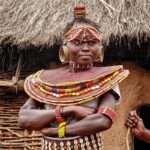
However, traditional attire remains an important feature of weddings, cultural festivals, and community celebrations.
Women often wear colorful dresses complemented by traditional accessories, while men wear ceremonial garments during important occasions.
Music and Dance
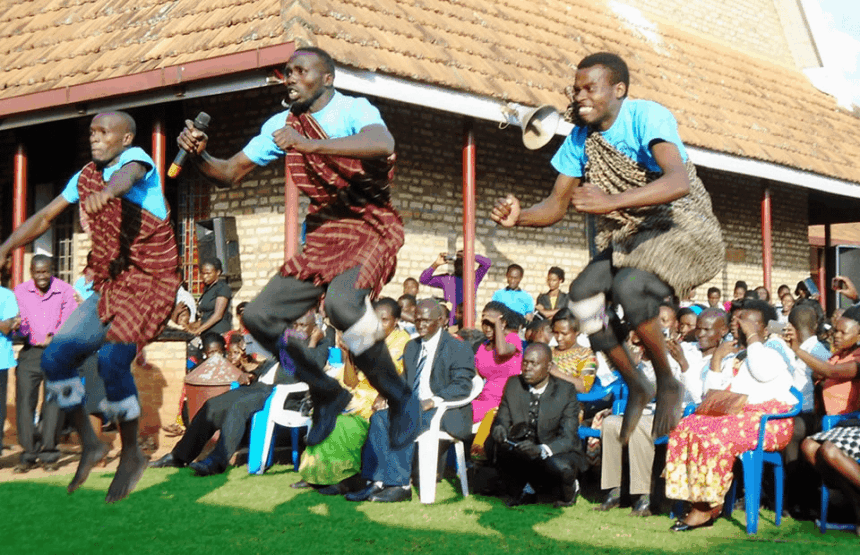
Music and dance are central to Bakiga cultural life.
Traditional performances celebrate:
- Weddings
- Harvests
- Births
- Community gatherings
- Cultural festivals
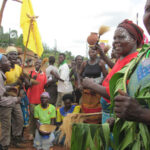
One of the best-known dances is the Ekizino, an energetic performance featuring rhythmic footwork, singing, and drumming.
Traditional songs tell stories of bravery, love, farming, and community life.
Marriage Customs
Marriage is regarded as a partnership between families.
Traditional marriage ceremonies include:
- Family introductions
- Bridewealth negotiations
- Blessings from elders
- Music and dancing
- Community feasts
Respect, mutual support, and family unity remain the foundation of Bakiga marriages.
Spiritual Beliefs
Before the arrival of Christianity, the Bakiga believed in Ruhanga, the supreme creator, and respected ancestral traditions.
Today, Christianity is the dominant religion, though many cultural values and customs rooted in traditional beliefs continue to shape family and community life.
Economic Activities
The Bakiga are widely respected for their entrepreneurial spirit and strong work ethic.
Today, they participate in:
- Crop farming
- Livestock keeping
- Trade
- Education
- Healthcare
- Tourism
- Public service
- Manufacturing
- Small businesses
Many Bakiga have established successful enterprises across Uganda while maintaining strong ties to their ancestral homeland.
Preserving Bakiga Heritage
Community leaders, educators, and cultural organizations continue to promote the Rukiga language, traditional dances, folklore, and cultural history.
Schools and cultural festivals encourage young people to appreciate their heritage while preparing them for the opportunities of the modern world.
Did You Know?
- The Bakiga are widely known for their exceptional work ethic.
- The Kigezi Highlands are among Uganda’s most scenic regions.
- Terraced farming has been practiced by the Bakiga for generations.
- Irish potatoes from Kigezi are famous throughout Uganda.
- The Ekizino dance is one of the most recognizable traditional dances in southwestern Uganda.
Quick Facts
| Feature | Information |
|---|---|
| Region | Kigezi, Southwestern Uganda |
| Language | Rukiga |
| Traditional Leadership | Clan elders |
| Famous For | Terraced farming and Irish potatoes |
| Main Economic Activities | Agriculture, trade, education |
| Famous Dance | Ekizino |
Conclusion
The Bakiga are a people whose story is defined by resilience, determination, and an unwavering commitment to hard work. From the terraced hills of Kigezi to thriving communities across Uganda, they have built a legacy of perseverance and achievement.
Their language, music, traditions, and farming expertise continue to enrich Uganda’s cultural landscape. As new generations embrace education and innovation, the Bakiga remain proud guardians of a heritage that demonstrates how dedication, unity, and respect for the land can create lasting prosperity.
Email Us on editorial@nnafrica.com