

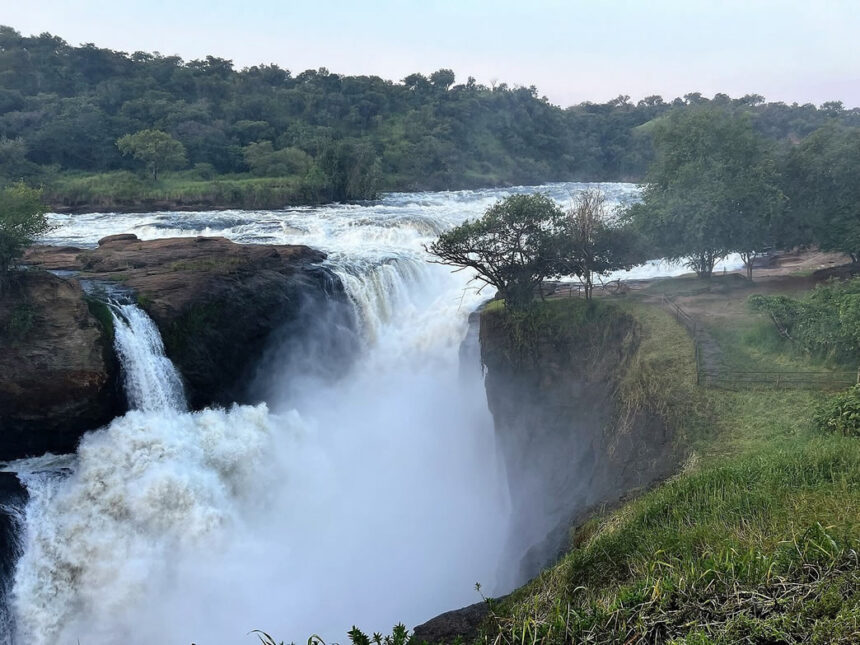
Along the banks of the Albert Nile in northwestern Uganda lives the Jonam, a community whose identity has been shaped profoundly by one of Africa’s great waterways.
For generations, the river has provided food, transportation, fertile land, and opportunities for trade. Fishing became an important part of Jonam life, while agriculture, livestock keeping, and commerce complemented the river economy.
Despite being one of Uganda’s smaller cultural communities, the Jonam possess a distinctive heritage that offers an important window into the cultural diversity of northern Uganda.
Who Are the Jonam?
The Jonam are an indigenous community living mainly along the Albert Nile in northwestern Uganda.
They are particularly associated with areas around:
- Pakwach
- Nwoya
- Nebbi
- The Albert Nile corridor
The name Jonam is closely associated with communities whose traditional livelihoods and settlements developed around the Nile.
The river has therefore been much more than a geographical feature. It has been central to their economy, settlement patterns, food culture, and social relationships.
Origins and History
Jonam history is closely connected with the wider Luo-speaking peoples of northern Uganda.
Over generations, communities settled along the Nile and surrounding plains, adapting their livelihoods to the river and the seasonal rhythms of the region.
The location also placed the Jonam at an important meeting point between different peoples, including the Alur, Acholi, Banyoro, and Lugbara.
Trade and movement along the river encouraged interaction between these communities and contributed to the exchange of languages, foods, customs, and goods.
A Culture Shaped by the Nile
The most distinctive feature of Jonam heritage is its relationship with the river.
The Albert Nile has traditionally provided:
- Fish
- Water
- Transport
- Agricultural opportunities
- Trade routes
- Natural resources
Fishing knowledge has been passed between generations, with older members teaching younger people about fishing locations, seasons, equipment, and river conditions.
This knowledge represents an important form of indigenous environmental understanding.
Traditional Leadership
Traditional Jonam society was organized largely around clans, families, and respected elders.
Community elders helped:
- Settle disputes
- Preserve customs
- Guide families
- Maintain social relationships
- Pass cultural knowledge to younger generations
Rather than relying on a centralized kingdom, authority traditionally operated through family and clan structures.
Clans and Family
The extended family has historically been one of the foundations of Jonam society.
Clan identity influences:
- Marriage
- Family relationships
- Inheritance
- Cultural obligations
- Community responsibilities
Elders traditionally serve as custodians of family histories and cultural knowledge.
Children learn customs through everyday participation in family and community life.
Language
Jonam communities speak varieties of Luo-related languages, with linguistic relationships to neighboring Luo-speaking communities.
Because Jonam communities live in a multilingual region, many people also communicate in other local languages.
This multilingual environment reflects the centuries of interaction that have taken place along the Albert Nile.
Traditional Homes
Traditional homes were constructed using locally available materials.
These included:
- Mud
- Wooden poles
- Reeds
- Grass
Homesteads could contain family houses, granaries, cooking areas, and livestock shelters.
Today, brick houses and iron-sheet roofing are increasingly common.
Fishing and Traditional Food
Fish has traditionally been one of the most important foods among communities living along the Albert Nile.
Other staple foods include:
- Cassava
- Millet
- Maize
- Sorghum
- Sweet potatoes
- Beans
- Groundnuts
- Sesame
- Chicken
- Goat meat
Fish can be prepared in different ways, including roasting, frying, smoking, or cooking in sauces.
The importance of fish goes beyond food: fishing has historically provided income and supported local trade.
Agriculture
Although fishing is strongly associated with Jonam communities, agriculture remains an important livelihood.
Farmers grow crops such as:
- Cassava
- Maize
- Millet
- Sorghum
- Groundnuts
- Sesame
- Beans
The combination of farming and fishing provides households with complementary sources of food and income.
Marriage and Family Traditions
Marriage traditionally brings together two families rather than simply two individuals.
Customary marriage may involve:
- Introduction of families
- Negotiations between relatives
- Bridewealth arrangements
- Elders’ blessings
- Music and dancing
- Community celebrations
Practices vary between families and locations, particularly because Jonam communities have interacted with neighboring ethnic groups for generations.
Modern weddings increasingly combine traditional customs with religious and civil ceremonies.
Music, Dance and Storytelling
Music and storytelling have historically played important roles in preserving Jonam culture.
Songs can accompany:
- Weddings
- Harvest celebrations
- Community gatherings
- Ceremonies
- Social events
Traditional stories and proverbs pass lessons about morality, family responsibilities, courage, cooperation, and respect for elders.
For communities with strong oral traditions, storytelling is effectively a living cultural archive.
Traditional Beliefs and Religion
Traditional Jonam spirituality included belief in a supreme creator and spiritual forces associated with ancestors and the natural world.
Today, Christianity is widespread among Jonam communities.
Catholic, Anglican, and other Christian denominations are represented in the region, while traditional cultural values continue to influence family and community practices.
The Importance of the Albert Nile Today
The river remains economically important to communities living along its banks.
Fishing, agriculture, transportation, tourism, and trade all contribute to the regional economy.
However, changing fishing practices, environmental pressures, population growth, and economic transformation are creating new challenges.
Protecting the river and its fish resources is therefore important not only for the environment but also for the cultural heritage of communities whose lives have historically depended upon it.
Preserving Jonam Heritage
Like many smaller indigenous communities, the Jonam face the challenge of preserving their identity in an increasingly urbanized and interconnected Uganda.
Important preservation efforts include:
- Recording oral histories
- Teaching indigenous languages
- Documenting fishing traditions
- Preserving traditional songs
- Recording clan histories
- Supporting cultural festivals
- Encouraging young people to learn from elders
Digital media can also help document Jonam heritage and make it accessible to younger generations and the African diaspora.
Did You Know?
- The Jonam are strongly associated with the Albert Nile corridor.
- Fishing has historically been an important part of their economy and food culture.
- Their communities exist within one of Uganda’s most culturally diverse regions.
- The Nile has influenced their settlement patterns, livelihoods, and traditions for generations.
- Oral storytelling remains an important way of transmitting cultural knowledge.
Quick Facts
| Feature | Information |
|---|---|
| Region | Northwestern/Northern Uganda |
| Main Area | Albert Nile corridor |
| Cultural Connections | Luo-speaking communities of northern Uganda |
| Traditional Organization | Families, clans and elders |
| Main Livelihoods | Fishing, agriculture, livestock keeping, trade |
| Important Natural Feature | Albert Nile |
Conclusion
The Jonam represent one of the clearest examples of how geography can shape culture. For generations, the Albert Nile has provided food, economic opportunities, transportation, and a setting around which communities have built their lives.
Their fishing knowledge, oral traditions, family structures, food culture, and relationship with the river form an important part of Uganda’s diverse cultural heritage.
As the region changes, preserving Jonam traditions will require passing knowledge from elders to younger generations while documenting a heritage that deserves greater recognition.
The story of the Jonam is ultimately a story of people and river—a reminder that some cultures cannot be fully understood without understanding the landscapes that shaped them.
Email Us on editorial@nnafrica.com