


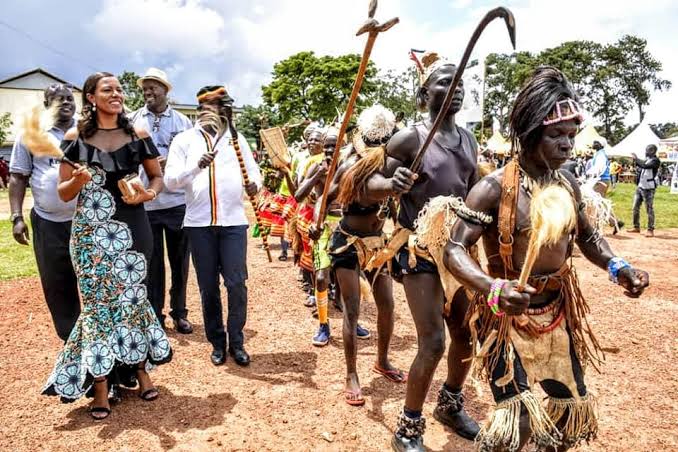
Along the shores of Lake Albert and the fertile plains of Uganda’s northwestern frontier lives the Alur, a proud Luo-speaking people whose history is deeply intertwined with one of East Africa’s oldest traditional monarchies. Known for their strong sense of identity, respect for leadership, and vibrant cultural traditions, the Alur have preserved a remarkable heritage that continues to thrive in the modern era.
For centuries, the Alur have combined agriculture, fishing, livestock keeping, and trade with a sophisticated traditional political system centered on kingship. Their rich oral history, music, and customs have made them one of Uganda’s most fascinating cultural communities.
Today, the Alur remain proud custodians of a heritage that connects Uganda with the neighboring Democratic Republic of the Congo, where many Alur communities also live.
Who Are the Alur?
The Alur are a Luo-speaking people belonging to the Western Nilotic language family.
In Uganda, they are found mainly in:
- Zombo District
- Nebbi District
- Pakwach District
- Parts of Buliisa District
Large Alur communities also live across the border in the Democratic Republic of the Congo, making them one of the major cross-border ethnic communities in the Great Lakes region.
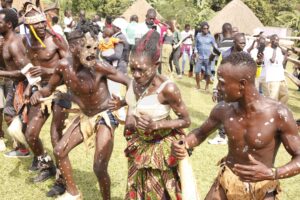
The Alur are among Uganda’s officially recognized cultural communities and maintain a vibrant traditional kingdom.
Origins and History
The Alur trace their ancestry to Luo-speaking migrants who moved south from the Upper Nile region several centuries ago.
As they settled around the Lake Albert basin, they established organized chiefdoms that gradually developed into the Alur Kingdom. Unlike many neighboring Luo-speaking communities, the Alur adopted a centralized monarchy while maintaining strong clan structures.
Their strategic location encouraged trade with neighboring communities such as the Acholi, Langi, Banyoro, Lugbara, and people living across present-day Congo.
Fishing, farming, hunting, and regional commerce became the foundation of their economy.
The Alur Kingdom
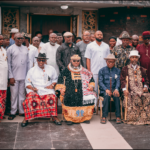
One of the defining features of Alur society is their traditional monarchy.
The kingdom is headed by the Rwoth, the cultural king of the Alur people.
The monarchy serves to:
- Preserve Alur traditions
- Promote cultural education
- Encourage unity
- Protect historical sites
- Support peaceful conflict resolution
Although the kingdom does not exercise political authority, it remains an important symbol of Alur identity and cultural continuity.
Clans and Social Organization
The Alur are organized into numerous clans that form the foundation of community life.
The clan system regulates:
- Marriage
- Family relationships
- Land ownership
- Inheritance
- Cultural ceremonies
- Community leadership
Clan elders remain respected custodians of customary law and oral history.
Language
The Alur speak Alur (Lur), a Western Nilotic language closely related to Acholi, Adhola, and Lango.
The language is widely spoken in:
- Homes
- Schools
- Churches
- Community gatherings
- Local radio stations
Alur oral literature includes proverbs, folktales, songs, praise poetry, and historical narratives that continue to preserve the community’s identity.
Traditional Homes
Traditionally, Alur families built circular houses using mud walls and grass-thatched roofs.
A homestead commonly included:
- Family houses
- Granaries
- Livestock shelters
- Outdoor kitchens
- Meeting spaces
Modern brick houses have become increasingly common, but traditional compounds remain part of rural life.
Food and Cuisine
The fertile Lake Albert basin supports a wide variety of crops and fishing activities.
Traditional foods include:
- Cassava
- Millet
- Sorghum
- Sweet potatoes
- Maize
- Beans
- Groundnut sauce
- Fresh fish
- Beef
- Goat meat
- Chicken
Fish from Lake Albert has long been one of the defining features of Alur cuisine.
Meals are traditionally shared among extended family members and visitors.
Traditional Dress
Modern clothing is common throughout Alur communities.
Traditional attire is still worn during:
- Royal ceremonies
- Weddings
- Cultural festivals
- Community celebrations
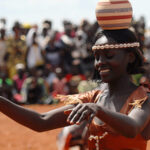
Colorful garments, beadwork, ceremonial staffs, and traditional ornaments symbolize respect for Alur heritage.
Music and Dance
Music occupies a central place in Alur culture.
Traditional performances feature:
- Drumming
- Singing
- Flutes
- Harps
- Rhythmic dancing
Music accompanies:
- Royal ceremonies
- Weddings
- Harvest festivals
- Birth celebrations
- Community gatherings
Songs celebrate bravery, leadership, family life, and historical achievements.
Marriage and Family Life
Marriage is regarded as an important alliance between families and clans.
Traditional ceremonies include:
- Family introductions
- Bridewealth negotiations
- Blessings by elders
- Music and dance
- Community feasts
Bridewealth traditionally consists of cattle or other agreed gifts that strengthen family relationships.
The extended family plays an important role in raising children and preserving cultural traditions.
Spiritual Beliefs
Historically, the Alur believed in a supreme creator while honoring ancestral spirits and sacred places.
Today, Christianity is the dominant religion, particularly Catholicism and Anglicanism, although traditional cultural beliefs continue to influence family ceremonies and community customs.
Economic Activities
The Alur economy is built on agriculture, fishing, and trade.
Major economic activities include:
- Fishing
- Cassava farming
- Maize cultivation
- Tobacco farming
- Livestock keeping
- Cross-border trade
- Education
- Public service
- Tourism
The Lake Albert fishery remains one of the region’s most valuable natural resources.
Famous Sons and Daughters
The Alur have produced respected leaders in education, religion, medicine, politics, business, and public administration.
Notable figures include:
- Dr. Christine Dranzoa – renowned academic, conservationist, and the founding Vice Chancellor of Muni University.
- Many Alur educators, entrepreneurs, religious leaders, and civil servants continue to contribute to Uganda’s development.
Preserving Alur Heritage
The Alur Kingdom, together with cultural organizations and educational institutions, continues to promote the Alur language, traditional dances, oral history, music, and royal customs.
Annual cultural celebrations and educational initiatives help ensure that younger generations remain connected to their heritage.
Did You Know?
- The Alur Kingdom is one of Uganda’s officially recognized traditional cultural institutions.
- The Alur live in both Uganda and the Democratic Republic of the Congo.
- Fishing on Lake Albert has sustained Alur communities for centuries.
- The Alur language belongs to the Western Nilotic branch of the Luo language family.
- The Alur monarchy remains an important symbol of unity and cultural identity.
Quick Facts
| Feature | Information |
|---|---|
| Region | Northwestern Uganda |
| Language | Alur (Lur) |
| Ethnic Group | Western Nilotic (Luo) |
| Cultural Institution | Alur Kingdom |
| Traditional Leader | Rwoth |
| Main Economic Activities | Fishing, agriculture, livestock, trade |
| Famous Landmark | Lake Albert |
Conclusion
The Alur are one of Uganda’s most historically significant communities, blending a rich Luo heritage with the enduring traditions of a respected monarchy. Their language, customs, music, and lakeside way of life have shaped generations of families living along the Lake Albert basin.
As they continue to preserve their royal traditions while embracing education, conservation, and economic development, the Alur remain an important part of Uganda’s cultural identity. Their story reflects the strength of tradition, the value of unity, and the enduring legacy of one of East Africa’s oldest cultural kingdoms.
Email Us on editorial@nnafrica.com