

In the fertile plains of eastern Uganda, where rivers nourish expansive wetlands and rice fields stretch across the landscape, live the Banyole, a community whose culture has flourished through centuries of farming, trade, and strong family traditions. Although they are smaller in population than some of their neighbors, the Banyole have maintained a proud identity rooted in hard work, hospitality, and respect for their cultural heritage.
Their homeland has long been a crossroads connecting Busoga, Bugisu, Teso, and Bukedi, allowing the Banyole to build peaceful relationships with neighboring communities while preserving their own language and customs.
Today, the Banyole continue to celebrate their traditions while contributing to Uganda’s agriculture, education, business, and public service.
Who Are the Banyole?
The Banyole are a Bantu-speaking people indigenous to eastern Uganda.
They are found primarily in:
- Butaleja District
- Parts of Namutumba District
- Parts of Bugweri District
- Neighboring areas within the Bukedi region
The Banyole are one of the indigenous communities that make up the culturally rich Bukedi sub-region.
Although they share close cultural ties with neighboring Bagwere, Basoga, and Bagisu communities, they have preserved their own language and identity.
Origins and History
The Banyole are believed to descend from early Bantu-speaking migrants who settled in eastern Uganda many centuries ago.
Oral traditions suggest that they established farming communities in the fertile plains long before colonial rule. Their location encouraged trade with neighboring communities and fostered cultural exchange while allowing them to maintain their distinct traditions.
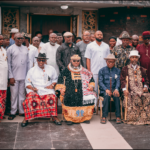
Unlike centralized kingdoms such as Buganda or Bunyoro, Banyole society developed around clans led by respected elders who guided community affairs and preserved customary law.
Clans and Social Organization
The clan system forms the foundation of Banyole society.
Clans help regulate:
- Marriage
- Family identity
- Inheritance
- Cultural ceremonies
- Conflict resolution
Clan elders continue to play an important role in preserving oral history, settling disputes, and teaching younger generations about their cultural responsibilities.
Respect for elders remains one of the defining values of Banyole culture.
Language
The Banyole speak Lunyole, a Bantu language closely related to Lugwere, Lusoga, and Lugisu.
Lunyole is widely spoken in homes, schools, churches, local radio stations, and community gatherings.
Its rich collection of proverbs, folktales, riddles, and songs helps preserve the history, wisdom, and traditions of the Banyole people.
Traditional Homes
Traditionally, Banyole families built circular houses using mud, wooden poles, reeds, and grass thatch.
A typical homestead included:
- Family houses
- Granaries
- Livestock shelters
- Outdoor cooking spaces
Although modern brick houses have become increasingly common, traditional compounds continue to be found throughout rural communities.
Food and Cuisine
Agriculture remains central to Banyole life.
Traditional foods include:
- Rice
- Millet
- Cassava
- Sweet potatoes
- Maize
- Beans
- Groundnut sauce
- Cowpeas
- Chicken
- Beef
- Fresh vegetables
The Banyole are particularly associated with rice cultivation, and Butaleja District is one of Uganda’s leading rice-producing areas.
Meals are traditionally shared among family members and visitors as a sign of hospitality and unity.
Traditional Dress
Today, most Banyole wear modern clothing in everyday life.
Traditional attire remains important during:
- Weddings
- Cultural festivals
- Clan gatherings
- Community celebrations
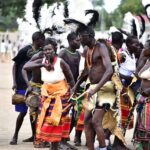
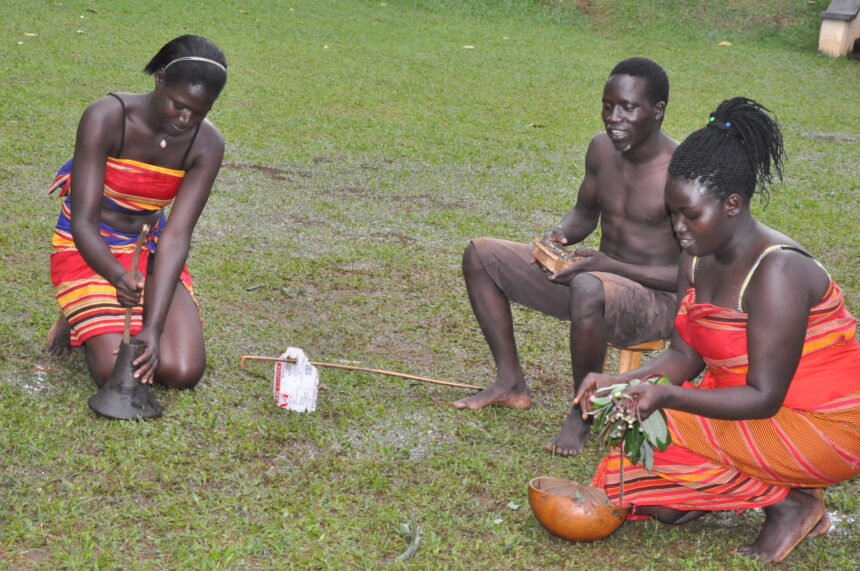
Colorful garments, handmade beadwork, necklaces, and bracelets continue to symbolize pride in Banyole heritage.
Music and Dance
Music and dance are central to Banyole cultural life.
Traditional performances accompany:
- Weddings
- Harvest festivals
- Naming ceremonies
- Cultural celebrations
- Community gatherings
Drums, rattles, flutes, and traditional singing create lively performances that celebrate family, agriculture, friendship, and community achievements.
Songs preserve historical events, moral lessons, and the stories of respected elders.
Marriage and Family Life
Marriage is regarded as a partnership between two extended families.
Traditional marriage ceremonies involve:
- Family introductions
- Bridewealth negotiations
- Blessings from elders
- Music and dancing
- Community feasts
Bridewealth traditionally includes livestock or other agreed gifts, symbolizing respect and commitment between families.
Extended families continue to play a central role in raising children and preserving cultural traditions.
Spiritual Beliefs
Historically, the Banyole believed in Katonda, the supreme creator, and respected ancestral traditions.
Today, Christianity is the dominant religion, with Catholic, Anglican, Pentecostal, and other Christian denominations active throughout the community. Islam is also practiced by some Banyole families.
Traditional values continue to influence cultural ceremonies and family life.
Economic Activities
The Banyole are among Uganda’s productive farming communities.
Major economic activities include:
- Rice cultivation
- Maize farming
- Cassava production
- Groundnut farming
- Livestock keeping
- Fishing in surrounding wetlands
- Trade
- Education
- Public service
- Small businesses
Rice farming has become one of the defining features of the local economy and contributes significantly to eastern Uganda’s food production.
Famous Sons and Daughters
The Banyole have produced respected leaders in education, religion, healthcare, business, and public service.
Many teachers, civil servants, entrepreneurs, agricultural experts, and community leaders from the Banyole community continue to contribute to Uganda’s national development.
Preserving Banyole Heritage
Community leaders, cultural organizations, educators, and local governments continue to promote the Lunyole language, traditional music, dances, folklore, and oral history.
Schools, cultural festivals, and heritage programs encourage younger generations to preserve their identity while embracing new opportunities.
Did You Know?
- The Banyole are one of the indigenous communities of the Bukedi region.
- Lunyole belongs to the Bantu language family.
- Butaleja District is one of Uganda’s leading rice-growing regions.
- Agriculture has shaped Banyole society for centuries.
- Oral storytelling remains an important way of preserving Banyole history and traditions.
Quick Facts
| Feature | Information |
|---|---|
| Region | Butaleja and surrounding districts, Eastern Uganda |
| Language | Lunyole |
| Ethnic Group | Bantu |
| Traditional Leadership | Clan elders |
| Main Economic Activities | Rice farming, agriculture, livestock keeping, trade |
| Famous Crop | Rice |
Conclusion
The Banyole are a hardworking and culturally vibrant community whose traditions have been shaped by the fertile plains of eastern Uganda. Their language, music, customs, and strong agricultural heritage continue to enrich Uganda’s cultural diversity.
As they embrace modern education, innovation, and economic growth, the Banyole remain committed to preserving the customs and values passed down through generations. Their story is one of resilience, unity, and an enduring connection to the land that has sustained them for centuries.
Email Us on editorial@nnafrica.com