


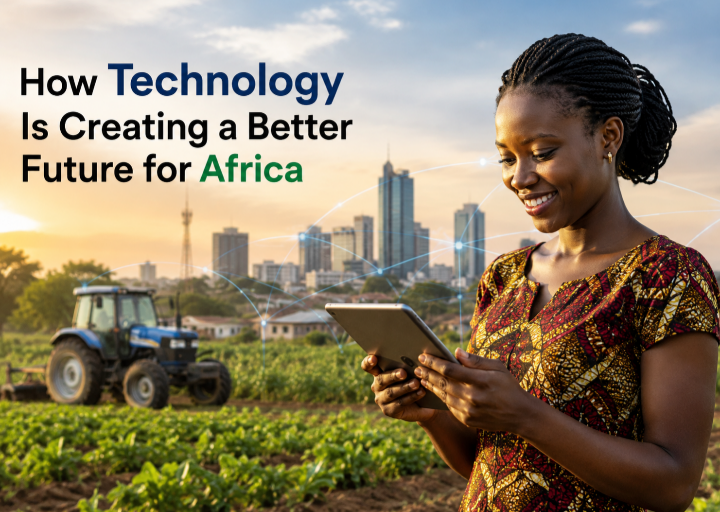
Africa is changing quickly, and technology is playing a big role in this transformation. Today, people across the continent are using digital tools to improve their daily lives, grow businesses, and connect with new opportunities. From small villages to busy cities, technology is helping people solve problems in smarter and faster ways.
The use of smartphones, internet services, digital payments, and online learning has increased in recent years. Governments, businesses, and young entrepreneurs are working together to build a stronger digital economy. Although some challenges still exist, Africa continues to make steady progress toward a more connected future.
Technology Is Changing Everyday Life
Technology has become part of daily life for millions of Africans. People now use mobile phones not only for communication but also for education, healthcare, shopping, banking, and business.
- Some common uses of technology include:
- Online banking and digital payments
- Virtual education and online courses
- Healthcare consultations through mobile apps
- Online shopping and delivery services
- Social media for communication and business promotion
- Government services available online
These digital services save time, reduce costs, and make important services easier to access.
Mobile Phones Are Driving Digital Growth
One of the biggest reasons for Africa’s digital growth is the increasing use of smartphones. Many people access the internet for the first time through their mobile devices.
With a smartphone, users can:
- Learn new skills online
- Apply for jobs
- Start small businesses
- Connect with customers
- Make secure financial transactions
- Read news from around the world
As internet coverage continues to improve, more people are becoming part of the digital economy.
Digital Payments Are Improving Financial Access
In many African countries, digital payment systems have become a popular way to send and receive money. People can pay bills, buy products, and transfer money without visiting a bank.
- Digital financial services offer several benefits:
- Faster money transfers
- Safe and secure transactions
- Better access for people without bank accounts
- Support for small businesses
- Easier payment of utility bills and school fees
These services are helping millions of people manage their finances more efficiently.
Technology Is Supporting Education
Education is becoming more accessible through digital platforms. Students can attend online classes, watch educational videos, and download study materials from anywhere with an internet connection.
Teachers also benefit by using digital tools to prepare lessons and communicate with students.
Advantages of online education include:
- Learning from any location
- Flexible study schedules
- Access to quality educational content
- Lower learning costs
- Improved digital skills
Technology is helping students prepare for future careers while reducing barriers to education.
Healthcare Is Becoming More Accessible
Technology is also improving healthcare services across Africa. Many hospitals and healthcare providers now offer online consultations, digital health records, and appointment booking systems.
Patients can receive medical advice without traveling long distances, especially in remote communities.
Healthcare technology helps by:
- Providing faster medical consultations
- Improving patient records
- Reducing waiting times
- Increasing healthcare awareness
- Supporting better disease monitoring
Digital healthcare solutions continue to improve access to medical services for many families.
Technology Is Helping Farmers
Agriculture remains one of Africa’s largest industries. Modern technology is helping farmers increase productivity while reducing risks.
Farmers now use digital tools to:
- Check weather forecasts
- Learn modern farming methods
- Buy seeds and fertilizers online
- Sell crops through digital marketplaces
- Access farming advice from experts
These improvements help farmers make better decisions and increase their income.
Opportunities for Young Entrepreneurs
Africa has a large and growing young population. Many young people are using technology to build businesses and create innovative solutions.
Startups are developing products and services in areas such as:
- Financial technology (FinTech)
- Agriculture
- Healthcare
- Education
- E-commerce
- Transportation
- Renewable energy
Technology is creating new employment opportunities while encouraging innovation across different industries.
Challenges That Still Need Attention
Although Africa has made significant progress, several challenges remain.
Some of the major challenges include:
- Limited internet access in rural areas
- High cost of internet services
- Lack of digital skills in some communities
- Cybersecurity risks
- Limited access to modern devices
- Uneven digital infrastructure
Governments and private organizations continue investing in infrastructure and digital education to overcome these obstacles.
The Future Looks Bright
The future of Africa’s digital economy is promising. More investments in technology, education, and infrastructure will continue to create opportunities for businesses and communities.
Emerging technologies such as artificial intelligence, cloud computing, renewable energy, and smart farming are expected to support economic growth across the continent.
Young innovators will continue developing solutions that improve healthcare, education, agriculture, transportation, and financial services.
With the right investments and policies, Africa can become one of the world’s leading digital economies.
Conclusion
Technology is transforming Africa in many positive ways. It is improving education, healthcare, agriculture, business, and financial services while creating new opportunities for millions of people.
Although challenges such as internet access and digital literacy still exist, the progress made over the past few years shows that Africa is moving in the right direction. By continuing to invest in innovation, digital skills, and infrastructure, the continent can build a stronger and more inclusive future.
The digital journey is only beginning, and technology will remain one of the key drivers of Africa’s growth and development for many years to come.
Author Bio –
Anushka Karande is an independent content writer and a content professional at KhetiGaadi.com. She specializes in creating SEO-friendly, engaging content across agriculture, tractors, technology, healthcare, business, and digital marketing, helping brands connect with their audience through informative and well-researched articles.
Email Us on editorial@nnafrica.com