

Katavi National Park in western Tanzania remains one of Africa’s last true wildernesses in 2026 — a place where 1,000-strong buffalo herds outnumber tourists by 100 to 1 and safari feels like discovery, not traffic.
Located 40km from Mpanda town, Katavi covers 4,471 sq km but receives fewer than 2,000 visitors yearly. Compare that to Serengeti’s 350,000. The result: roads with elephant tracks, not tire marks.
The park’s signature sight is the dry season hippo pools. From June to October, thousands of hippos cram into shrinking waterholes. Guides report 300+ hippos per pool, with males fighting and calves nursing inches from each other. “It’s chaos and survival at once,” said ranger Joseph Mayalla.
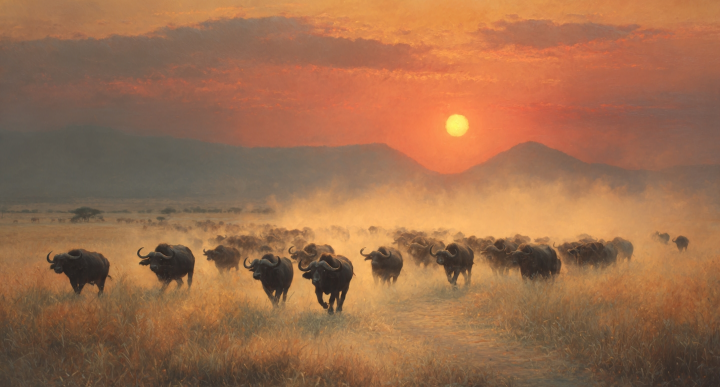
Buffalo herds dominate the plains. During migration periods, herds of 800-1,200 animals move across the floodplains, kicking up red dust visible for kilometers. Lions follow them constantly. Cheetah and wild dog sightings are frequent because predators don’t avoid vehicles — there are almost none.
Getting to Katavi is the barrier that protects it. No paved roads. Visitors fly from Dar es Salaam to Mpanda, then drive 3 hours on rough tracks. Lodges are limited: Katavi Wildlife Camp, Chada Camp, and FlyCamps. All are small, seasonal, and solar-powered.
“We don’t do game drives with 10 vehicles,” said camp manager Sarah Lwoga. “If you see another car, it’s an event. Guests hear birds, not engines.”
The park holds Tanzania’s highest buffalo density and large populations of roan antelope, sable, and puku — species rare in northern parks. Crocodiles over 5 meters bask on the Katuma River. Birdlife includes 400 species, from African skimmers to Pel’s fishing owls.
Tourism here funds anti-poaching directly. Park fees and concession payments support 120 rangers patrolling an area larger than Yellowstone. Community programs from nearby villages receive school and clinic support.
The trade-off is comfort. No Wi-Fi. Limited hot water. Fly-in camps pack up completely in wet season. But for safari purists, that’s the point. “Katavi is not for everyone,” a guide said. “If you need room service, go to Arusha. If you want Africa raw, come here.”
2026 bookings are up 18% as travelers seek uncrowded parks post-pandemic. Operators advise May-June and October for best wildlife + road access balance.
For Tanzania, Katavi proves remote doesn’t mean forgotten. It means preserved. Where buffalo herds still rule and tourists are guests, not crowds.
Email Us on editorial@nnafrica.com