

Most safari-goers head straight to Botswana’s Okavango Delta. But 400km southeast, the Northern Tuli Game Reserve is quietly becoming the region’s best-kept secret.
Known as “Tuli,” the 40,000-hectare private reserve borders Zimbabwe and South Africa. Its landscape is different from the Okavango: red sandstone cliffs, baobab groves, mopane woodland, and the Limpopo River forming natural boundaries.
“Crowds are the biggest complaint about the Delta,” said lodge manager Thabo Molosi. “In Tuli, you can drive for an hour and see no other vehicle.”
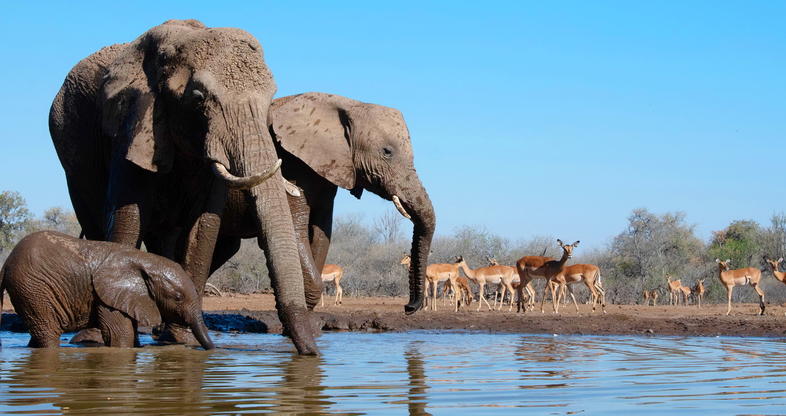
Wildlife is abundant. Tuli has one of Botswana’s highest concentrations of elephants — herds of 100+ are common. Lions, leopards, cheetah, wild dogs, giraffe, and over 350 bird species are resident. Game viewing is best May to October during the dry season when animals congregate at waterholes.
What sets Tuli apart is variety. You can track rhino on foot with armed guides, do horseback safaris through mopane forest, or night drives to spot aardvark and civet. The rock art at Mashatu, over 3,000 years old, adds a cultural layer most reserves lack.
Lodges are small and high-end: Mashatu, Tuli Safari Lodge, and a few owner-run camps. Most include conservation fees that fund anti-poaching units. Rates start around $450 per person per night, all-inclusive.
Access is easier than expected. A 90-minute flight from Johannesburg to Pontdrift, then a 45-minute drive to the reserve. No charter plane required like the Delta.
For travelers in 2026 looking for authentic safari without the tourist traffic, Tuli offers space, wildlife, and geology that photographers love. Sunset over the sandstone cliffs with elephants below — it’s the Botswana postcard without the crowd.
Tip: Book 6 months ahead for July-August. And bring binoculars. The birds alone are worth the trip.
Email Us on editorial@nnafrica.com