


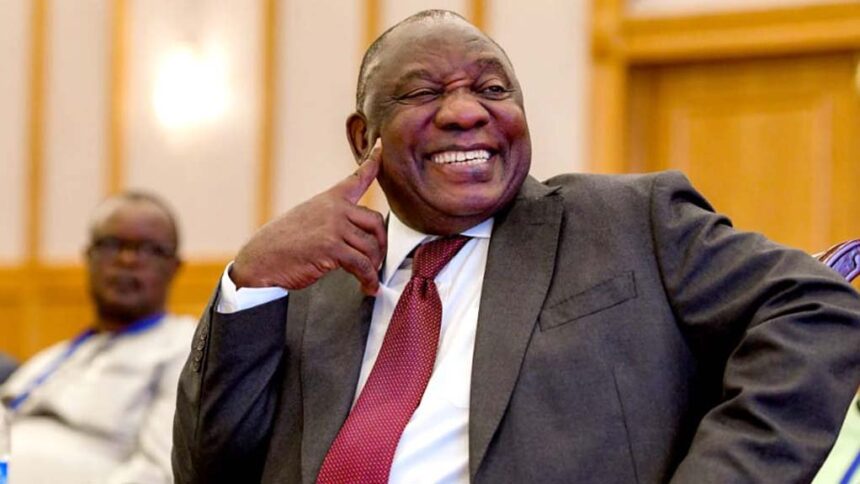
For years, South African President Cyril Ramaphosa built his reputation as the leader who would restore trust in government and fight corruption. Today, however, he finds himself at the center of one of the most controversial political scandals in modern South African history — the Phala Phala scandal.
What began as a mysterious robbery at a private game farm has evolved into a national debate about accountability, transparency, and the rule of law.
What Happened at Phala Phala?
The controversy dates back to February 2020 when thieves broke into Ramaphosa’s private Phala Phala game farm in Limpopo Province. The burglars allegedly stole a large amount of foreign currency that had been hidden inside furniture on the property.
While initial allegations claimed that millions of dollars had been stolen, Ramaphosa later stated that approximately $580,000 was taken and that the money came from the sale of buffalo to a foreign buyer. The revelation that such a large amount of cash was being stored on a private farm immediately raised questions among opposition politicians and the public.
Why Is the Scandal So Serious?
The scandal is not simply about a robbery.
Critics have questioned why such a large amount of money was allegedly kept at the farm instead of being deposited in a bank. Others have demanded answers about whether the funds were properly declared and whether authorities were informed appropriately after the theft occurred.
Opposition parties have accused the president of attempting to conceal details surrounding the incident. Ramaphosa has repeatedly denied any wrongdoing and maintains that the funds were legitimate proceeds from a business transaction.
The Constitutional Court Reopens the Case
The controversy appeared to be fading after South Africa’s Parliament blocked impeachment proceedings in 2022.
However, in May 2026, South Africa’s Constitutional Court ruled that Parliament had acted improperly when it stopped the impeachment process. The court’s decision revived calls for a formal inquiry and reopened one of the country’s most politically explosive cases.
The ruling does not mean Ramaphosa is guilty of any crime. Instead, it means lawmakers must revisit whether sufficient grounds exist for further investigation.
Ramaphosa Refuses to Step Down
Despite growing political pressure, Ramaphosa has made it clear that he has no intention of resigning.
The president argues that allegations against him remain unproven and that he will challenge findings he believes are flawed. He has also pledged to cooperate with constitutional processes while defending his innocence.
Meanwhile, senior figures within the ruling African National Congress (ANC) have publicly backed him, signaling that he still enjoys significant support within the party.
A Test for South African Democracy
The Phala Phala scandal has become bigger than one man.
For supporters of the president, the case is being used by political opponents to weaken a leader who has pushed anti-corruption reforms.
For critics, the scandal represents a test of whether powerful leaders can be held accountable under the same laws as ordinary citizens.
Regardless of the final outcome, the controversy has already damaged Ramaphosa’s image as a clean-government reformer and continues to dominate South Africa’s political landscape.
What Happens Next?
A parliamentary process is expected to examine the matter further following the Constitutional Court ruling. Political analysts believe the process could take months and may become one of the defining political battles ahead of South Africa’s future elections.
For now, the questions surrounding the cash hidden at Phala Phala remain unanswered in the minds of many South Africans.
And until those questions are fully resolved, the scandal is unlikely to disappear from the headlines.
Email Us on editorial@nnafrica.com